
The everyday rhythm of life with Apple devices often begins and ends with power. From the iPhone that wakes us to the MacBook that closes out the day’s work, our quiet dependence on these tools has fostered an intricate tapestry of charging habits. These are not grand gestures but a series of almost unconscious routines: the gentle placement of an iPad on a nightstand, the reflexive search for a USB-C port, the almost imperceptible hum of power flowing. In this ecosystem, even the smallest advancements in charging technology can subtly recalibrate these deeply ingrained behaviors, often before we even fully acknowledge the change.
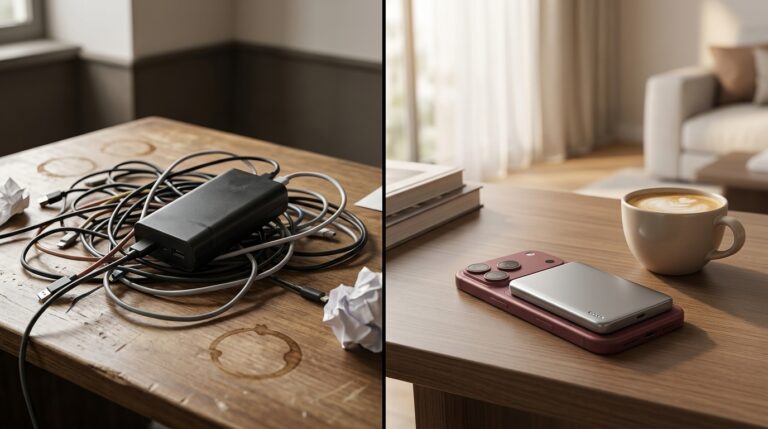
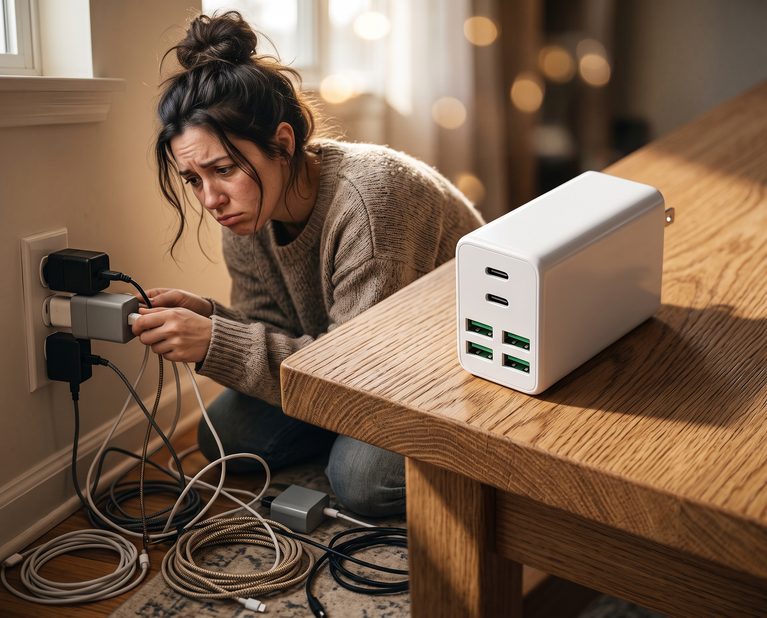
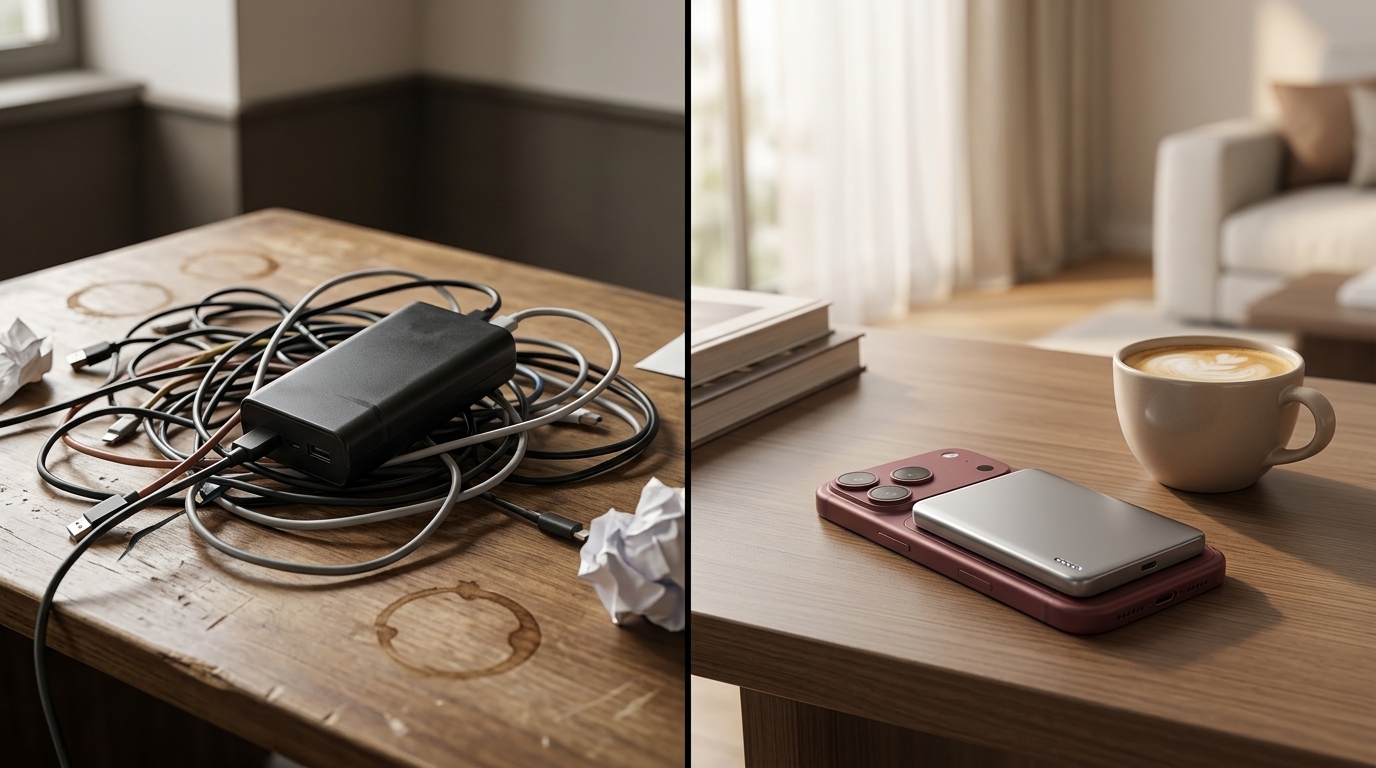
For many, the desk or bedside table is a miniature power hub, a nexus of glowing screens and coiled cables. An iPhone sits patiently alongside an Apple Watch, perhaps an iPad Pro and a MacBook Air vying for the nearest outlet. This quiet assembly line of devices creates a low-level friction point: the decision of which device receives priority, the hunt for the right adapter, or the subtle anxiety of a dwindling battery percentage on a critical tool. These small, recurring inconveniences, while rarely articulated, shape our daily interactions with technology more than we realize.
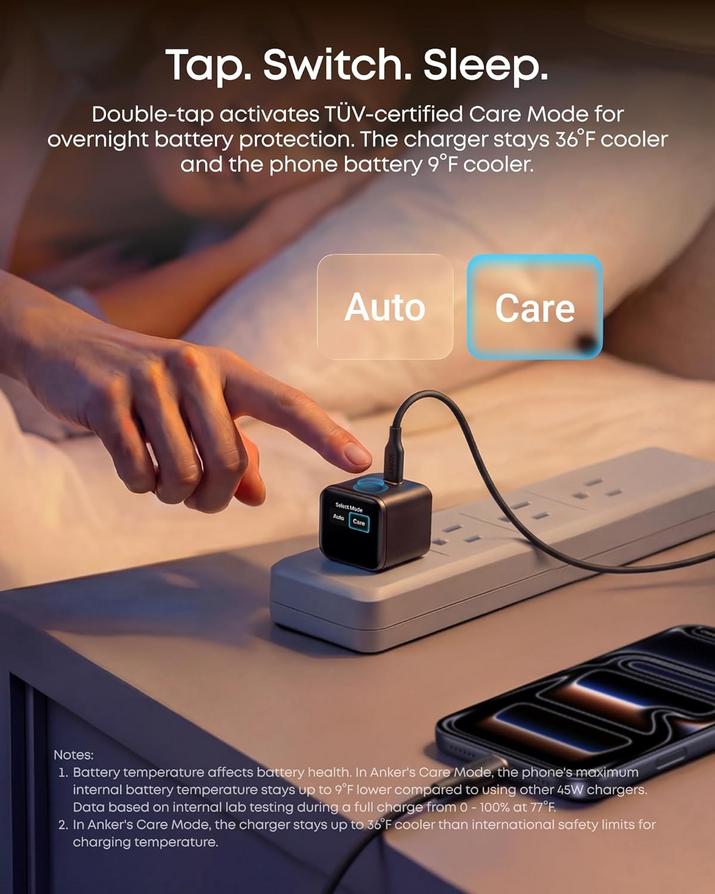
Historically, charging was a blind process. One plugged in, and a tiny icon confirmed activity. Yet, an underlying curiosity, a desire for reassurance, often lingered. How quickly is it charging? Is it optimal? The emergence of smarter power delivery tools introduces a new layer of transparency, offering a subtle visual dialogue about power flow. This small informational window, often embedded directly into the charging brick, quietly alleviates some of that unspoken battery anxiety, transforming a passive waiting game into a subtly informed routine.
Consider the precise physical act of tidying a desk at the end of a long day, or organizing a travel bag for the morning flight. There’s a quiet satisfaction in the deliberate placement of an iPhone onto its charging pad, or the soft click of a USB-C cable finding its home in a MacBook Pro. It’s in these moments that the tactile experience of power delivery becomes most real. A quick, almost involuntary glance confirms the visible indication of power surging into the device, offering a small, reaffirming moment before disconnecting or stepping away. This small feedback loop becomes an integral, if unnoticed, part of the daily workflow.
The shift in power delivery capabilities also quietly alters how we approach portability. The era of carrying multiple, distinct power bricks for each Apple device — one for the iPhone, another for the iPad, a larger one for the MacBook — feels increasingly archaic. Modern solutions allow for a singular, compact unit to service an entire suite of devices. This isn’t merely about less bulk; it’s about a mental streamlining, a quiet confidence that a single accessory can sustain the full breadth of one’s Apple ecosystem, whether commuting across town or traveling across continents. The adjustment in backpack organization or carry-on routine becomes second nature.
Ultimately, effective charging solutions recede into the background, becoming an invisible part of our technological habits. They cease to be a conscious consideration and instead normalize into the quiet hum of an efficient workflow. The mental burden of managing battery life or sourcing power outlets diminishes, allowing for an uninterrupted focus on the tasks at hand, powered by the unseen infrastructure. This subtle normalization allows us to simply use our Apple devices, rather than constantly managing their power needs, fostering a deeper, quieter dependence.
These evolving interactions underscore a fundamental aspect of technology: it isn’t just about the product itself, but how it subtly reshapes our daily gestures, our expectations, and our peace of mind. The constant refinement of power accessories, often responding to unspoken behavioral needs, continues to integrate more deeply into our routines. Recent listings reflect reductions compared with earlier availability, making these adaptive tools more accessible to a wider array of Apple users navigating their everyday technological landscape.
This product has recently appeared more often in conversations around portable Apple setups and everyday charging routines.
Check current availability here
Does this type of charger work with all Apple devices?
Generally, universal USB-C chargers are compatible with modern Apple devices that feature a USB-C port, including recent iPhones, iPads, and MacBooks. Older devices relying on Lightning or proprietary connectors would require appropriate cables.
How does a charging display influence daily charging habits?
A charging display provides immediate visual feedback on power delivery, which can reduce battery anxiety and help users understand the efficiency of their charging setup for various Apple devices, subtly integrating into their routine.
Can a single charger support both an iPhone and a MacBook?
Yes, many contemporary USB-C power adapters are designed to deliver varying wattages, making them capable of efficiently charging both smaller devices like an iPhone and larger ones like a MacBook, often adjusting output based on the connected device’s needs.
Is this kind of compact charger suitable for travel with multiple Apple devices?
Compact, high-wattage USB-C chargers are particularly well-suited for travel. They minimize the number of power bricks needed, consolidating charging capabilities for an iPhone, iPad, AirPods, and even a MacBook into a single, portable unit.
Verdict
The subtle evolution of charging accessories reflects an ongoing adaptation to our quiet reliance on Apple devices. What once seemed a mere utilitarian object now subtly shapes our daily rituals, from managing desk clutter to ensuring power on the go. This shift towards more informed and efficient power delivery speaks to a collective move beyond basic functionality, embracing tools that integrate almost invisibly into the unspoken routines of our connected lives, transforming minor inconveniences into quiet assurances.
"Note: Readers like you help support The Apple Tech. We may receive a affiliate commission when you purchase products mentioned on our website."