

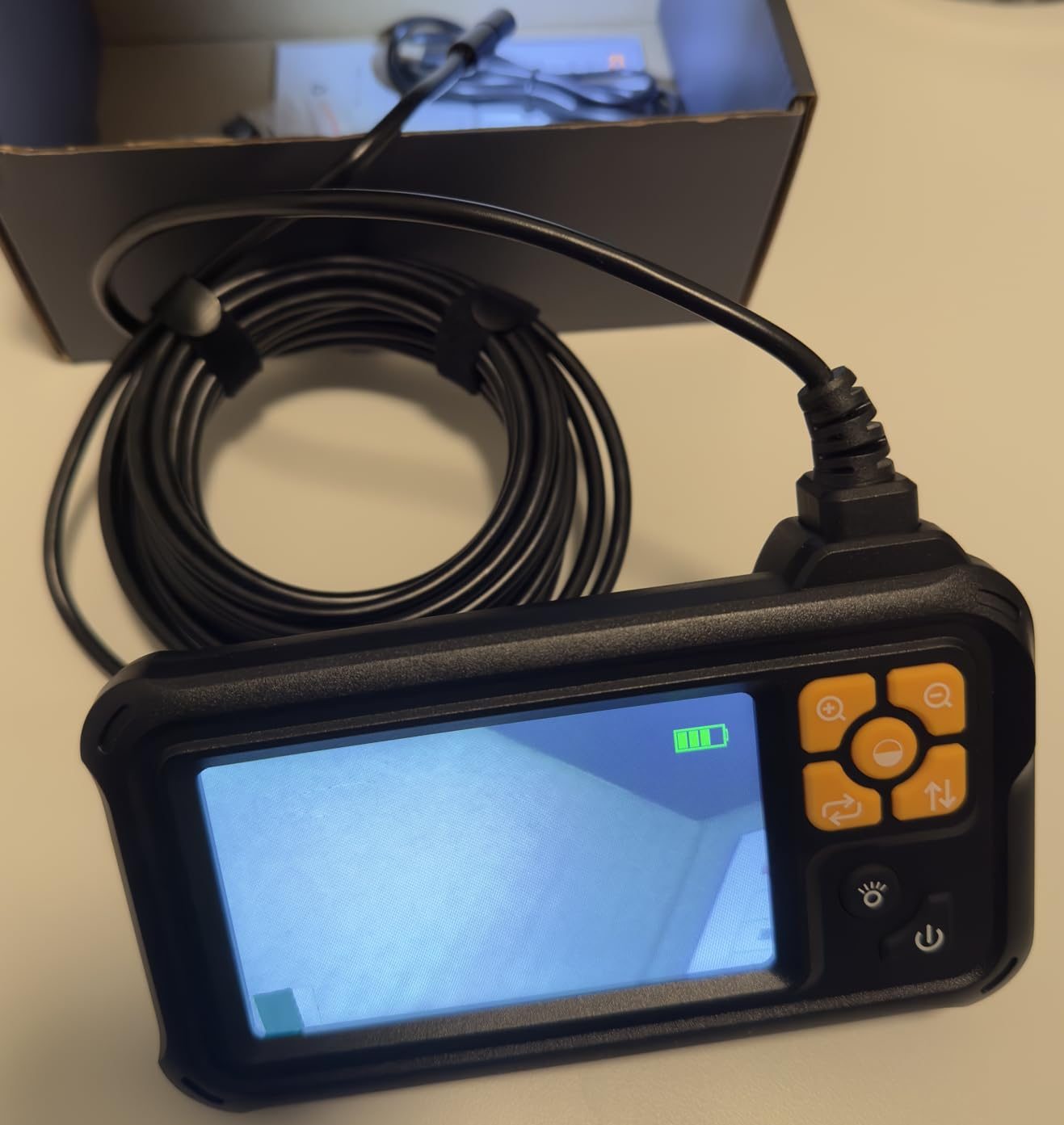
A specific category of hardware peripherals has gained traction among iOS users who’ve discovered their devices can serve functions Apple never designed them for.
Most people don’t think of their iPad as inspection equipment, but a quiet pattern has developed where the tablet becomes the display interface for tasks that used to require calling a specialist. The catalyst is a category of flexible camera attachments that connect through the Lightning or USB-C port and snake into spaces human eyes can’t reach—inside walls, under appliances, into engine compartments.
This shift happened gradually as home repair culture changed during periods when getting a contractor meant waiting weeks and paying diagnostic fees just for someone to look at a problem. People started attempting their own assessments. A leak behind a washing machine. A mysterious noise in an air duct. A dropped ring behind a bathroom vanity. Previously these situations required either destructive investigation or professional help.
The iPad’s screen size is what makes this work. An iPhone can technically display the same camera feed, but troubleshooting in a cramped space while holding a phone and maneuvering a cable becomes physically awkward. The tablet can rest on a nearby surface, showing a clear image while your hands manage the camera probe. It’s a use case Apple’s hardware enables accidentally rather than intentionally.
What’s interesting is how this democratized a certain kind of knowledge. You can inspect your own plumbing before cutting into drywall. You can see if something fell into an unreachable gap before disassembling furniture. The information gap between “I think there’s a problem” and “here’s exactly what the problem is” narrowed substantially. That changes the calculation around DIY repairs versus calling professionals.
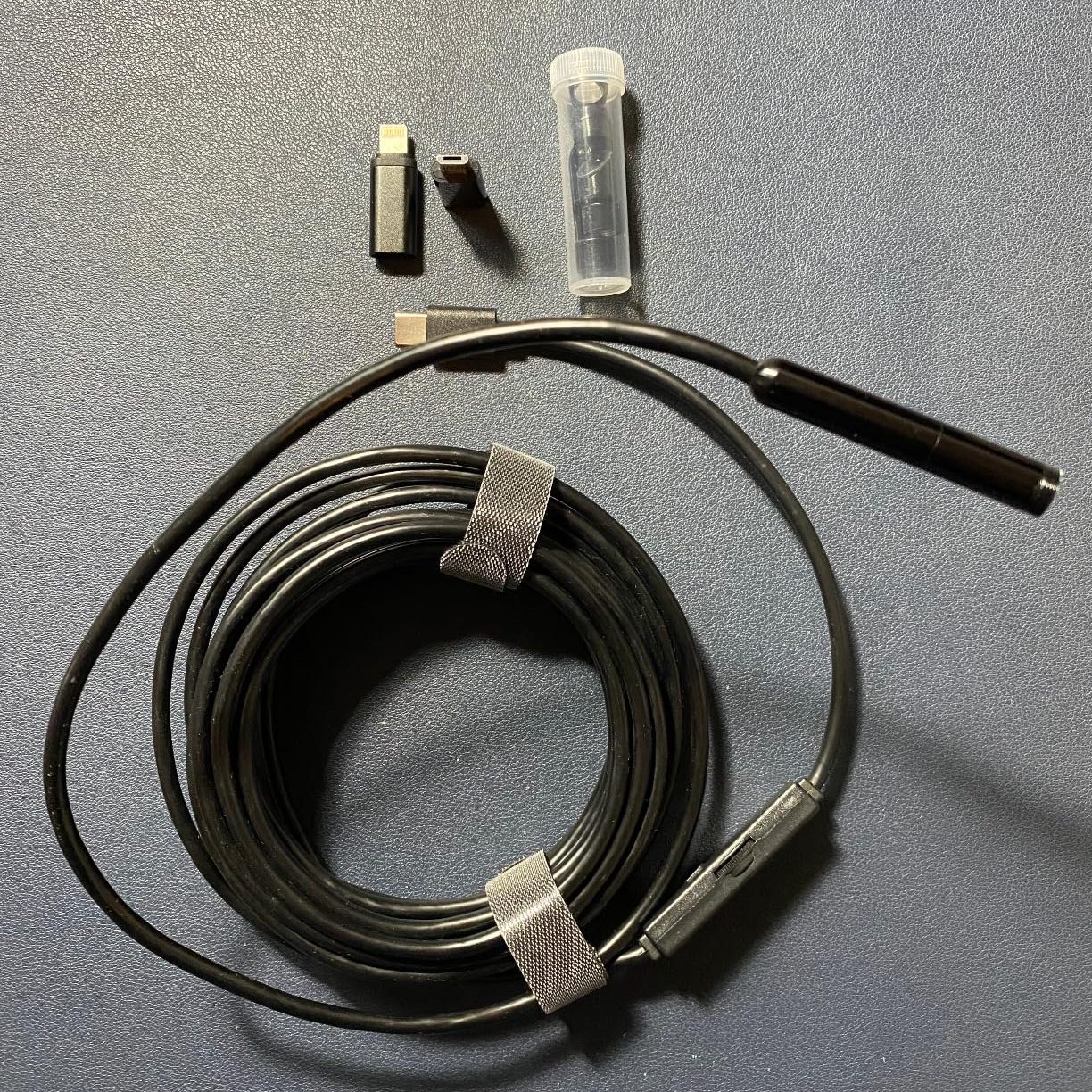
This also intersects with how iOS users have adapted their devices for niche applications far outside Apple’s intended ecosystem. The tablet wasn’t designed as industrial equipment, but its combination of portability, screen quality, and standardized ports made it suitable for exactly that. The peripheral market responded faster than Apple could have.
There’s a practical threshold to this behavior, though. People use their iPads for inspection, but they’re not rewiring their houses or doing serious mechanical work based solely on what they see through a camera. It’s diagnostic, not definitive. The device closes an information gap but doesn’t replace expertise.
The broader pattern is iOS devices becoming Swiss Army tools through peripheral attachments that expand their function into territories Apple never markets. The ecosystem’s utility grows sideways through third-party innovation rather than top-down design choices.
Previously listed at $20.93, flexible camera attachments compatible with USB-C and Lightning ports current listings hover around $11.51(CODE 45E73E95).
"Note: Readers like you help support The Apple Tech. We may receive a affiliate commission when you purchase products mentioned on our website."






