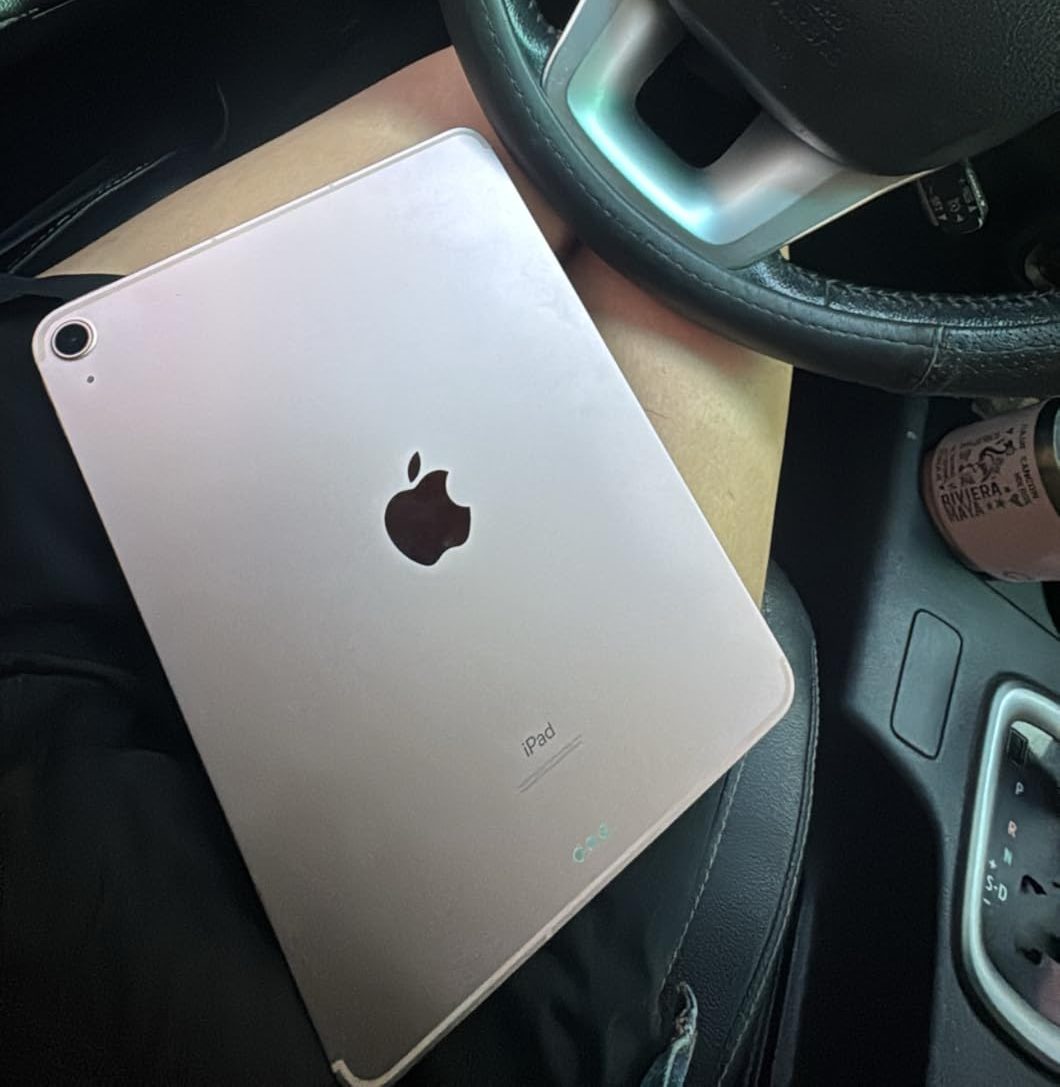
The urge to upgrade doesn’t hit iPad the way it does iPhone. Users are keeping older iPad models for years, and the refurbished market is reflecting that behavioral pattern. A fourth-generation iPad Air, released in 2020, is still being actively purchased in 2026—not as a stopgap, but as a deliberate choice.
This longevity isn’t accidental. iPad workflows haven’t changed dramatically in the past few years. Reading, note-taking, video watching, light web browsing—these tasks don’t demand bleeding-edge hardware. The result is a user base that’s less interested in annual upgrades and more interested in finding a model that works well enough and then holding onto it.
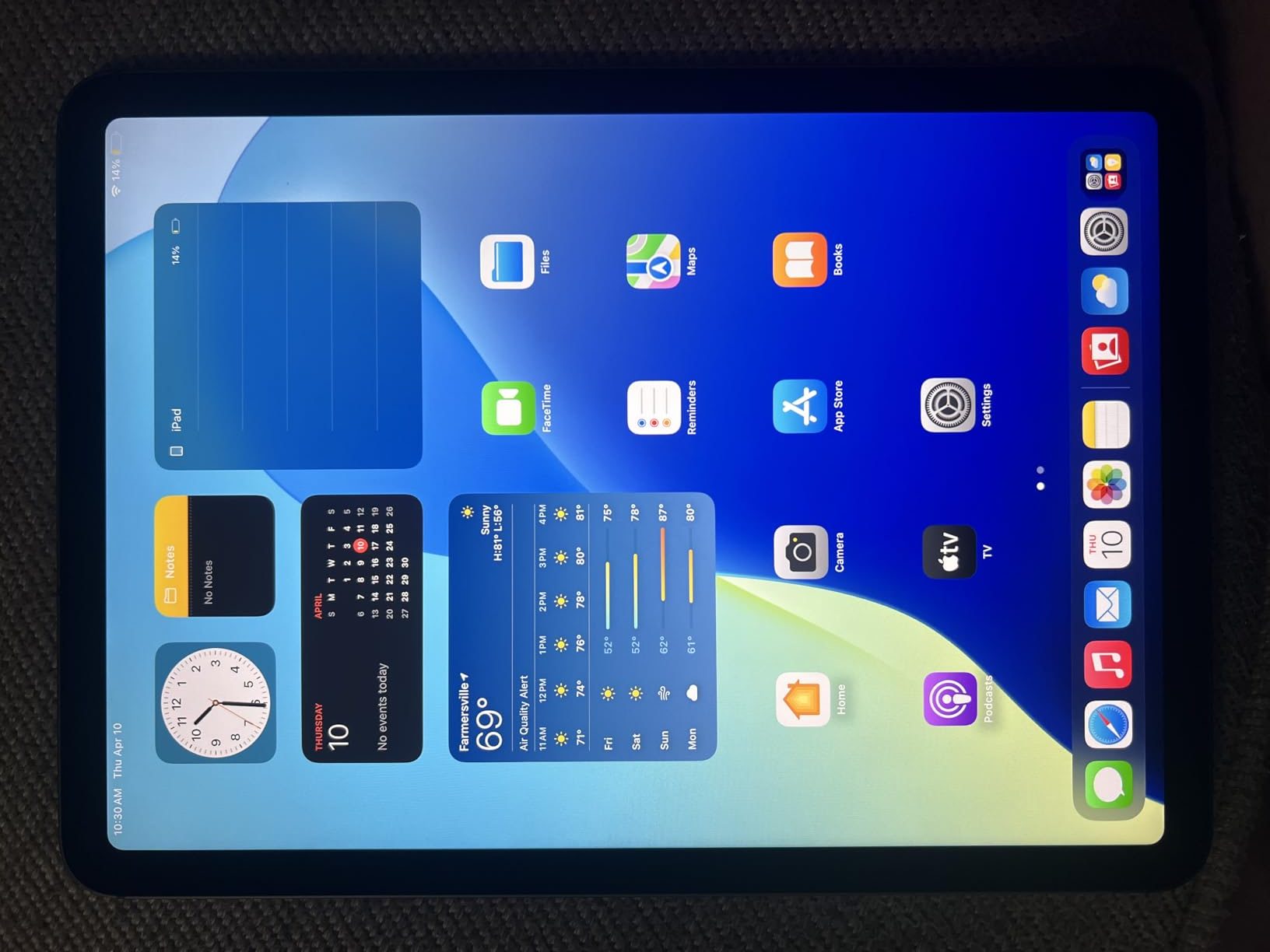
The refurbished market has absorbed this behavior. Certified pre-owned iPad models are being positioned not as budget alternatives, but as smart ecosystem entries for people who don’t need the latest display technology or processor speeds. The value proposition isn’t about saving money—it’s about avoiding waste and unnecessary iteration.
Apple ecosystem integration is strong enough now that older iPads still feel current. Handoff works, Sidecar functions, iCloud syncs without friction. As long as software updates continue, the hardware feels relevant. That relevance is extending device lifecycles in ways that weren’t common five years ago.
SIMILAR
iPhone and MacBook users are compensating for a port problem Apple created
iPhone users are eliminating the tangled cable from every car charging session
iPhone users are transforming nightstands into silent charging infrastructure
There’s a quiet tension emerging around iPad’s role in Apple’s lineup. If users are keeping devices longer, and refurbished models are meeting demand, what happens to the pressure to upgrade? Apple benefits from ecosystem loyalty, but that loyalty is increasingly decoupled from hardware refresh cycles. iPad is the clearest example of this shift.
Cellular models are holding value longer than WiFi-only versions. The ability to connect anywhere without tethering to iPhone is being described as a dealbreaker feature, even on older hardware. Users who initially opted for WiFi models are now seeking out cellular upgrades when they replace devices, even if those devices are several generations old.
What started as a supplement to iPhone has become a parallel device with its own behavioral lane. iPad isn’t competing with iPhone—it’s occupying the space between phone and laptop, and that space is proving to be remarkably stable. Users aren’t asking for more from iPad; they’re asking for iPad to keep doing what it already does well.
Previously listed around $345, refurbished pricing has adjusted to approximately $300.
"Note: Readers like you help support The Apple Tech. We may receive a affiliate commission when you purchase products mentioned on our website."