
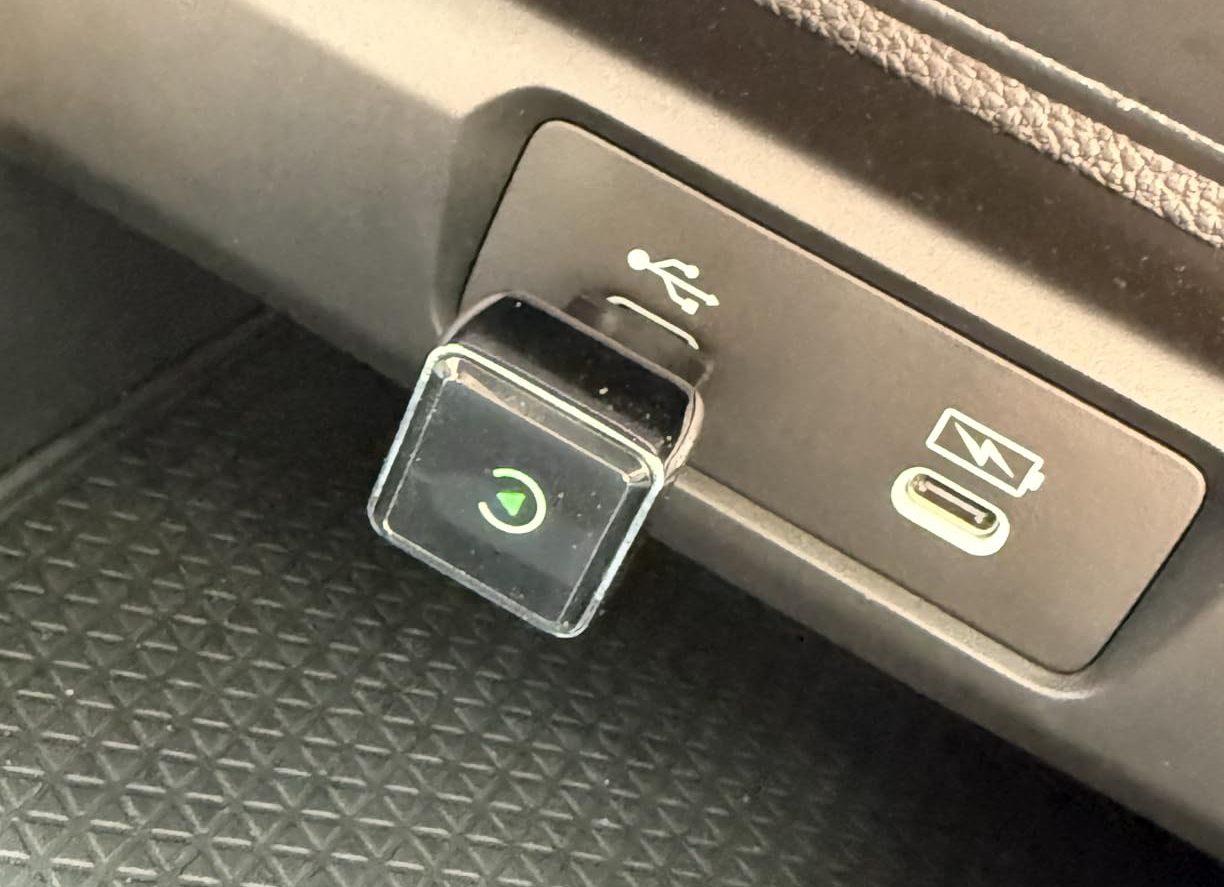
Plugging in iPhone to activate CarPlay used to be automatic. Drive, connect, navigate, listen, disconnect when parking. The cable was a physical tether, and that tether had an unintended side effect: it made forgetting your phone in the car much harder. Wireless CarPlay adapters are removing that tether, and users are describing a new friction point—leaving their devices behind.
The adapter solves a real problem. No more fumbling with cables, no more worn-out charging ports, no more incompatible connectors when switching between iPhones. CarPlay activates automatically when you enter the vehicle, and it disconnects when you leave. The experience is seamless, but the lack of a physical connection is creating behavioral gaps.
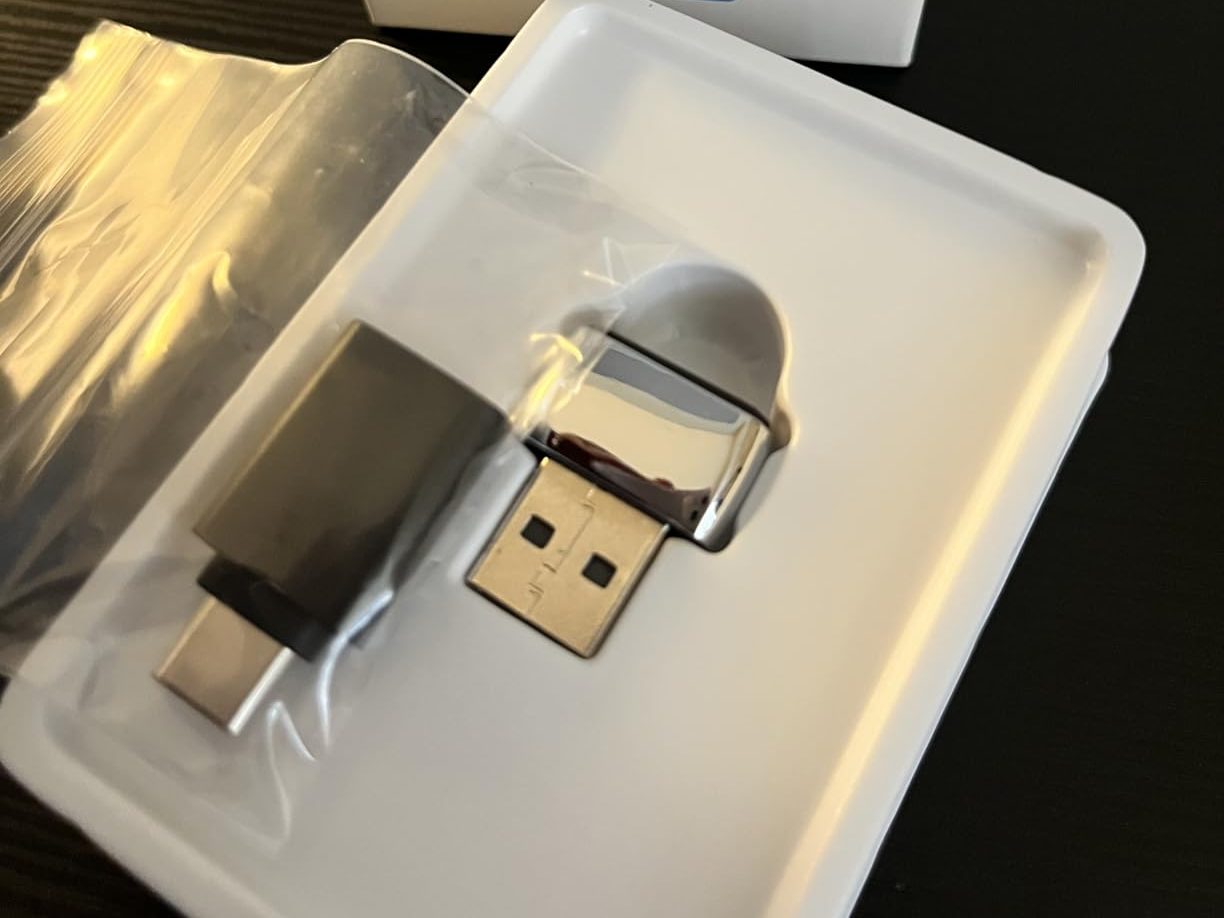
Users are reporting that they’re walking away from parked cars without their phones more frequently. The cable used to be a reminder—if the phone was plugged in, you had to physically disconnect it before leaving. Wireless CarPlay removes that step, and the phone stays in the cup holder, the center console, or the passenger seat. The autopilot routine that worked for years no longer includes a built-in checkpoint.
This isn’t unique to CarPlay adapters. It’s part of a broader shift toward wireless everything—charging, audio, connectivity. Each cable that disappears removes a physical interaction, and those interactions were functioning as behavioral cues. Without them, users are relying more heavily on memory and habit, and those are proving less reliable than the old friction-based system.
SIMILAR
iPhone and MacBook users are compensating for a port problem Apple created
iPhone users are eliminating the tangled cable from every car charging session
iPhone users are transforming nightstands into silent charging infrastructure
Apple ecosystem design is built around reducing friction, but this is a case where friction was useful. The cable was annoying, but it was also a safeguard. Wireless adapters deliver the convenience Apple has been pushing toward for years, but they also eliminate a backup mechanism that users didn’t realize they depended on.
There’s no easy fix. Bluetooth reminders exist, but they’re inconsistent. Some users are setting location-based alerts, while others are just accepting that they’ll occasionally leave their phones in the car. The adapter improves the in-car experience, but it introduces a trade-off that wasn’t part of the original pitch.
What started as an upgrade to CarPlay is revealing something deeper about wireless ecosystems. When every connection is automatic, the moments that force deliberate attention disappear. iPhone users are gaining convenience but losing the built-in reminders that came with physical connections. That trade-off is becoming more visible as wireless adapters become standard.
Previously listed around $50, current pricing has dropped to approximately $19(CODE 63US9GBN).
"Note: Readers like you help support The Apple Tech. We may receive a affiliate commission when you purchase products mentioned on our website."