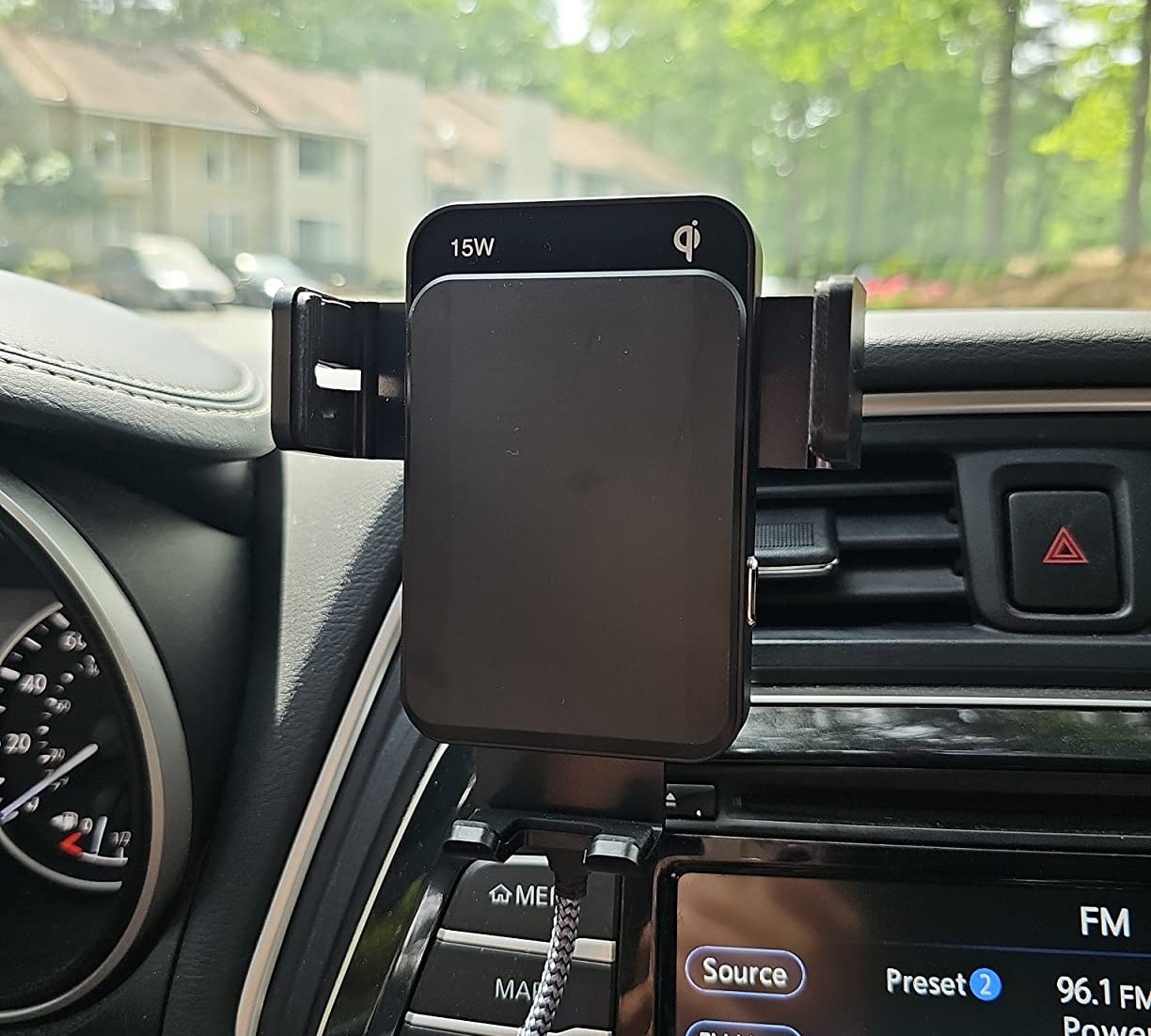
The pattern shows up in single-hand usage first. People placing an iPhone into a car mount while simultaneously adjusting climate controls or shifting gears no longer use both hands to secure the device. The mount grips automatically. The driver’s attention stays split for a shorter duration. The cognitive load during the transition from stationary to moving dropped.
What changed wasn’t mount reliability. Mechanical grips have worked well for years. What changed was confidence that the phone would lock into place without confirmation. The glance downward to verify the phone was seated correctly became optional. People started trusting the click sound instead of visual verification.
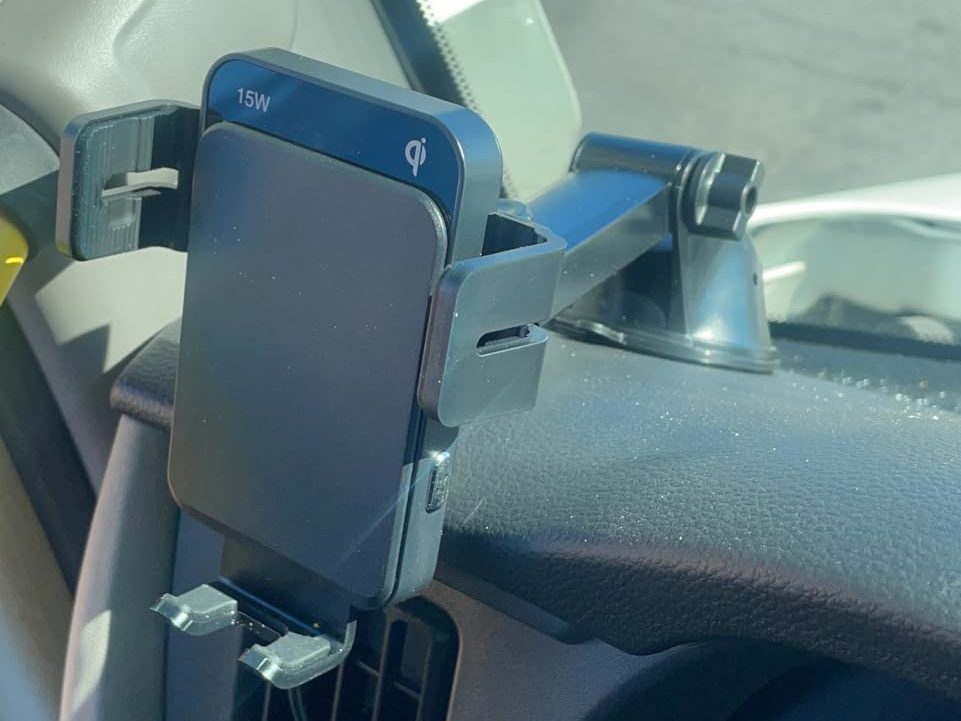
The behavior spreads to charging habits differently. Someone who used to carefully align an iPhone with a wireless charging pad now drops it into the mount without looking. The assumption became “it will find the charging coil” rather than “I need to position this precisely.” The success rate is high enough that the behavior stuck.
Apple ecosystem integration reinforces this quietly. CarPlay activation happens automatically when the iPhone connects, whether through cable or wireless charging. The mount became the trigger point for an entire interaction mode. Getting the phone positioned correctly stopped being about viewing angle alone—it became about initiating the full in-vehicle interface.
The friction that remains is about windshield versus dashboard placement. Someone mounting an iPhone on the windshield occasionally blocks sightlines during specific driving conditions. That moment—when afternoon sun glare combines with phone screen reflection—registers as a reminder that placement still matters. The adjustment happens less frequently but more deliberately.
SIMILAR
iPhone and MacBook users are compensating for a port problem Apple created
iPhone users are eliminating the tangled cable from every car charging session
iPhone users are transforming nightstands into silent charging infrastructure
What surfaced instead is a new kind of casualness around phone security. People who once worried about whether their iPhone would stay mounted during sharp turns now assume it will. That assumption holds true often enough that the anxiety faded. The mount became infrastructure rather than accessory.
Travel and rental car usage reflects a different tension. Someone accustomed to an automated mount at home finds manual mounts in rental vehicles suddenly frustrating. The expectation shifted. The temporary regression to two-handed placement feels like friction that shouldn’t exist anymore.
Previously listed around $29, current pricing for wireless charging car mounts with auto-clamping alignment and multi-position installation options now sits closer to $22.
"Note: Readers like you help support The Apple Tech. We may receive a affiliate commission when you purchase products mentioned on our website."