The pattern emerged in households with multiple vehicles. People who once unplugged a charging cable at the end of each drive and carried it inside began leaving it permanently mounted. The cable stayed coiled in the same spot. The iPhone connected automatically when someone sat down. The friction of remembering to bring the charger disappeared.
What changed wasn’t charging technology. Car power delivery has been stable for years. What changed was tolerance for the small disruption that happened when someone got into a different vehicle and found no cable waiting. That moment—reaching for a charging port and finding it empty—became the thing people wanted to eliminate.
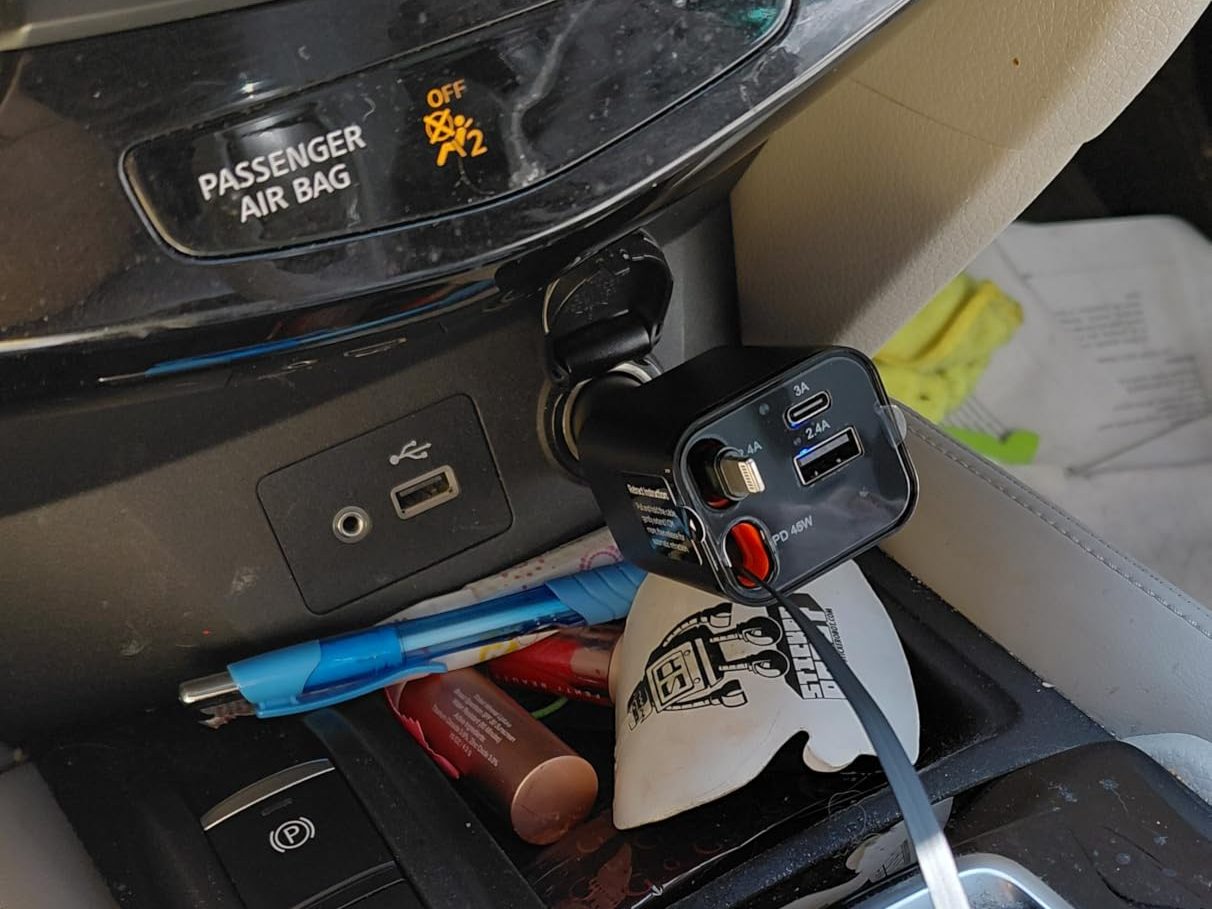
The behavior shows up most clearly in family car usage. A vehicle that gets driven by multiple people now keeps its own charging cable rather than relying on whoever used it last to leave one behind. The assumption shifted from “someone will remember to plug it in” to “it’s already there.” The coordination problem dissolved.
For single-vehicle households, the change looks different. People who used to carry one charging cable between home, car, and work now keep separate cables in each location. The iPhone charging became ambient rather than something that required planning. The mental load dropped.
SIMILAR
iPhone and MacBook users are compensating for a port problem Apple created
iPhone users are eliminating the tangled cable from every car charging session
iPhone users are transforming nightstands into silent charging infrastructure
Apple ecosystem design plays a quiet role here. CarPlay integration means the iPhone connects automatically when plugged in, making the charging cable also the interface cable. The dependency became dual-purpose. Leaving the cable in the car stopped being about power alone—it became about preserving the connection routine.
The tension that remains is about cable length and placement. Someone who mounts their iPhone on the dashboard occasionally discovers the cable doesn’t quite reach. That moment—when the phone needs to stay plugged in but the cable pulls tight—registers as mild annoyance rather than systemic failure. The workaround usually involves repositioning the mount.
What hasn’t changed is the outlet problem. Older vehicles with limited USB ports still create friction when multiple passengers need charging access. But the shift from “I need to remember my cable” to “the cable lives here” made that particular anxiety less frequent.
Previously listed around $24, current pricing for retractable dual-port car chargers with USB-C fast charging capability now appears in the low twenties.
"Note: Readers like you help support The Apple Tech. We may receive a affiliate commission when you purchase products mentioned on our website."