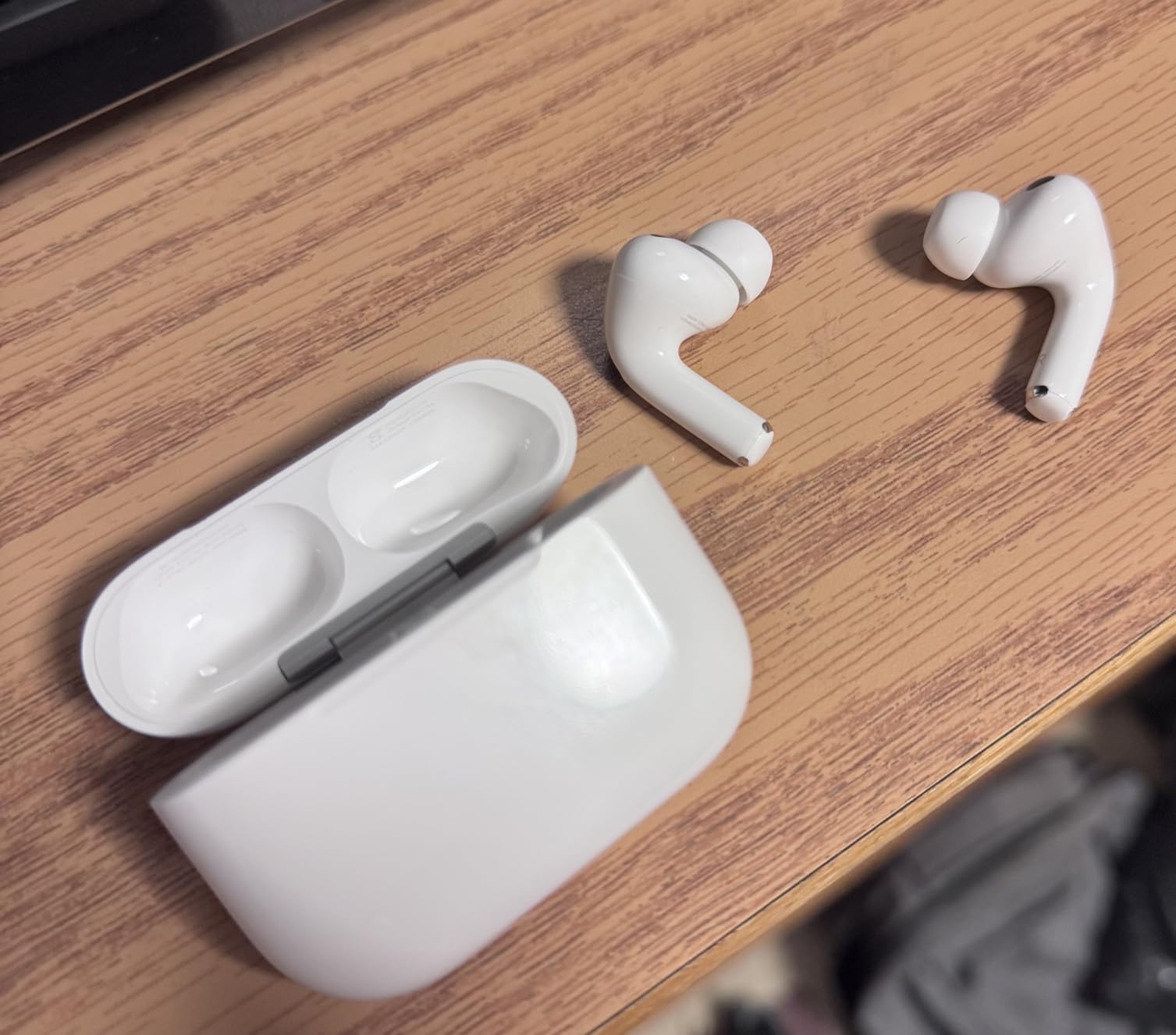
A growing subset of wireless earbud owners now toggle between entertainment modes and clinical-grade hearing tools within the same device, creating friction in how people perceive everyday audio gear.
The ritual of connecting wireless earbuds to an iPhone has remained largely unchanged for years—until recently, when certain models began embedding features that feel less like entertainment upgrades and more like clinical interventions. Users report a quiet dissonance: reaching for audio gear to stream a podcast, only to encounter prompts about hearing health assessments or heart rate monitoring. The shift isn’t purely technological. It’s behavioral.
This collision between leisure and wellness creates a peculiar kind of friction. People who purchased earbuds for music playback now find themselves confronted with data about their cardiovascular rhythms or auditory thresholds. Some embrace it. Others feel surveilled by their own accessories. The psychological weight of carrying a device that passively monitors health metrics—whether or not you engage with them—alters the relationship between user and product.
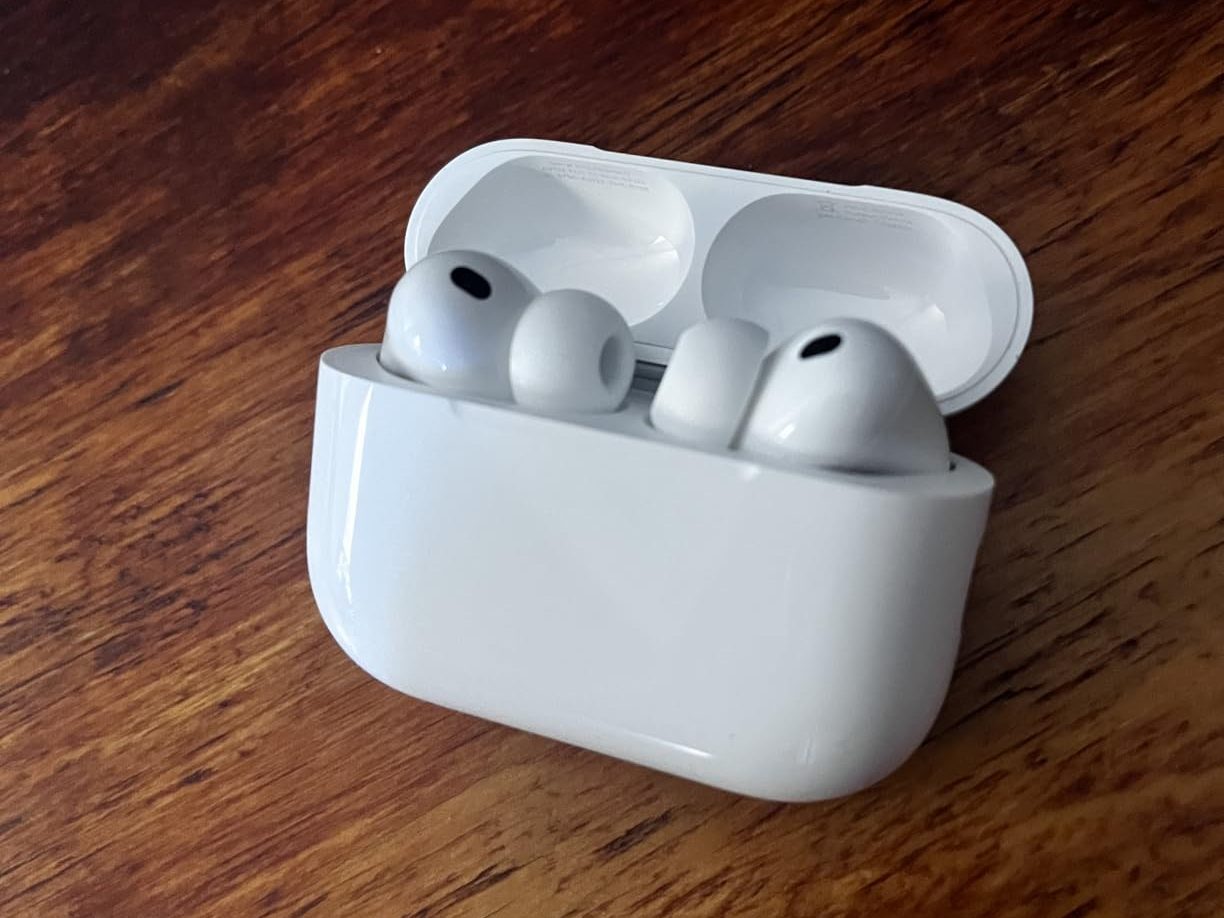
Live translation features add another layer of complexity. What once required a separate app or clumsy workarounds now happens automatically, embedded in the audio stream itself. For travelers or multilingual households, this feels seamless. For others, it’s another setting to manage, another permission to grant, another dimension of the Apple ecosystem asserting itself into daily routines.
The physical design hasn’t changed much—USB-C charging aside—but the conceptual burden has. Earbuds are no longer neutral conduits for sound. They’re nodes in a larger network of Apple services, each one nudging users toward deeper integration. Spatial audio feels immersive until you realize it requires specific content, specific devices, specific subscriptions. High-fidelity sound demands lossless files and compatible hardware. The promise of simplicity unravels into a web of dependencies.
Active noise cancellation, once a luxury feature, now feels essential. Commuters and remote workers have recalibrated their tolerance for ambient sound, creating an expectation that silence is just a tap away. But this expectation comes with trade-offs: battery anxiety, fit adjustments, the social awkwardness of signaling unavailability in shared spaces. The technology solves one problem while introducing half a dozen smaller ones.
SIMILAR
Apple Home users are managing smart outlets through competing voice assistants as HomeKit compatibility remains inconsistent
Why some Apple ecosystem users are quietly adding Windows machines to home offices
iPhone users are redesigning car charging setups as multiple devices compete for limited power during commutes
Hearing aid functionality represents the most striking shift. Regulatory approvals have allowed consumer audio devices to cross into medical territory, a move that democratizes access but also commodifies clinical care. Users who might never have sought a hearing assessment now receive one through their iPhone. Whether this is empowering or overreaching depends entirely on whom you ask.
The pricing landscape reflects this expanded role. Previously listed at $249, current listings hover around $199.99, a reduction that positions these devices as accessible wellness tools rather than premium audio exclusives. The market has recalibrated around the idea that earbuds aren’t just for listening anymore—they’re for monitoring, translating, and mediating the sensory world in ways that feel both futuristic and faintly intrusive.
"Note: Readers like you help support The Apple Tech. We may receive a affiliate commission when you purchase products mentioned on our website."