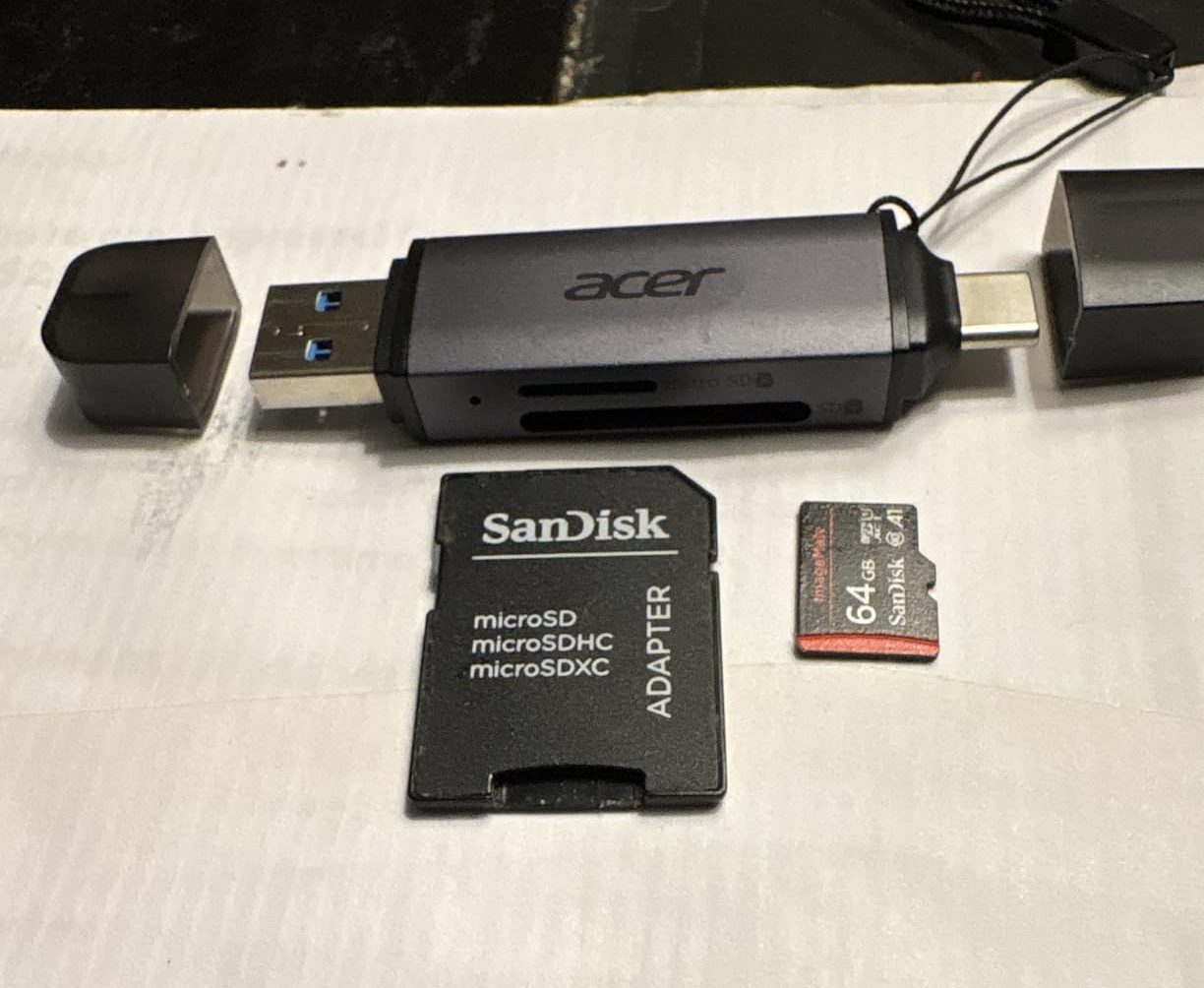
Content creators find themselves carrying adapters that feel like admissions of failure—acknowledgments that Apple’s vision of wireless everything doesn’t match production reality.
There’s a specific kind of resignation that settles in when you realize your iPad Pro needs a dongle to do what laptops have done natively for decades. Reading SD cards shouldn’t require an accessory, yet here we are, adding another piece of hardware to the bag, another failure point in the workflow. The promise of iPad as laptop replacement collides with the reality of photography, videography, and any profession that still relies on physical media.
Dual-slot functionality matters more than Apple seems to acknowledge. Photographers working in the field often shoot to two cards simultaneously for redundancy, then need to ingest both without swapping or interrupting the transfer. This isn’t edge-case behavior—it’s standard practice in professional imaging. The fact that third-party manufacturers address this need while Apple ignores it speaks volumes about whose workflows get prioritized in ecosystem design.
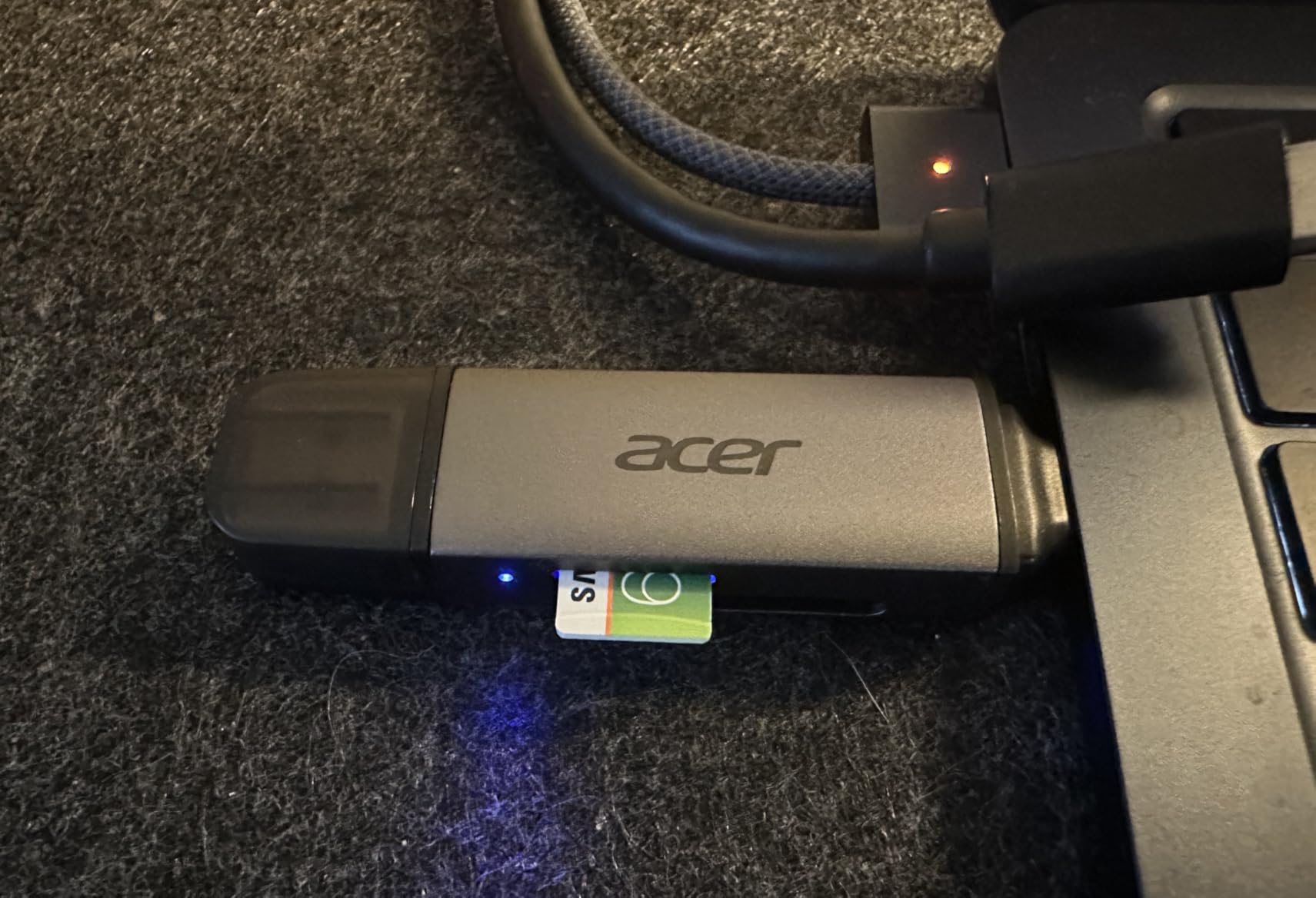
USB-C adoption was supposed to simplify everything, but it mostly shifted which adapters you need to carry. iPhone 16 and iPhone 15 users who upgraded expecting seamless media transfer find themselves shopping for the exact same kind of intermediary hardware they thought USB-C would eliminate. The connector changed; the dependency didn’t. Micro SD cards remain ubiquitous in action cameras, drones, and audio recorders, none of which care about Apple’s minimalist aesthetic choices.
The speed difference between USB 3.0 and older standards matters enormously when you’re moving 4K video files or high-resolution photo batches. A transfer that takes three minutes versus fifteen changes whether you can work efficiently on location or need to return to a full computer setup. MacBook Air and MacBook Pro users take this speed for granted, but iPad workflows still feel provisional, held back by accessories that weren’t quite designed for the loads they’re handling.
Compatibility becomes a moving target across device generations. An adapter purchased for last year’s iPad might work erratically with this year’s iPhone, or vice versa. The USB-C standard promised universality, but implementation varies enough that users report needing different adapters for different devices despite identical ports. The ecosystem fragmentation that Apple supposedly solved resurfaces in peculiar ways.
SIMILAR
Apple Home users are managing smart outlets through competing voice assistants as HomeKit compatibility remains inconsistent
Why some Apple ecosystem users are quietly adding Windows machines to home offices
iPhone users are redesigning car charging setups as multiple devices compete for limited power during commutes
Cross-platform needs drive much of this market. Android users and Apple loyalists both need to read SD cards, creating rare neutral ground in accessory design. But the marketing still skews toward reassuring iPhone and iPad owners that yes, this will work with your devices—a hedge against the legitimate concern that Apple’s ecosystem might reject third-party solutions through some invisible software gatekeeping.
Professional photographers and videographers have quietly developed parallel ecosystems of adapters, hubs, and dongles that travel alongside their Apple hardware. These shadow kits acknowledge that iOS devices, for all their power, remain hobbled by deliberate design choices that favor simplicity over capability. Previously listed at $12.99, current listings sit around $8.49(CODE 20215OFF), pricing that positions these adapters as necessary compromises rather than premium solutions—because that’s exactly what they are.
"Note: Readers like you help support The Apple Tech. We may receive a affiliate commission when you purchase products mentioned on our website."