


USB-C promised universality, and it delivered—mostly. A single charger can now power a MacBook, an iPhone, an iPad, and various accessories. One plug, multiple devices.
But wattage still matters. A charger rated for 67 watts can charge a MacBook Air at full speed, or it can charge an iPhone very quickly. When both need power simultaneously, the available wattage gets divided. Each device charges, but more slowly.
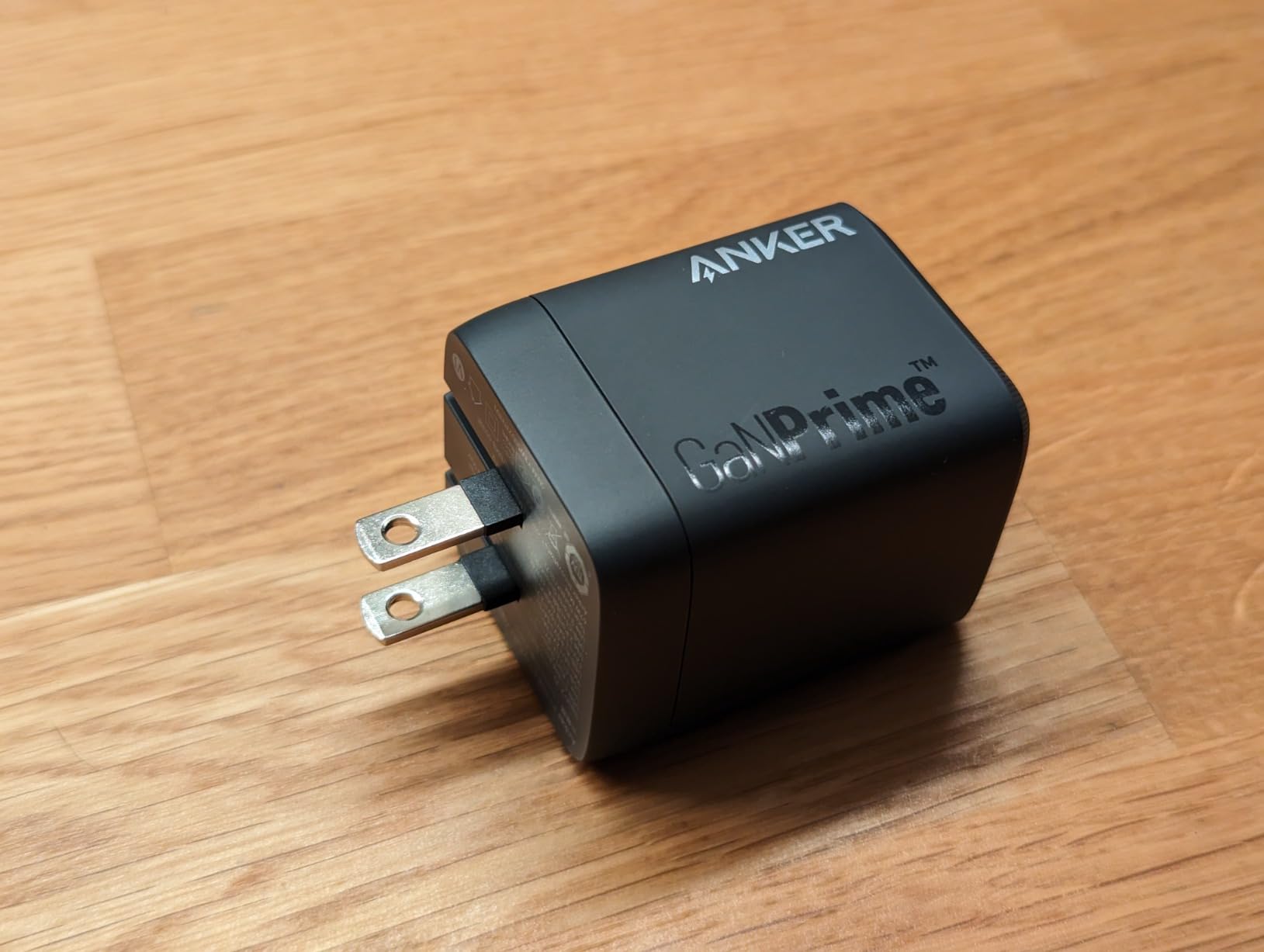
This creates a prioritization problem that didn’t exist when devices had dedicated chargers. If you plug in your MacBook and iPhone together overnight, which one finishes first depends on how the charger allocates power. Some chargers prioritize intelligently. Others just split the load.
For people who need both devices fully charged by morning, this becomes a minor logistical puzzle. Plug in the MacBook first because it takes longer. Or plug in the iPhone first because you’ll need it earlier in the day. Or plug them in sequentially—one device, then the other.
The behavior is revealing because it exposes a gap between Apple’s ecosystem vision and real-world use. In theory, everything should charge seamlessly and simultaneously. In practice, you’re still managing a queue.
Some MacBook users solve this by carrying multiple chargers—one for the laptop, one for everything else. But that reintroduces bulk and cable management, which defeats part of the USB-C consolidation promise. Others just accept slower charging and adjust their habits around it.
There’s also the question of which devices are actually in the rotation on a given night. MacBook and iPhone always. iPad sometimes. Apple Watch definitely. AirPods maybe. The number of devices can easily exceed the number of available ports, even on a multi-port charger.
What emerges is a charging hierarchy that users construct based on their own patterns. Some devices always get priority. Others charge when there’s space. It’s not a major problem, but it’s a persistent one—one that Apple’s elegant hardware design doesn’t fully address. Previously listed at $49.99, some multi-port options now sit near $34.99, though the affordability doesn’t eliminate the fundamental trade-off: faster charging requires either more chargers or more conscious scheduling.
"Note: Readers like you help support The Apple Tech. We may receive a affiliate commission when you purchase products mentioned on our website."






