
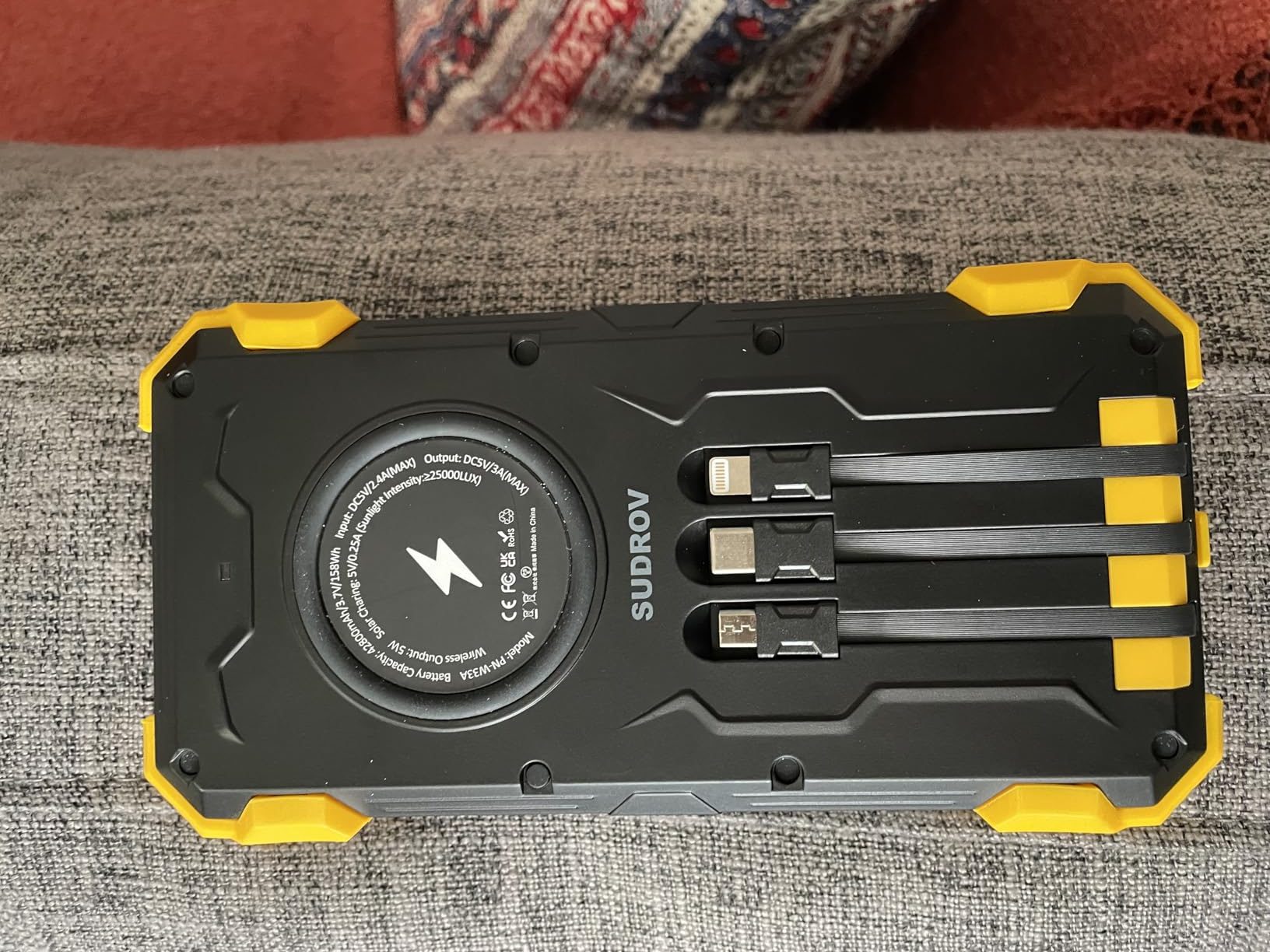
The promise of solar charging is compelling: infinite power as long as there’s sunlight. For people who use iPhones during camping trips, long hikes, or multi-day outdoor events, it sounds like the perfect solution. No outlets required.
The reality is more constrained. Small portable solar panels generate limited wattage—often just five to ten watts in ideal conditions. An iPhone charges fastest at around 20 watts. So even in perfect sun, solar charging is slow. Add clouds, shade, or suboptimal panel angle, and it becomes extremely slow.
This means solar charging isn’t really about topping off your iPhone during the day. It’s about getting enough charge over several hours to keep the phone minimally functional. Maybe 20% over an afternoon. Maybe 50% if you’re patient and the weather cooperates.
People who try solar charging quickly adjust their expectations. You’re not actively using the phone while it charges—that defeats the purpose. You’re leaving it in the sun, checking periodically, and hoping the weather holds. It’s passive and unpredictable.
What’s interesting is how many people keep trying despite the limitations. The appeal of off-grid power is strong enough that slow, unreliable charging still feels preferable to no charging at all. The solar panel becomes a hedge—it might not fully charge your iPhone, but it extends usability enough to matter in situations where there’s no alternative.
There’s also a psychological component. Carrying a solar panel signals preparedness. It’s a visible commitment to self-sufficiency, even if the practical benefit is marginal. For some users, that’s worth the weight and bulk.
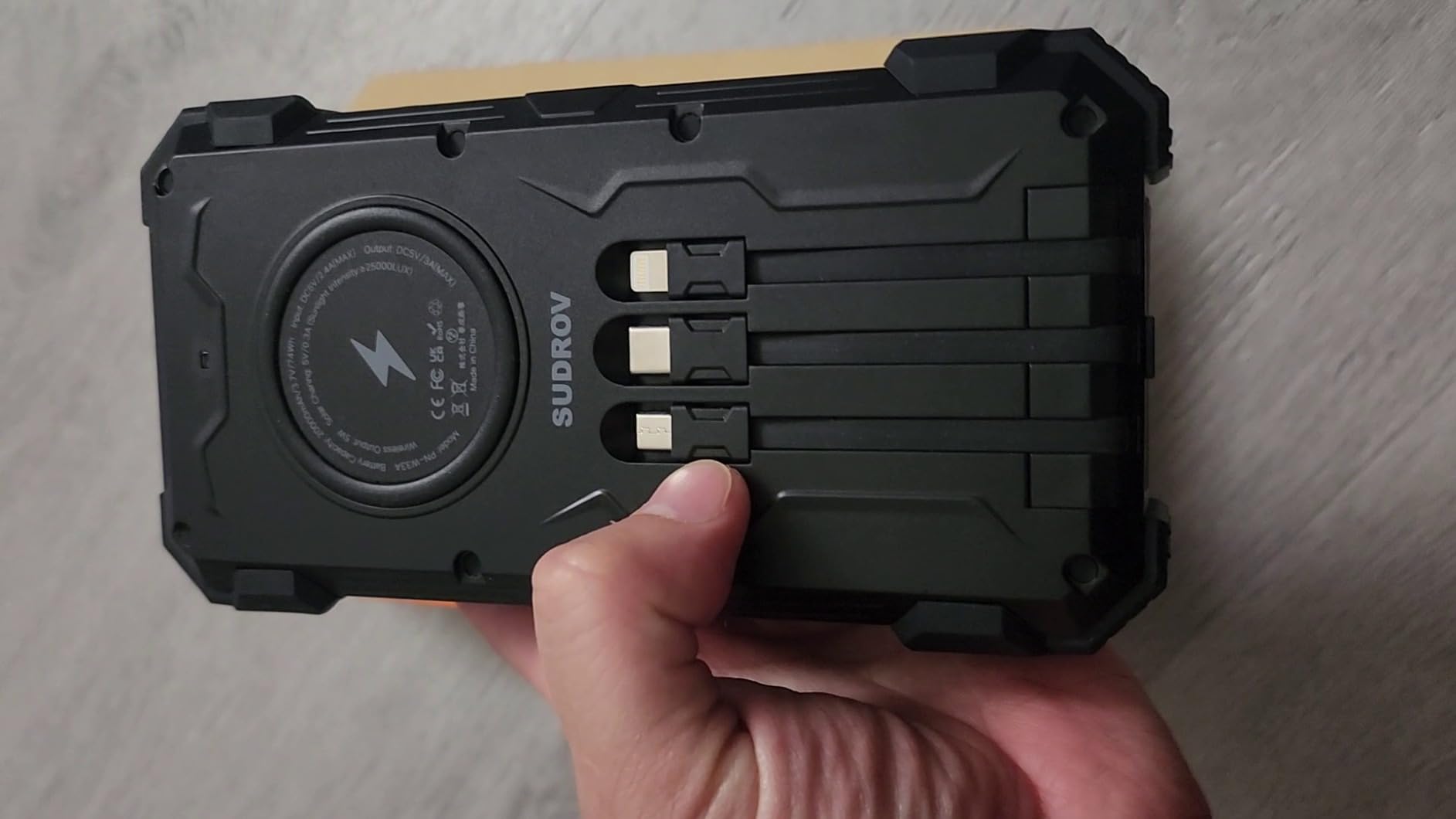
The built-in battery in many solar chargers helps smooth out the inconsistency. The panel slowly fills the battery over time, then the battery charges the iPhone more quickly when needed. This makes the system more useful, but it also means you’re carrying extra weight—the panel, the battery, the cables.
Previously listed at $31.43, some solar-equipped options now appear near $28.28, though the price isn’t the barrier—it’s the gap between the concept of solar charging and the lived experience of waiting hours for marginal results, which most iPhone users only fully understand after trying it themselves.
"Note: Readers like you help support The Apple Tech. We may receive a affiliate commission when you purchase products mentioned on our website."