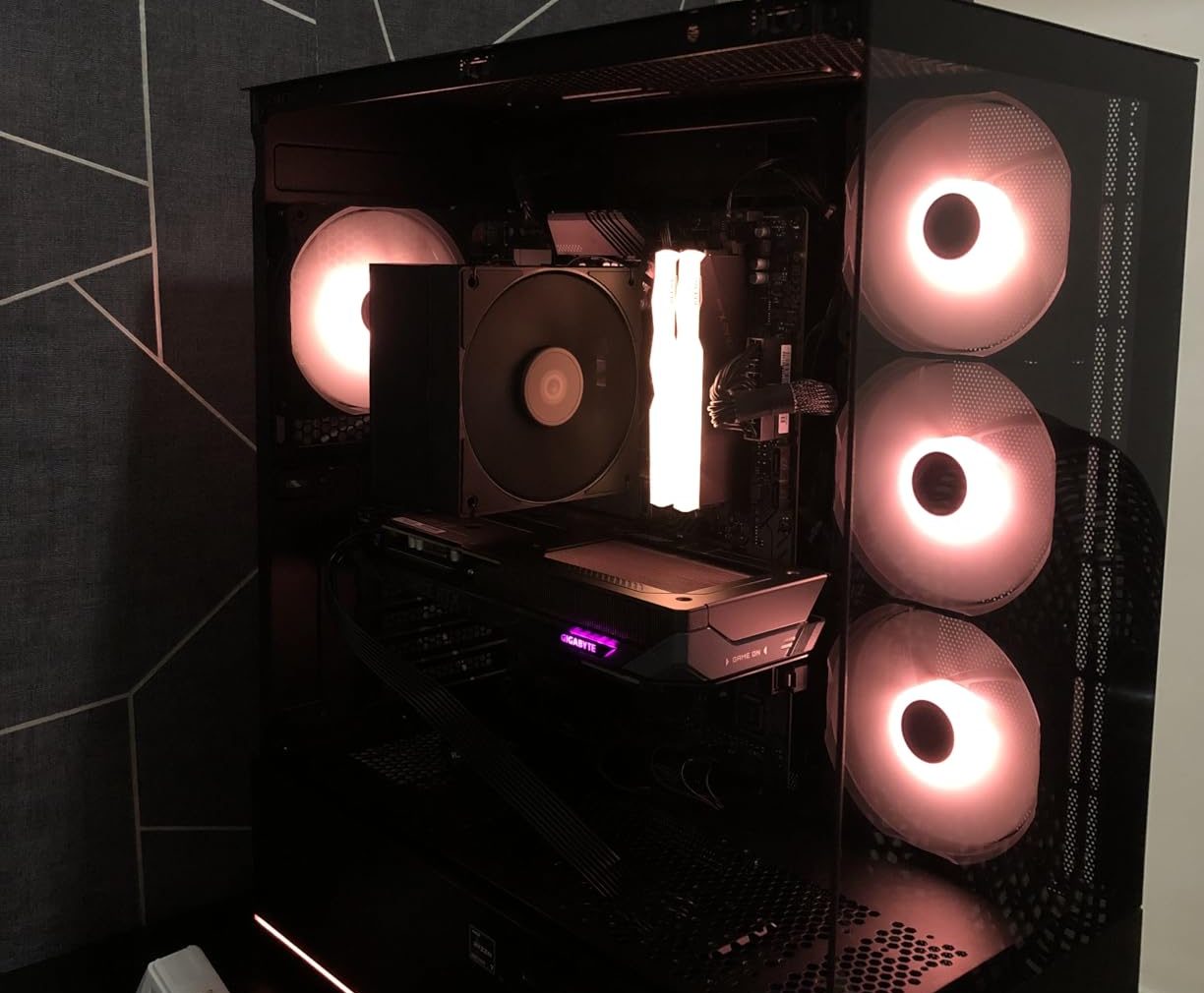
The standalone graphics card represents a philosophy Apple abandoned years ago: user-upgradeable internal components. Windows PCs still ship with modular designs that let people swap GPUs, add RAM, or replace storage drives. MacBooks and iMacs arrive as sealed units where the graphics processing happens on the same chip as the CPU, with no option to change it later. That divergence created two parallel computing worlds—one where you could improve graphical performance by opening the case and installing new hardware, and one where you lived with whatever Apple decided to include at purchase.
The Apple Silicon transition made that split more pronounced. The M-series chips integrated GPU cores directly onto the processor, which improved efficiency and reduced power consumption but eliminated any path to future graphics upgrades. Mac users who wanted better gaming performance had no hardware solution—they could only wait for the next generation of devices and replace the entire computer. Windows users could spend three hundred dollars on a new graphics card and extend their PC’s usable life by several years. The approaches weren’t just different, they were incompatible.
Gaming on Mac has always occupied an awkward position. The hardware is capable, but the software library is sparse. Major game studios prioritize Windows development, and many popular titles either arrive on Mac years late or never at all. The integrated graphics in Apple Silicon Macs perform well for the games that exist, but the ecosystem doesn’t support the kind of graphics-intensive gaming that requires discrete GPUs in the first place. The graphics card isn’t relevant to Mac users because the gaming culture that drives GPU upgrades barely exists on their platform.
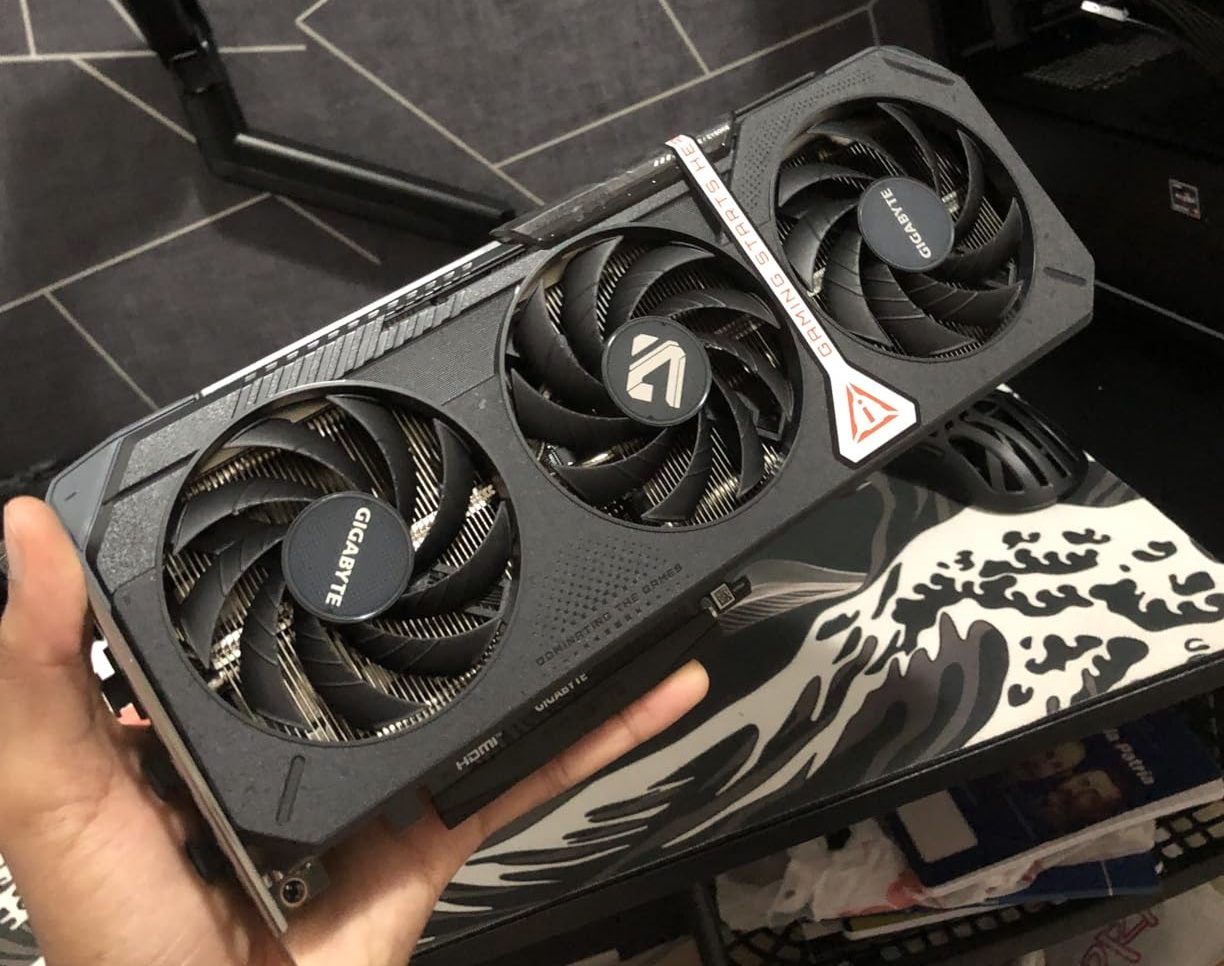
The GDDR7 memory specification and PCIe 5.0 interface represent the bleeding edge of graphics technology, improvements that matter primarily to people building high-performance gaming rigs or workstations for 3D rendering and video editing. But Final Cut Pro users on Macs handle 4K and 8K video editing using the integrated GPU on Apple Silicon, often with better thermal performance than Windows machines using discrete cards. The dedicated graphics card offers raw power, but Apple’s integrated approach offers efficiency and silence. Neither is objectively better—they serve different priorities.
The cooling system mentioned in the graphics card description—fans, heat sinks, thermal design—reflects a challenge Apple solved by limiting performance rather than increasing cooling capacity. MacBooks run quietly because they don’t push components to the thermal limits that discrete GPUs reach. The Windows gaming PC with a standalone graphics card runs louder, hotter, and consumes more power, but it also delivers frame rates and graphical fidelity that no Mac can match in supported games. The trade-off is explicit: performance versus refinement.
The graphics card occupies a category that Apple exited entirely when it stopped letting users upgrade internal components. For Windows users, the GPU remains the single most impactful upgrade they can make to improve gaming and creative software performance. For Mac users, it’s a reminder of a flexibility they gave up when they entered the Apple ecosystem. Some people maintain both platforms—a Mac for general use and a Windows PC for gaming—which means they experience both approaches daily and understand the compromises of each.
Previously listed at three hundred fifty dollars, current pricing for mid-tier discrete graphics cards sits around three hundred dollars, a range that exceeds any single upgrade cost available to Mac users because Macs don’t offer component-level upgrades. The cost comparison isn’t direct—you’re not buying equivalent functionality, you’re buying access to a different ecosystem with different rules. The graphics card serves a market that Apple chose not to compete in, which means its relevance to the Apple ecosystem is almost entirely observational. It’s a window into what computing looks like when manufacturers let users open the case.
"Note: Readers like you help support The Apple Tech. We may receive a affiliate commission when you purchase products mentioned on our website."