

The ten-foot cable reached from the outlet by the door to the bed against the far wall, which meant charging location no longer determined where you could sit or lie. Hotel rooms with inconveniently placed outlets, bedrooms where furniture doesn’t align with electrical wiring—these scenarios create tight radius restrictions with short cables. Extended lengths dissolve this geography problem.
The two-pack with different lengths—six feet and ten feet—acknowledges varying needs across contexts. Six feet for desk setups where excess cable creates clutter. Ten feet for bedrooms where distance from outlets matters. The variety enables optimization per location rather than choosing single compromise length.
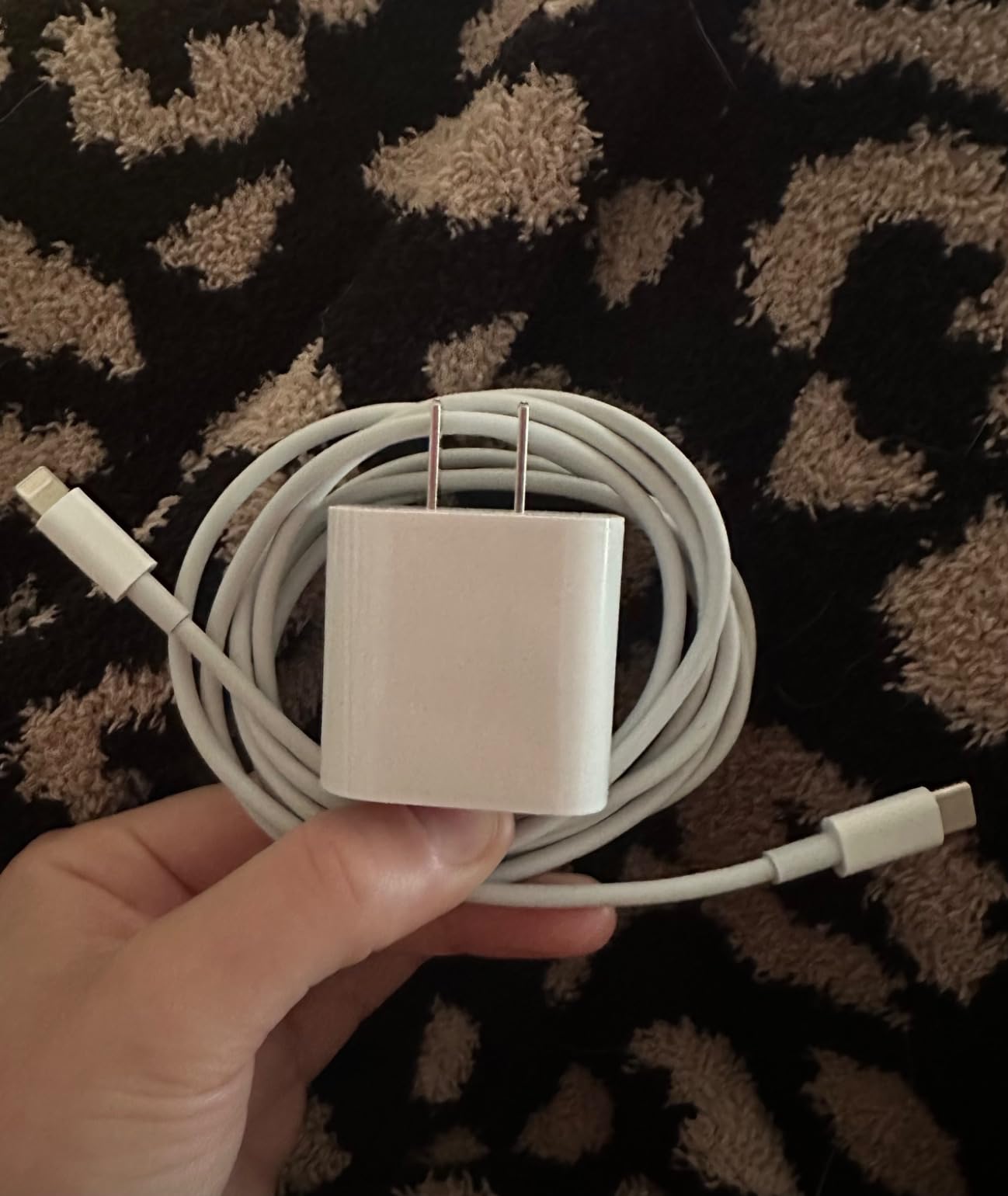
The Type-C to Lightning configuration serves the transitional period where newer charging blocks use USB-C outputs but older iPhones still require Lightning inputs. These cables bridge the connector gap that Apple’s iPhone 15 transition created for users with mixed-generation devices.
The fast charging specification has become baseline expectation rather than premium feature. Users expect cables to support the wattage their devices can accept, making fast charging support a necessary qualification rather than value-add selling point.
What’s interesting is how cable length reflects changing phone usage patterns. When phones were communication devices used briefly then set down, short cables sufficed. Now that phones are entertainment and work devices used continuously for hours, longer cables enable sustained use while maintaining charge.
The two-pack format at this pricing makes keeping multiple long cables in regular rotation economically trivial. One for bedroom, one for living room, with no need to move cables between locations or choose which room gets the convenient charging setup.
Previously listed at $13.99, current listings hover around $7.99. The dramatic price reduction for two cables of different lengths makes distributed long-cable infrastructure essentially free, removing cost barriers to having proper cable length in every charging location.
"Note: Readers like you help support The Apple Tech. We may receive a affiliate commission when you purchase products mentioned on our website."