
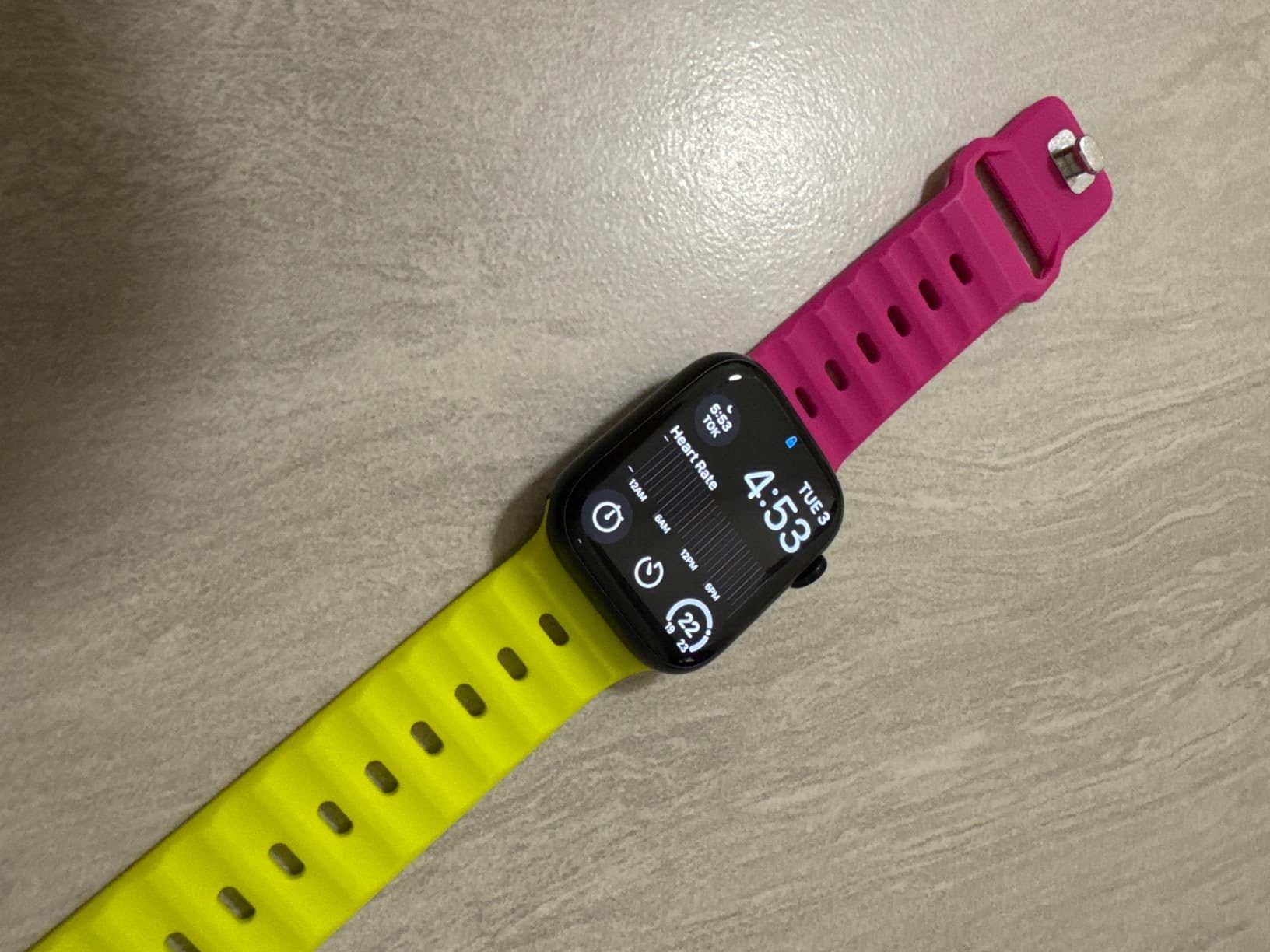
The watch stayed the same, but swapping bands made it feel like wearing different watches entirely. When Apple Watch first launched, most users stuck with whatever band came with the device. Swapping bands required buying them individually at premium prices, which made rotation feel extravagant rather than practical.
Multi-packs of sport bands changed the economics. Six bands for less than the cost of one official Apple band made rotation accessible. Users started matching bands to context: bright colors for workouts, neutral tones for work, darker shades for evening. The Apple Watch became less like a static accessory and more like something you actively styled.
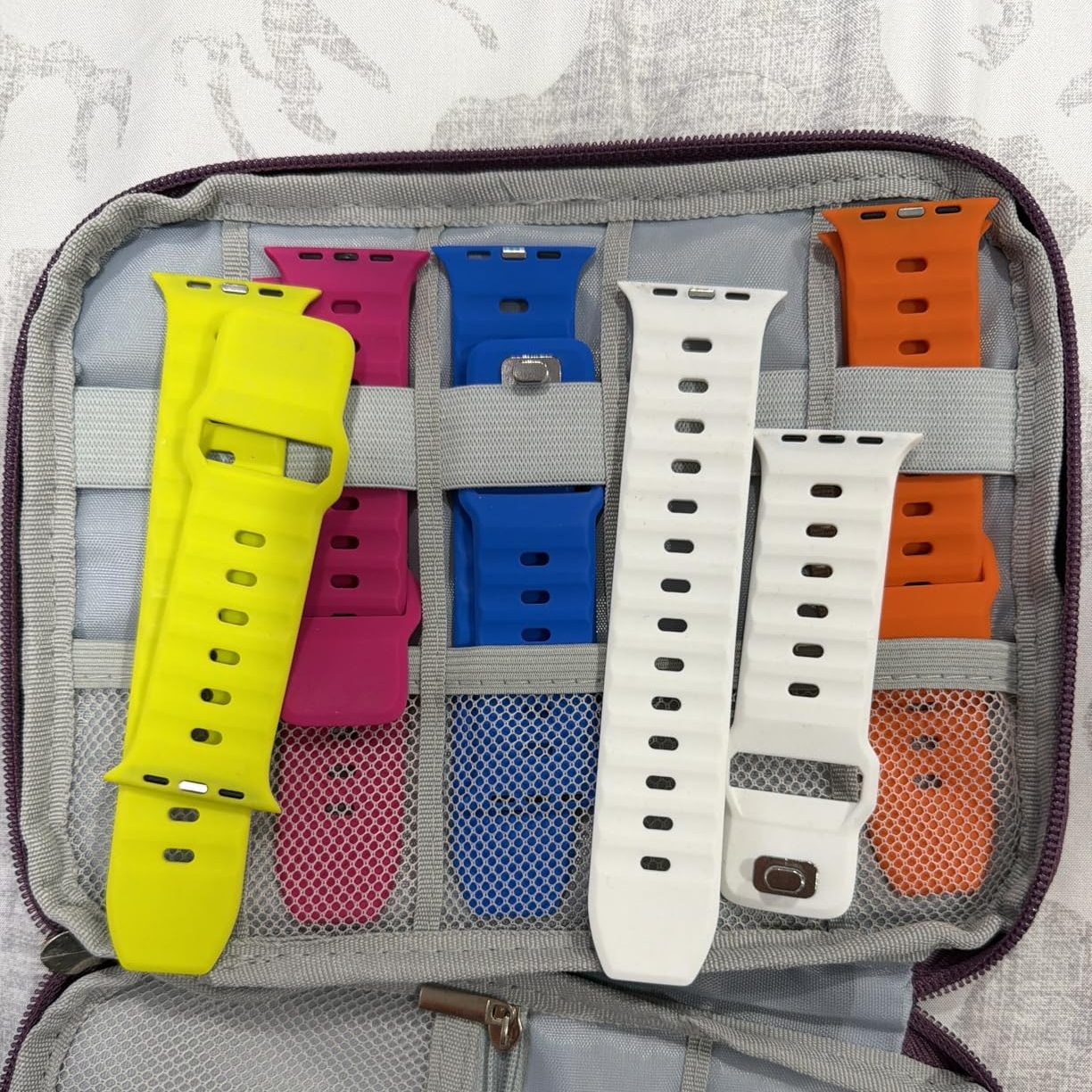
This created a different relationship with the device. Instead of “I wear an Apple Watch,” the internal narrative became “I wear an Apple Watch with the orange band today” or “the black band for this meeting.” The band choice became part of getting dressed, similar to choosing a belt or jewelry.
For fitness-focused users, this matters differently. Certain bands get associated with certain activities. The red band is for running. The blue band is for swimming. The rotation becomes functional rather than aesthetic—bands get sweaty, they need washing, having multiple means you’re never stuck waiting for one to dry.
But multi-packs also introduce decision fatigue. When you own six bands, you have to choose one every time you put the watch on. Some users find this energizing—it’s a small creative decision to start the day. Others find it exhausting and eventually settle on two or three favorites, leaving the rest unused in a drawer.
What’s revealing is how this parallels broader Apple Watch adoption patterns. The device has moved from tech gadget to everyday wearable, and everyday wearables benefit from variety. You wouldn’t wear the same shoes every day if you had options. Why wear the same watch band?
Previously listed at $16.99, current listings hover around $15.29. The low price for six bands reflects manufacturing scale and competitive pressure, making rotation economically trivial.
"Note: Readers like you help support The Apple Tech. We may receive a affiliate commission when you purchase products mentioned on our website."