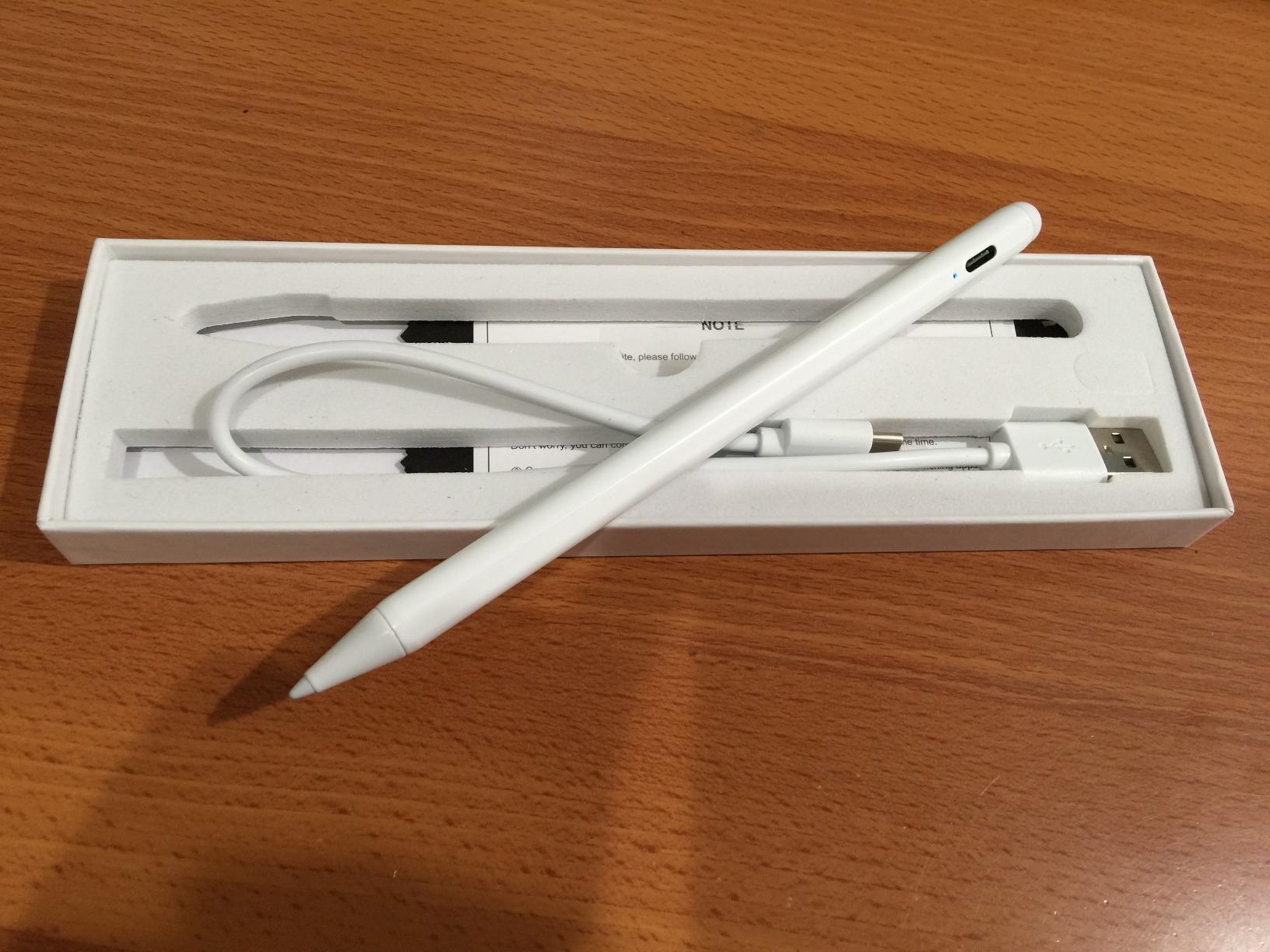
The proliferation of sub-$10 active styluses compatible with recent iPad models reveals how much of Apple Pencil’s cost reflects brand positioning rather than technical requirements. Palm rejection and pressure sensitivity no longer justify premium pricing.
Apple Pencil starts at $79 for the base model and climbs to $129 for the Pro version with advanced features. For users who bought an iPad specifically for note-taking or digital art, that additional cost creates a psychological barrier—the device isn’t truly usable for its intended purpose until you spend significantly more. Third-party styluses have exploited that gap by offering palm rejection, pressure sensitivity, and tilt recognition at prices that feel closer to impulse purchases than considered investments.
The fast-charging claim—twice as fast as Apple Pencil—addresses a specific frustration with Apple’s official accessory: charging time that feels disproportionate to usage duration. A stylus that reaches full charge in 30 minutes instead of 60 doesn’t change how you use the iPad, but it eliminates the planning required around keeping the stylus powered. That reduction in mental overhead accumulates over weeks of use.
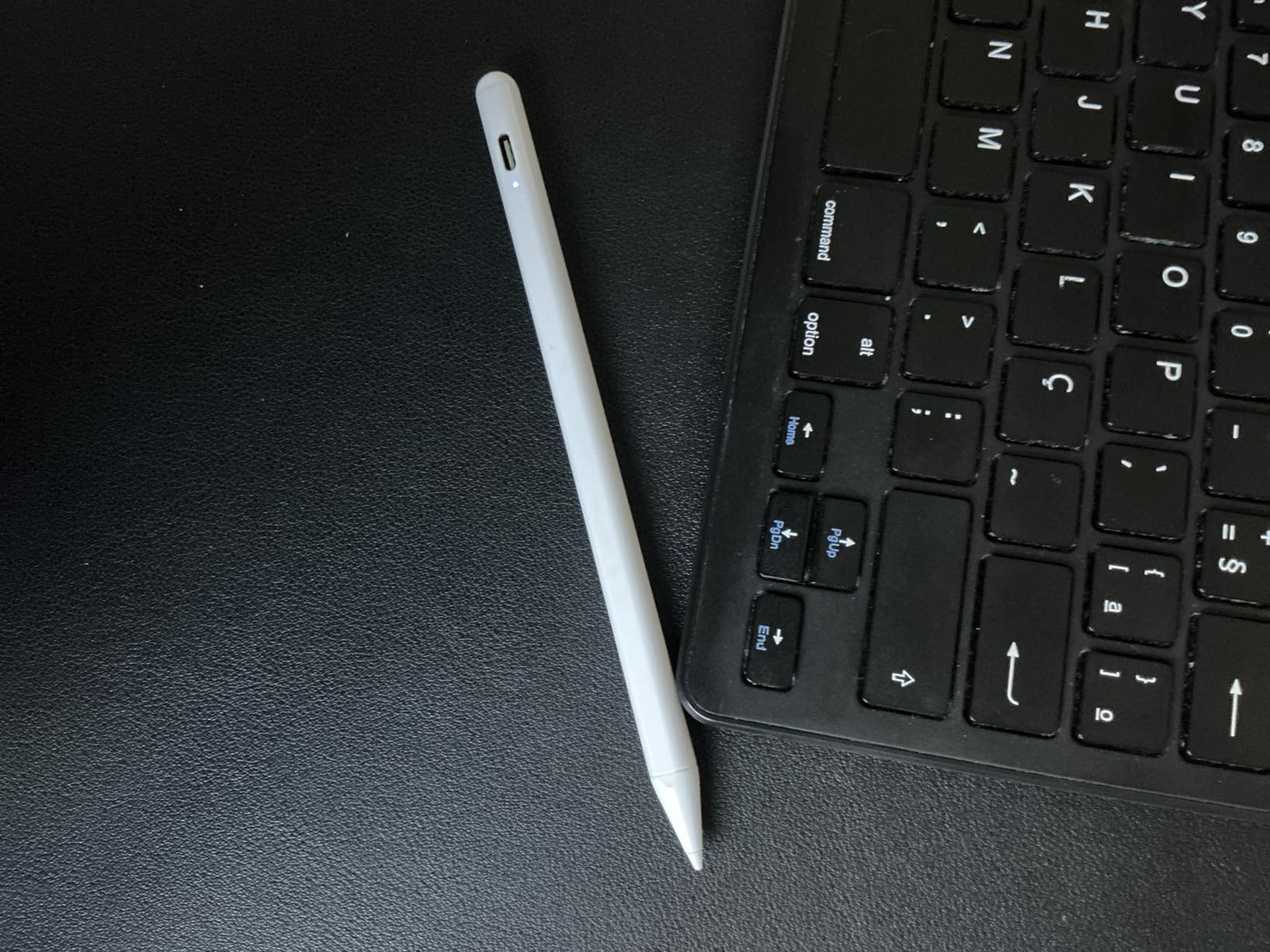
What’s striking is how compatible these third-party styluses have become with iPad’s native features. Palm rejection—the ability to rest your hand on the screen while drawing—was once exclusive to Apple Pencil. Now it’s standard across most active styluses, implemented through the same touchscreen protocols Apple uses. The democratization of that technology has made the Pencil’s premium pricing harder to justify for casual users.
The compatibility range spanning 2018 to 2025 iPad models reflects Apple’s stable API for stylus input. Unlike other accessories that require frequent updates to work with new hardware, a stylus that functioned with iPad Air 3 still works identically with iPad Air 5. That longevity makes third-party options more viable—you’re not betting on a device that might become obsolete with the next iOS update.
SIMILAR
How iPhone owners navigate the reality that gaming peripherals treat Apple devices as secondary platforms
How iPad Pro photographers created workarounds for a fundamental file transfer limitation Apple never quite solved
How iPhone users negotiate the nightly ritual of charging five devices from a single nightstand footprint
For students and casual digital artists, the decision often comes down to a simple calculation: spend $129 on Apple Pencil or $8 on an alternative that handles 90% of the same tasks. The missing 10%—features like double-tap tool switching or engraving options—matter to professionals but not to someone sketching notes in class or annotating PDFs.
The white color option signals an attempt to match Apple’s aesthetic language. These third-party styluses aren’t trying to look different—they’re trying to look identical. In group settings like classrooms or co-working spaces, the visual distinction between Apple Pencil and alternatives has become minimal enough that most people can’t identify which is which without close inspection.
Battery life on these third-party styluses has reached the point where charging becomes infrequent enough to forget about. Most models advertise 10-12 hours of active use, which translates to weeks or months for users who draw or write intermittently rather than professionally. That autonomy reduces the accessory’s maintenance burden to something comparable with the iPad itself.
Pricing for active iPad styluses has collapsed as the technology has commodified. Models that initially appeared near $30 current listings hover around $8(CODE 9C3U3TNX), with the pricing compression suggesting this category has matured past early-adopter margins into commodity accessory territory where profit comes from volume rather than premium positioning.
"Note: Readers like you help support The Apple Tech. We may receive a affiliate commission when you purchase products mentioned on our website."