
Mobile games used to be small. A few hundred megabytes, maybe a gigabyte if the graphics were ambitious. You downloaded them on a whim, played for a week, deleted them when you got bored. Storage was a concern, but not an emergency.
That math has collapsed. Games designed for newer handhelds and high-end mobile devices now routinely exceed 10 or 15 gigabytes, sometimes more after updates. The file sizes have ballooned to match the graphical fidelity, which has improved dramatically, but the devices themselves haven’t scaled storage capacity at the same rate. An iPad with 128GB of base storage starts to feel constrained when three games claim half of it.
The realization usually arrives mid-download: the game is 18 gigabytes, and your device has 22 gigabytes free, and you’re not sure which apps to delete first. Photos? Videos? The offline maps you downloaded for a trip six months ago? The calculus becomes uncomfortable quickly, especially on devices where storage isn’t expandable—which is most of Apple’s lineup.
Expandable storage cards have historically been an Android advantage, a way to add capacity without replacing the entire device. But as gaming has become more serious on mobile platforms—full-fledged ports of console titles, not just casual puzzle games—the appeal of offloading large installs to removable storage has grown. The iPad doesn’t support it, but devices that do have started leaning into speed as a differentiator. Games load faster, asset streaming stutters less, and updates don’t monopolize the device for 20 minutes.
Apple’s ecosystem has always treated storage as a fixed resource, something you choose once at purchase and live with for the life of the device. iCloud helps with photos and documents, but games don’t offload to the cloud—they live locally, and they grow with every patch. The tension is most visible in households where a single iPad gets shared among family members, each with their own games, each reluctant to delete anything.
Transfer speeds matter now in ways they didn’t when games were smaller. Moving a 20GB game from internal storage to a card, or copying it back to improve performance, used to take long enough that people avoided doing it. Faster cards reduce that friction, but they also highlight how much of the mobile gaming experience has started to resemble console gaming—not just in graphics, but in storage anxiety.
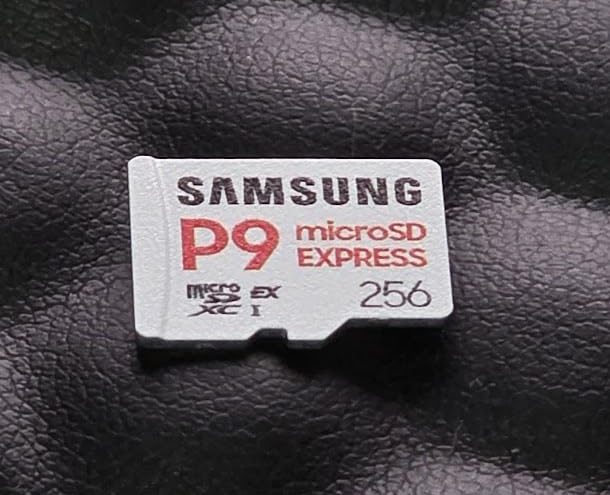
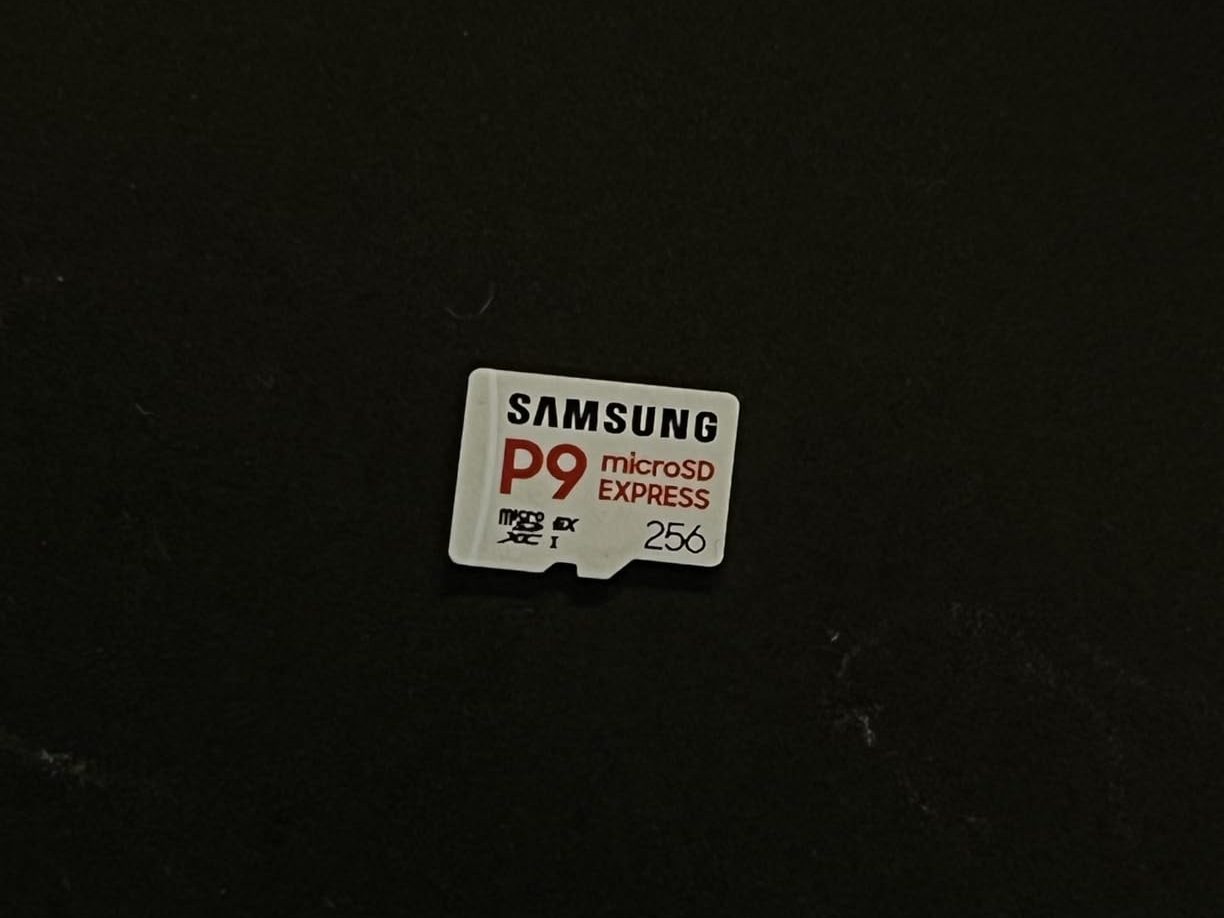
The Nintendo Switch popularized cartridges again, but also introduced a generation of players to the hybrid model: some games on cartridge, some digital, all competing for limited internal space. The expectation has bled into other mobile ecosystems. Players want the convenience of digital, but they also want the flexibility to manage what’s installed without constantly triaging their library. Previously listed at $55, current listings hover around $35 for high-speed cards that acknowledge this shift—storage isn’t just capacity anymore, it’s also about how quickly you can move in and out of large files without waiting.
"Note: Readers like you help support The Apple Tech. We may receive a affiliate commission when you purchase products mentioned on our website."