

For nearly fifteen years, Apple positioned the iPad as a device that liberated users from the mouse. Touch was intuitive, direct, and embodied. The cursor was a relic of desktop computing, unnecessary in a world where fingers replaced pointers. Yet a subtle reversal is now taking place across iPad workflows, particularly among users who treat the device as a laptop alternative.
The return of the cursor is not about rejecting touch. It is about reclaiming precision in moments where touch gestures fall short. Text selection, spreadsheet navigation, and multi-window management on iPadOS remain easier with a pointer than with a fingertip. The gesture language Apple built for touchscreens works beautifully for consumption, but it introduces friction the moment creation or complexity enters the equation.
This shift is not limited to professional users. Casual iPad owners are discovering that certain tasks—editing a long email, adjusting a photo mask, dragging files between windows—feel more natural with a cursor than with touch. The realization is quiet but consistent. The device that was meant to prove touch could replace the mouse is now accommodating both.
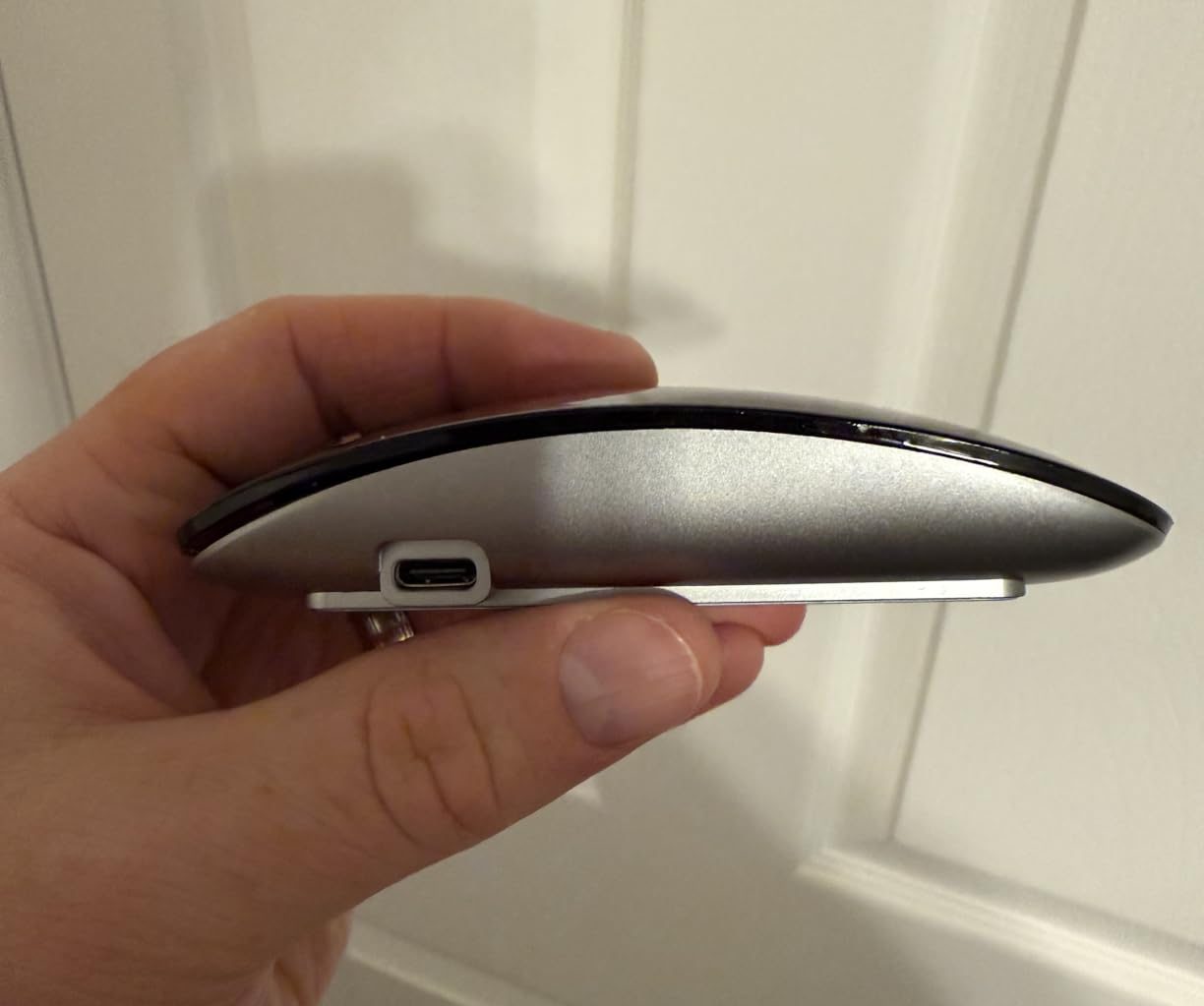
The design of newer peripherals reflects this tension. Lightweight, portable, rechargeable mice are no longer marketed toward desktop users alone. They are explicitly framed as companions to tablets and hybrid devices. The language has shifted from “replacing your laptop” to “working the way you want to work.” Apple itself introduced trackpad support to the iPad in 2020, signaling an acknowledgment that touch alone was insufficient for certain workflows.
What makes this reversal notable is not the presence of the cursor but the casualness with which users are reintroducing it. There is no declaration, no sense of defeat. It is simply a tool that solves a problem touch cannot. The iPad remains a touch-first device in philosophy, but in practice, it is becoming something more ambiguous—a machine that allows multiple input methods to coexist without requiring users to choose sides.
SIMILAR
Why iPhone users are carrying standalone noise machines instead of relying on sleep apps
Apple Watch charging became a bedside ritual, here's why the placement matters more than expected
iPhone users are quietly giving up the cable and most dont realize why it happened so gradually over time
The ecosystem is quietly adapting. Bluetooth pairing is smoother. Mice connect to iPads as easily as they do to MacBooks. The physical gesture of reaching for a mouse no longer feels like a step backward. It feels like an option. And in a computing environment that values flexibility, options matter more than ideology.
The friction between touch and cursor is not going away. It is being absorbed into the daily rhythm of iPad use. Users are no longer asking whether they should use a mouse with their tablet. They are simply using one when it makes sense. The behavior Apple discouraged is now woven into the way people actually work.
Previously listed around $30, current models with dual connectivity and rechargeable batteries now appear closer to $15, reflecting broader adoption and increased competition in the portable input category.
"Note: Readers like you help support The Apple Tech. We may receive a affiliate commission when you purchase products mentioned on our website."