There’s a quiet experiment happening among iPhone users who have decided that wireless earbuds don’t need to be made by Apple. These users are opting for third-party alternatives that cost significantly less but promise similar functionality. The decision isn’t purely financial. It’s a test of whether the Apple ecosystem’s integration benefits are worth the premium, or whether they’ve become oversold.
AirPods work seamlessly with iPhone because Apple controls both the hardware and software. Pairing is instant. Battery status appears in iOS notifications. Switching between devices happens automatically. These conveniences are real, but they come with a price that some users are no longer willing to pay, especially when alternatives have closed the functionality gap.
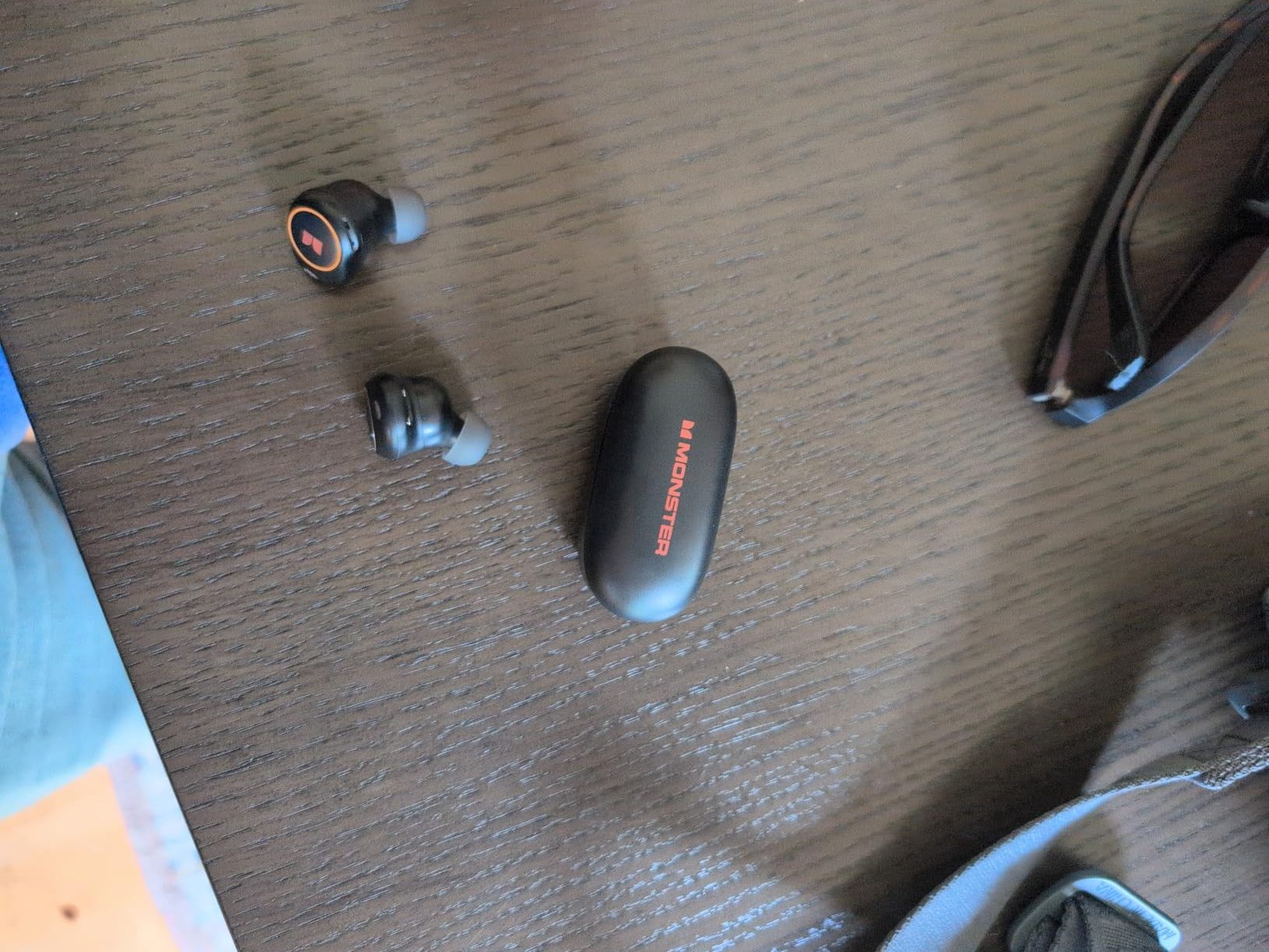
Third-party wireless earbuds now offer many of the same features. Bluetooth pairing is fast. Battery life is comparable. Sound quality is often indistinguishable to casual listeners. What’s missing is the deep integration, but for users whose primary need is simply listening to audio on their iPhone, that integration might be solving a problem they don’t actually have.
This decision reveals a tension at the heart of the Apple ecosystem. The value proposition is convenience through integration, but that convenience becomes harder to justify as the cost difference widens. An iPhone user paying a fraction of the price for wireless earbuds that meet their needs is implicitly questioning whether Apple’s ecosystem lock-in is serving them or extracting from them.
SIMILAR
Why iPhone users are carrying standalone noise machines instead of relying on sleep apps
Apple Watch charging became a bedside ritual, here's why the placement matters more than expected
iPhone users are quietly giving up the cable and most dont realize why it happened so gradually over time
What’s notable is how this behavior clusters. Users report feeling slightly disloyal when choosing non-Apple accessories, even though the iPhone itself remains central to their daily routine. The ecosystem creates psychological pressure to stay within it, not through technical limitations, but through the suggestion that stepping outside means sacrificing quality or compatibility.
In practice, most third-party wireless earbuds work fine with iPhone. Pairing takes a few extra seconds. Battery status might not appear in the same polished way. But the core function—audio playback—is unaffected. The question becomes whether those small conveniences are worth three or four times the cost.
The answer increasingly seems to be no, at least for a growing segment of users. The shift isn’t dramatic, but it’s visible. iPhone users are willing to compromise on integration if the savings are significant enough. The ecosystem’s gravitational pull remains strong, but it’s no longer absolute.
Previously listed near $8, current listings of some third-party wireless earbuds designed for iPhone compatibility now appear closer to $20(CODE 54B5FT5Q).
"Note: Readers like you help support The Apple Tech. We may receive a affiliate commission when you purchase products mentioned on our website."