

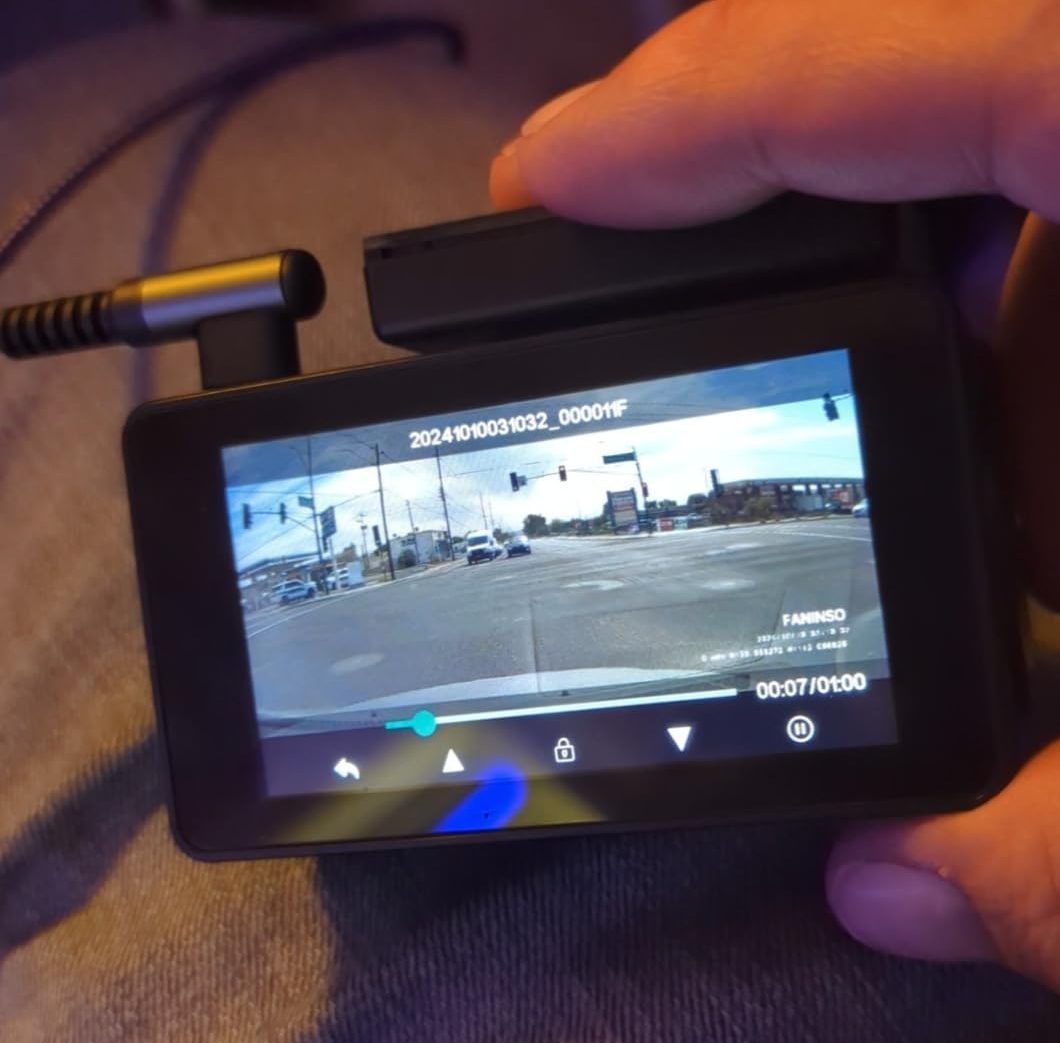
CarPlay transforms the iPhone into a dashboard interface for navigation and communication, but it doesn’t address the growing expectation that every drive should be documented for insurance or liability purposes.
CarPlay puts the iPhone at the center of the driving experience. It displays maps, routes calls through the car’s speakers, reads texts aloud, and lets you control music without touching the phone. What it doesn’t do is record the drive. If something happens—an accident, a close call, a dispute about right-of-way—the iPhone has no footage, no record, no evidence beyond your memory of what occurred.
Dash cameras emerged to fill this documentation gap, but they operate entirely outside Apple’s ecosystem. They record to their own storage, manage their own power, and require their own apps if you want to review footage. Some connect to the iPhone via Wi-Fi, allowing you to download clips, but the integration is minimal. The camera is a separate system that happens to coexist with CarPlay, not an extension of it.
The expectation that drives should be recorded has grown alongside insurance fraud awareness and legal liability concerns. A recorded clip can prove fault in an accident, document a hit-and-run, or provide evidence in a dispute with another driver. The iPhone’s camera is capable of high-quality video, but using it as a dash cam means propping it up, keeping it charged, and ensuring it’s recording—friction that makes it impractical for routine use.
Built-in storage matters because cloud recording isn’t viable while driving. Cellular data is intermittent, bandwidth is limited, and continuously uploading video would consume enormous amounts of data. The camera records locally to an SD card, which means the footage stays with the device until you choose to transfer it. This independence from connectivity is essential, but it also means the footage doesn’t automatically flow into iCloud Photos or the Files app. You have to retrieve it manually.
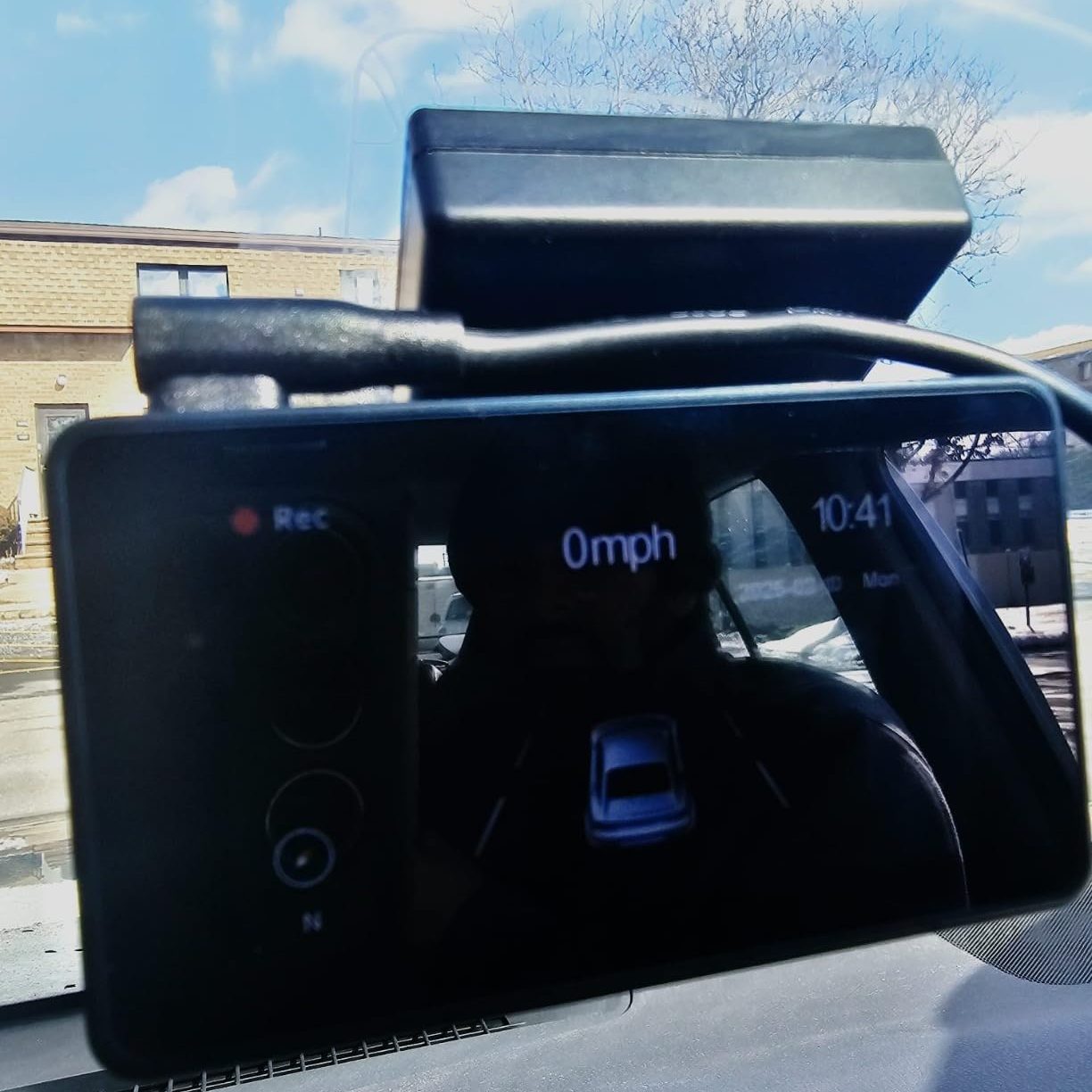
Parking mode extends the utility beyond active driving. The camera detects motion or impact while the car is parked and begins recording. This addresses scenarios where damage occurs while you’re away—someone backing into your car, a door ding, vandalism. The iPhone can’t do this. It’s either with you or it’s drained its battery trying to stay active. The dash cam stays in the car, powered by the vehicle, ready to document incidents whether you’re present or not.
Night vision and high resolution address visibility in low-light conditions and at distance. A license plate needs to be readable in footage, or the recording is less useful. The iPhone’s camera handles low light well, but it’s optimized for photography, not continuous recording of moving scenes at varying distances. The dash cam’s sensor and lens are tuned specifically for road documentation, which produces more reliable results than repurposing a device designed for other tasks.
GPS data embedded in the footage provides context—speed, location, route—that can be critical in legal or insurance situations. Some dash cams log this automatically. The iPhone has GPS data, but using it for drive documentation would require a third-party app running in the foreground or background, consuming battery and attention. The dash cam handles this passively, logging position and speed alongside the video without requiring any interaction.
Previously listed at $70, current listings hover around $35 (CODE VGEXPEA9) for dual-camera models with Wi-Fi connectivity. The price point has made drive documentation common enough that its absence feels like a gap. The iPhone maps the route and handles the calls, but it has no mechanism to capture what happens on that route in case something goes wrong. CarPlay brings iOS to the dashboard, but the ecosystem stops short of addressing the documentation layer that increasingly feels necessary.
"Note: Readers like you help support The Apple Tech. We may receive a affiliate commission when you purchase products mentioned on our website."






