

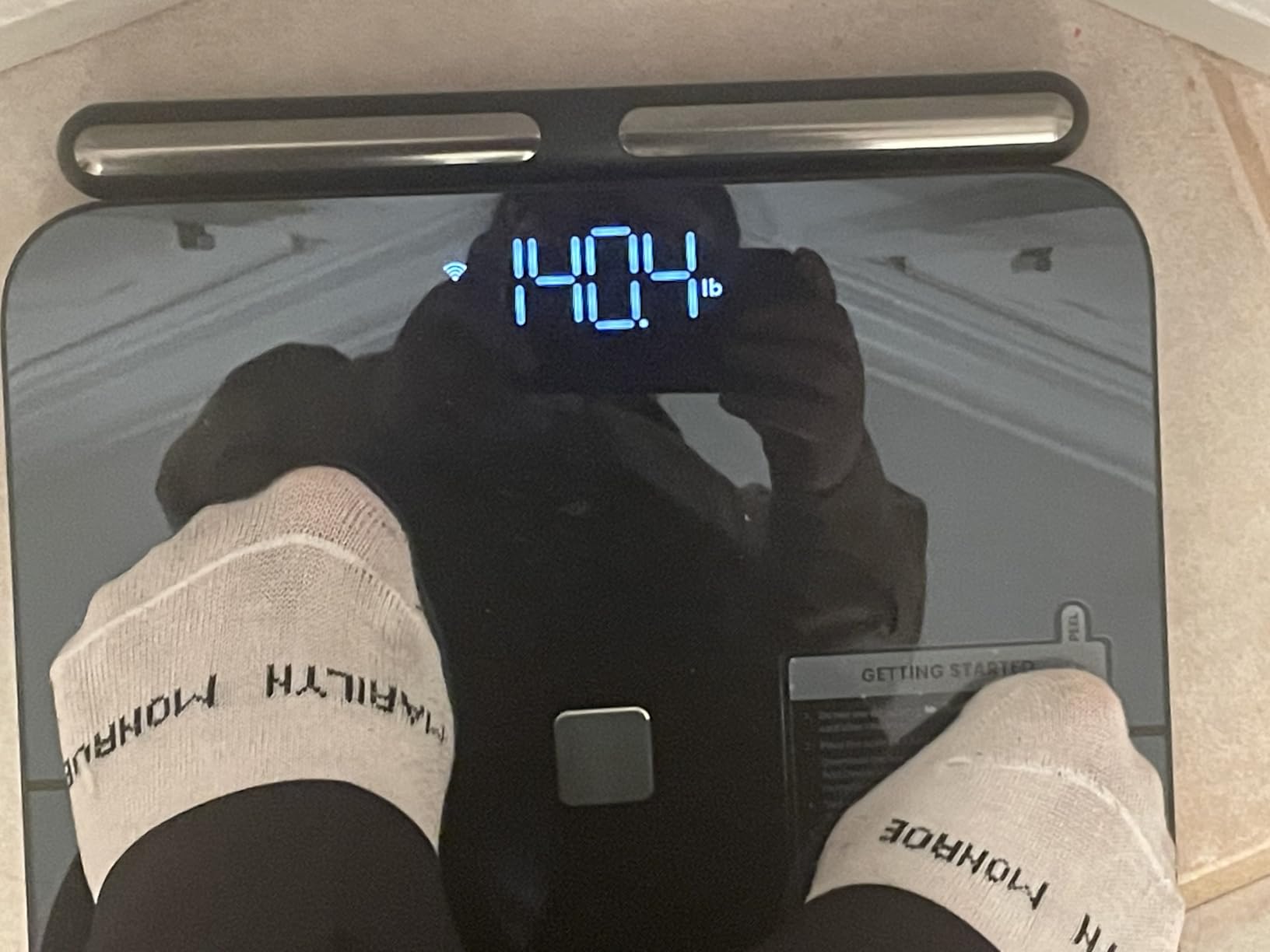
Apple’s Health app consolidates fitness data seamlessly from the Watch, but weight remains a gap that demands either disciplined logging or a Bluetooth-connected scale to close.
The iPhone Health app does a remarkable job of aggregating data without much input. Steps come from the Watch. Heart rate comes from the Watch. Workouts come from the Watch. Sleep tracking, too. The app builds a surprisingly detailed portrait of your activity without you lifting a finger. Weight is the exception. If you want it tracked, you have to enter it yourself. Every single time.
That manual step is where consistency breaks down. You weigh yourself on Monday. You remember to log it. You weigh yourself again on Thursday, but you’re running late, and by the time you think about it later, you can’t remember if it was 174 or 176, so you skip it. A week passes. The data gets sparse. The app stops being useful because the foundation—regular, consistent measurements—never solidified into habit.
Connected scales solve this by removing the decision entirely. You step on, it takes a reading, it syncs to the iPhone via Bluetooth, and the data appears in the Health app without you touching your phone. The scale doesn’t just record a number—it timestamps it, contextualizes it within a week or a month, and removes the small friction of opening the Health app and typing it in manually.
Apple’s ecosystem thrives on this kind of passive data collection. The less you have to think about logging, the more likely the data remains complete. The Watch proved this for activity tracking—you wear it, it records, you glance at the rings occasionally, and that’s sufficient. Weight tracking hasn’t had an equivalent passive capture method until connected scales became common enough to be part of the baseline setup rather than an enthusiast accessory.
The Health app’s utility scales with data density. A few scattered weight entries don’t reveal much. Daily entries over three months start to show patterns—trends that correlate with stress, with sleep quality, with changes in activity levels. The app can surface these connections, but only if the data exists to analyze. A connected scale doesn’t guarantee insight, but it makes the foundation more likely.
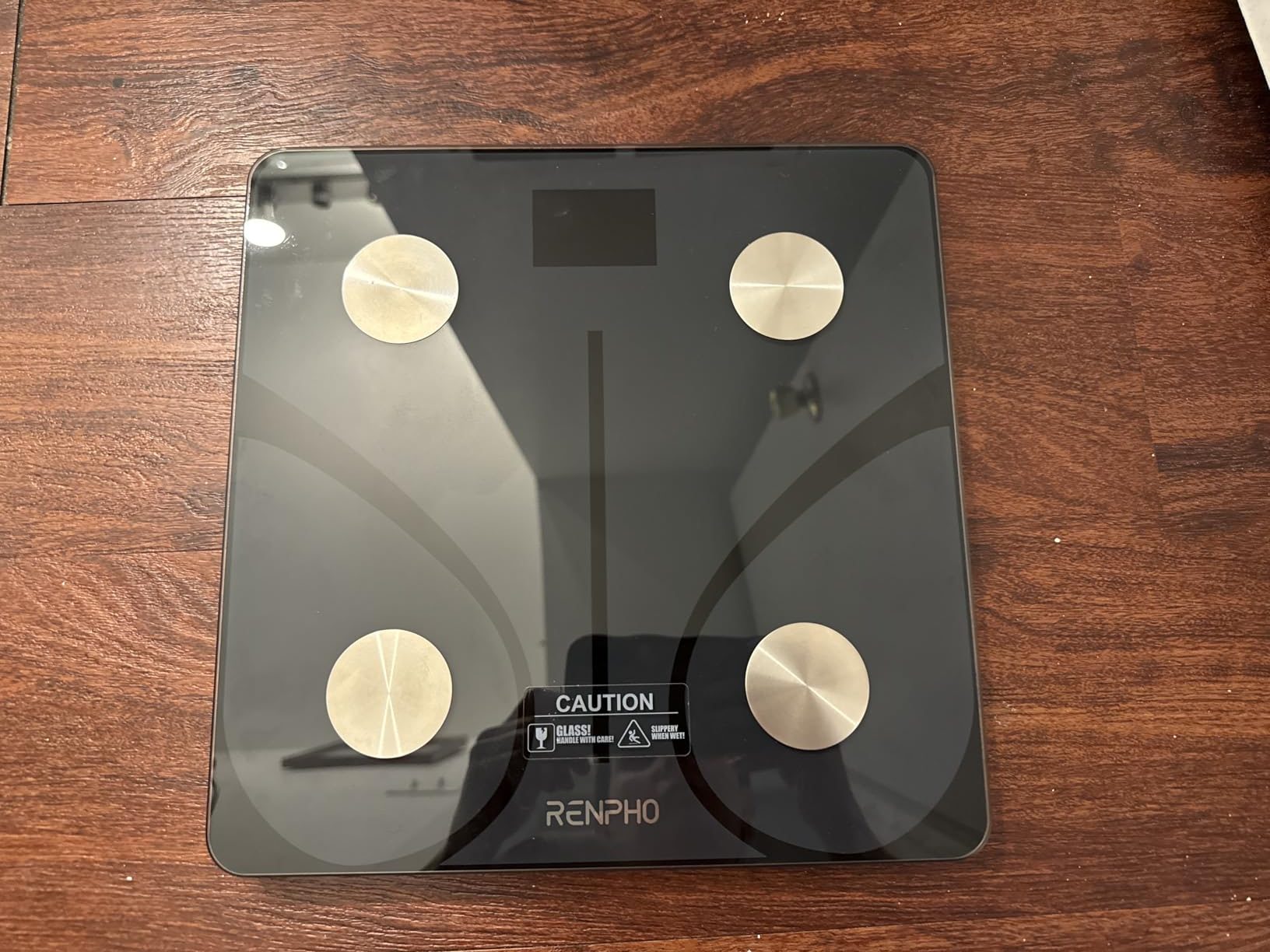
Body composition metrics—body fat percentage, muscle mass, bone density—add another layer, though their accuracy varies and the numbers matter less than the trends. The iPhone displays them alongside weight, and over time, you start to notice when one metric moves independently of the others. It’s not clinical-grade data, but it’s enough to inform adjustments in how you’re approaching fitness or diet.
There’s also a shareability factor. Apple Health data can integrate with other apps—fitness trackers, nutrition loggers, even medical records if your healthcare provider supports it. The scale becomes an input to a larger ecosystem, and the more complete that ecosystem, the more useful each individual data point becomes. Previously listed at $35, current listings hover around $20 for scales that treat Health app integration as core functionality rather than a bonus feature. The shift isn’t about the hardware—it’s about reducing the friction between intent and follow-through, one automatic sync at a time.
"Note: Readers like you help support The Apple Tech. We may receive a affiliate commission when you purchase products mentioned on our website."






