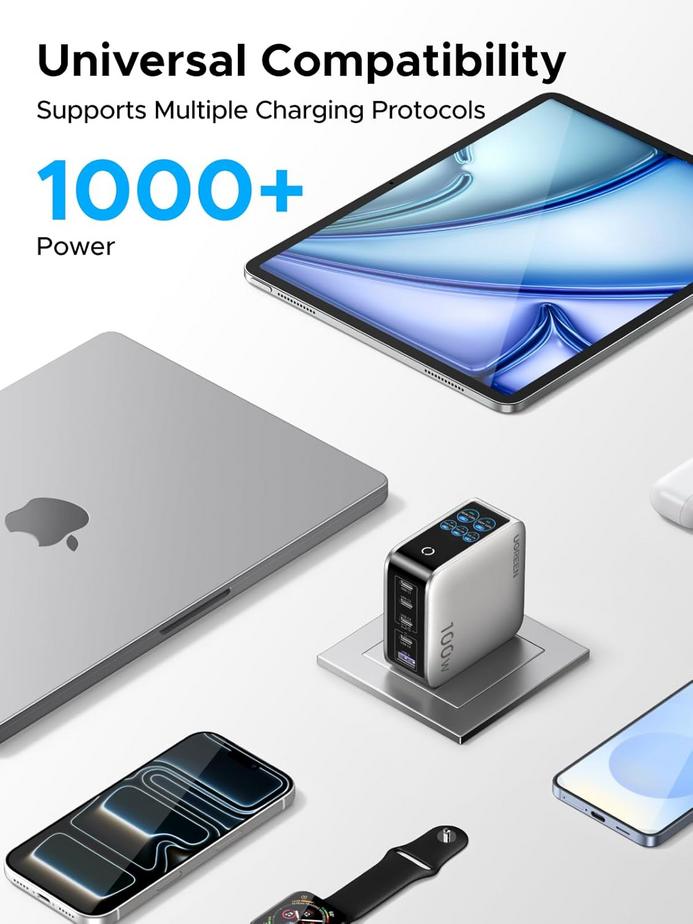
A few years ago, car charging was straightforward: one cable for the driver’s phone, plugged into the cigarette lighter or USB port. That was enough because the driver was typically the only person whose device needed power during the commute. But as more households adopted multiple iPhones, Apple Watches, and other devices, the car became a shared charging space where everyone expects access.
This shift has created tension around limited charging ports. Most vehicles still come with one or two USB outlets, which were sufficient when car time meant short solo trips. Now, family road trips or even daily carpools involve multiple people whose devices are all running low simultaneously. The friction isn’t just about having enough power—it’s about negotiating who gets to charge first and for how long.
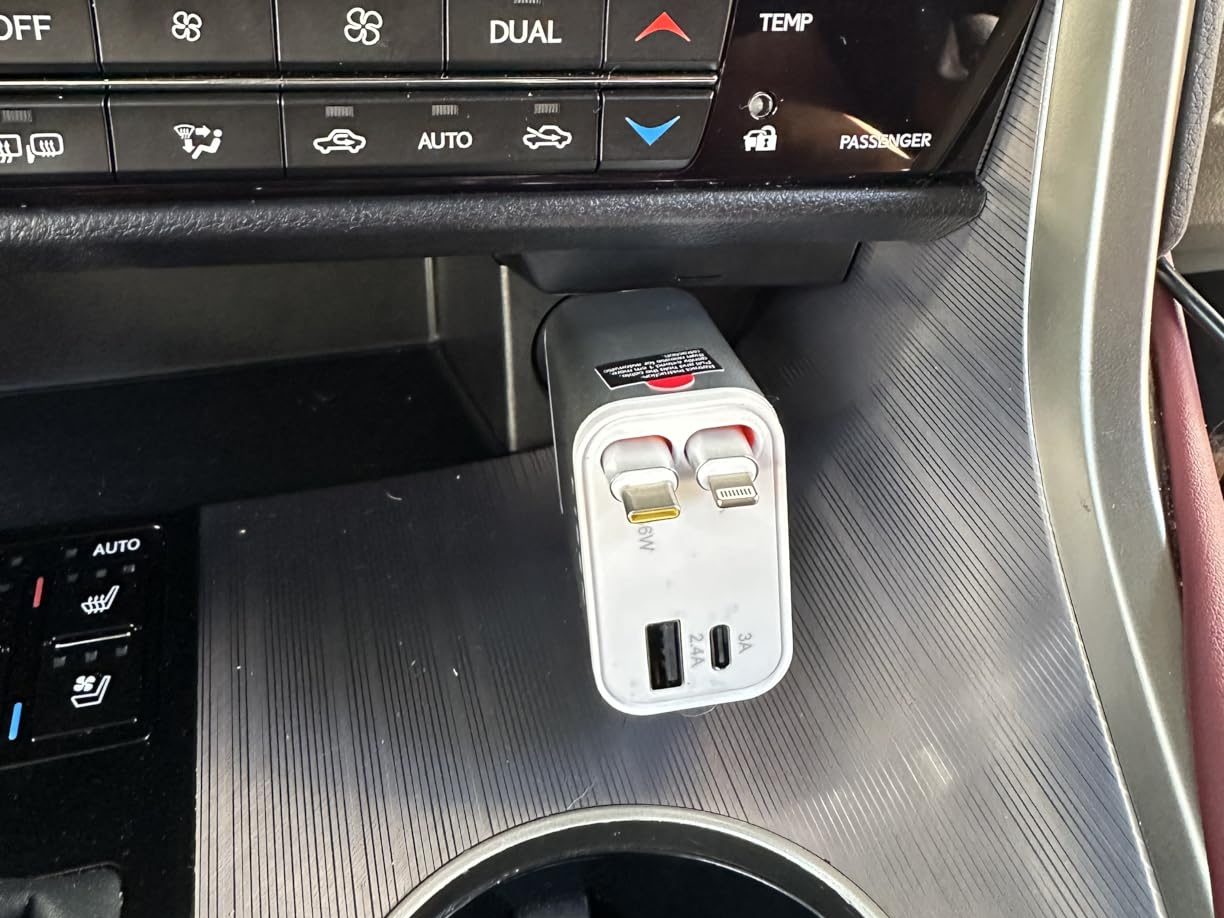
Retractable cable designs have emerged as a response to the physical clutter of multiple charging cords snaking through a vehicle’s interior. Traditional cables dangle, tangle, and often end up wedged between seats or dropped on the floor. A retractable system consolidates multiple cables into a single hub, allowing them to extend when needed and retract when not in use. The appeal is less about charging speed and more about reducing the visual and spatial mess that permanent cables create.
What’s revealing is how quickly this became a priority. The assumption that a single USB port would suffice has been replaced by the reality that passengers expect charging access too. Children in the back seat with their own devices, partners who forgot to charge overnight, friends hitching a ride—all of these scenarios now involve the implicit expectation that the car will provide power, not just transportation.
The shift also reflects changing battery anxiety patterns. People used to plan around charging before leaving the house. Now, the car itself is treated as a charging station that should handle whatever state the device is in when the trip begins. Low battery at departure isn’t a problem to solve beforehand—it’s a condition the car is expected to accommodate during the drive.
SIMILAR
iPhone and MacBook users are compensating for a port problem Apple created
iPhone users are eliminating the tangled cable from every car charging session
iPhone users are transforming nightstands into silent charging infrastructure
Higher wattage distribution has become necessary as newer iPhones support faster charging. A standard 12-watt USB port that was adequate for older devices now feels sluggish when an iPhone 15 or 16 is plugged in expecting 20 watts or more. Multi-port chargers that split 60 or 75 watts across several devices allow simultaneous charging without significantly slowing individual devices, which matters when drive time is limited and multiple batteries are low.
What this behavior signals is a recalibration of what car time means within the Apple ecosystem. The vehicle isn’t just a place where phones happen to be present—it’s an extension of the home charging infrastructure, expected to top up devices during commutes, errands, and trips. Apple designed iPhone to charge anywhere, but users have collectively decided that “anywhere” now includes every car ride, for every device, for every passenger.
Multi-port retractable car chargers supporting 75 watts distributed across four connections are currently available around $28, reflecting a market where car charging has transitioned from single-device convenience to multi-device expectation within households managing several iPhones and accessories simultaneously.
"Note: Readers like you help support The Apple Tech. We may receive a affiliate commission when you purchase products mentioned on our website."