


The logic used to be simple: if you knew you’d be away from power for an extended period, you brought a portable charger. For everyone else, the built-in battery was enough to get through a normal day. That assumption has eroded as screen time has increased, Apple Watch features have multiplied, and the definition of a normal day has stretched to include longer commutes, more notifications, and constant connectivity.
What’s changed isn’t necessarily the battery capacity of the devices—it’s the tolerance for running low. A few years ago, letting an iPhone drop to 20 percent by evening felt manageable. Now, many users feel uneasy once it dips below 50 percent, particularly if they’re still hours away from home. The anxiety of running out of battery while away from an outlet has shifted from occasional concern to persistent background tension.
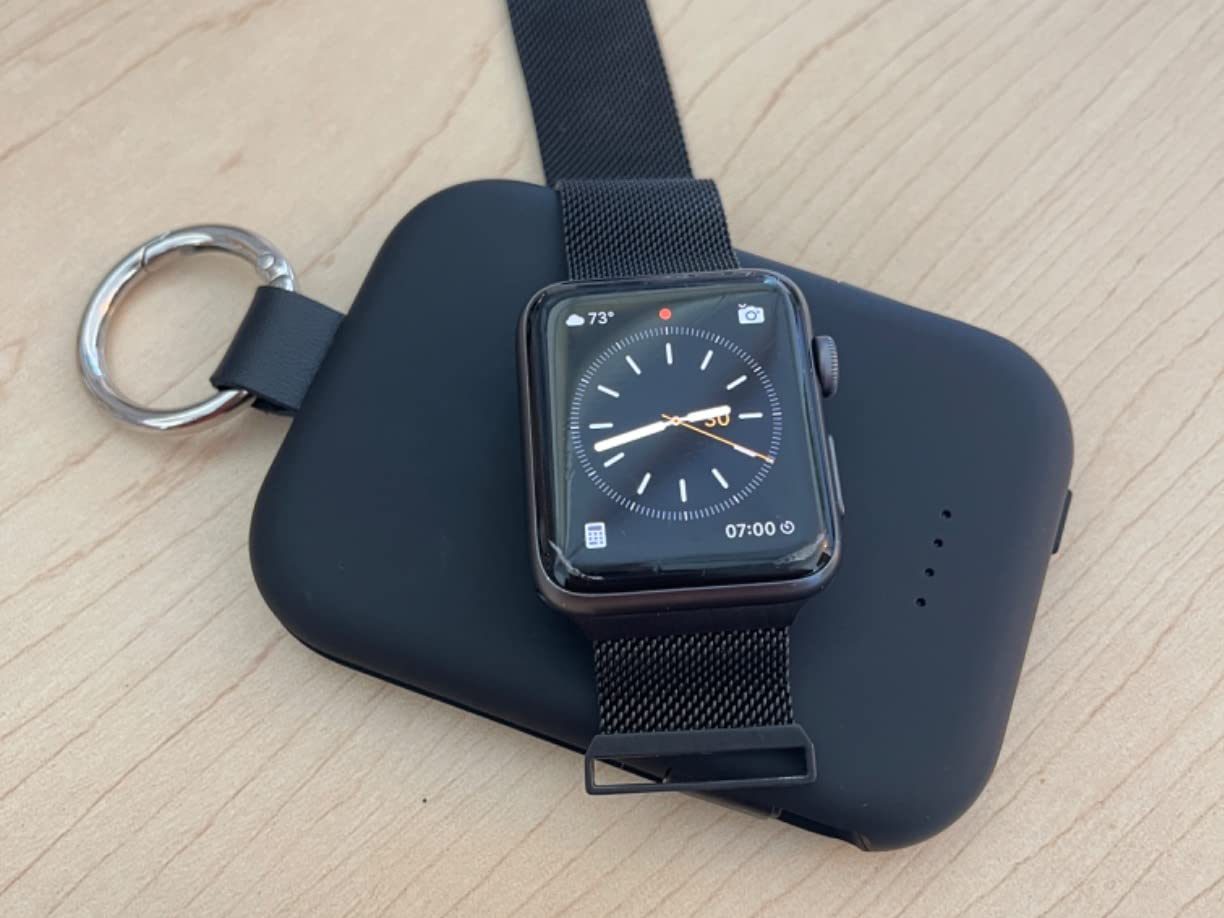
This has led to portable chargers becoming everyday carry items rather than travel-specific accessories. They’re no longer reserved for trips or emergencies—they’re tossed into bags alongside keys and wallets, kept in car glove compartments, or clipped to keychains. The behavior reflects a broader recalibration of what constitutes sufficient battery life. If the device might run low, the charger comes along, even if it never gets used.
Apple Watch has accelerated this shift more than iPhone alone. The watch drains faster with always-on display, workout tracking, and cellular connectivity enabled. It also charges more slowly than iPhone, which means a quick top-up during a lunch break isn’t always practical. For users wearing the watch continuously—through sleep tracking, fitness sessions, and work hours—keeping it charged throughout the day requires either disciplined charging habits or a portable backup.
Integrated cables have reduced the friction of carrying a portable charger. Earlier models required bringing the charger plus separate cables for iPhone and Apple Watch, which meant managing multiple small items that could easily be forgotten or tangled. Newer designs with built-in cables eliminate that step, turning the charger into a single object that works immediately without requiring additional accessories.
SIMILAR
iPhone and MacBook users are compensating for a port problem Apple created
iPhone users are eliminating the tangled cable from every car charging session
iPhone users are transforming nightstands into silent charging infrastructure
The size and weight trade-off has also shifted. Compact chargers with lower capacity used to be preferred because they fit in pockets easily, but many users have gravitated toward slightly larger models that can fully charge both iPhone and Apple Watch multiple times. The extra bulk is tolerated because it reduces the likelihood of the charger itself running out of power, which defeats the purpose of carrying it in the first place.
What this reflects is a change in how battery life is managed within the Apple ecosystem. It’s no longer about making it through a full day on a single charge—it’s about ensuring that battery depletion never becomes a constraint on how devices are used. The portable charger isn’t a backup plan. It’s an extension of the charging infrastructure that follows the user wherever they go.
Compact portable chargers with integrated Lightning and Apple Watch charging cables, keychain attachment points, and 5000mAh capacity are currently available around $26, reflecting a market where daily portable charging has shifted from travel necessity to routine habit for users carrying both iPhone and Apple Watch regularly.
"Note: Readers like you help support The Apple Tech. We may receive a affiliate commission when you purchase products mentioned on our website."