

The idea of recording video hands-free on iPhone sounds simple: lean it against something, press record, and let it capture whatever’s happening. That approach works for a single take, maybe two. But once recording becomes a regular activity—whether for cooking demonstrations, fitness tracking, product reviews, or remote presentations—the limitations of improvised propping become frustrating. The angle shifts slightly. The phone tips over. The framing isn’t consistent between takes.
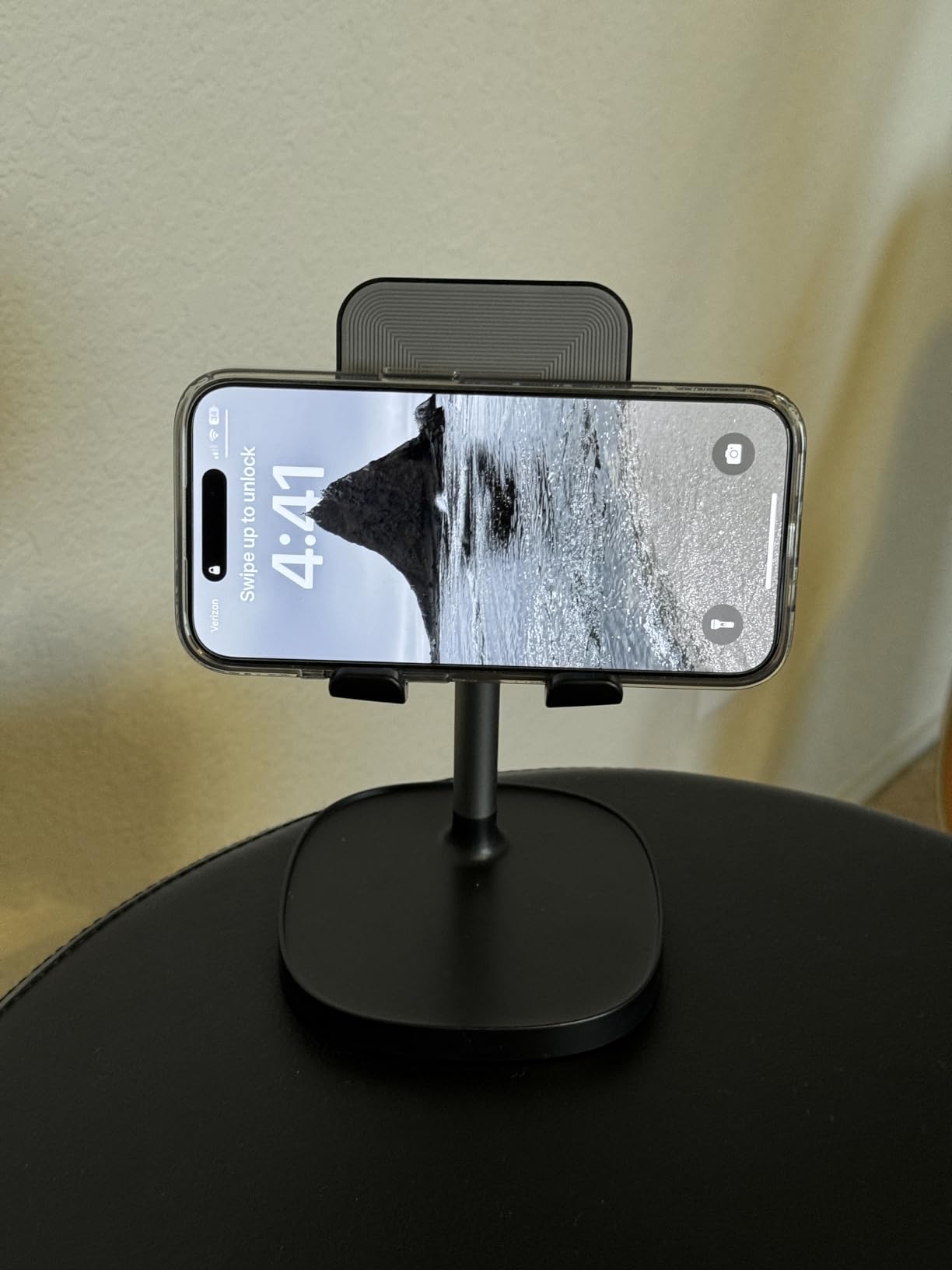
This has driven a shift toward adjustable stands designed specifically for video recording from a fixed position. These aren’t tripods meant for outdoor use or travel—they’re desk-mounted stands that hold iPhone or iPad at precise angles and keep them there across multiple sessions. The expectation that a phone or tablet could be propped casually has been replaced by the need for deliberate, repeatable positioning.
What’s changed is the context in which recording happens. A few years ago, most iPhone video was captured handheld or in spontaneous moments. Now, a growing number of users are recording structured content—recipe walkthroughs filmed from overhead, workout routines captured at waist height, unboxing videos shot at specific angles for lighting consistency. Each of these scenarios requires the device to stay in exactly the same position across cuts and retakes, and that level of precision doesn’t happen without a stand.
The friction shows up most clearly when users realize they’ve been manually readjusting the phone between every recording session. Tilt it slightly forward, shift it left, raise it up, check the framing, start again. After repeating this process a dozen times, the inefficiency becomes obvious. A stand that locks into a specific angle and holds it eliminates that recurring adjustment, which saves time and reduces the cognitive load of setting up each take.
Adjustability matters more than it initially seems. A fixed stand works for one type of shot, but different recording contexts require different heights and angles. Overhead shots for cooking need the phone nearly horizontal. Talking-head videos need it vertical at eye level. Product demonstrations need it angled downward at 45 degrees. A stand that shifts between these positions without wobbling or requiring tools to adjust becomes essential for anyone recording more than one type of content.
SIMILAR
iPhone and MacBook users are compensating for a port problem Apple created
iPhone users are eliminating the tangled cable from every car charging session
iPhone users are transforming nightstands into silent charging infrastructure
The stands that address this need tend to prioritize grip strength and range of motion over portability. They’re heavier, with thicker arms and tighter joints, because the primary concern is keeping the device absolutely still during recording. A lightweight stand might be easier to move between rooms, but if it can’t hold an iPad steady at full extension, it’s not useful for the task at hand.
What this reflects is a broader shift in how iPhone and iPad video capability is used. Apple designed the cameras to be handheld and spontaneous, optimized for capturing moments as they happen. But a significant portion of users are now treating these devices as stationary recording tools, and that use case requires stability and repeatability that handheld design doesn’t provide. The stand isn’t an accessory—it’s the foundation that makes structured recording practical.
Adjustable desk stands with reinforced arms, rotating heads, and support for devices up to 10 inches are currently available around $10, reflecting a market where iPhone and iPad video recording has transitioned from casual capture to deliberate content creation requiring fixed positioning and consistent framing.
"Note: Readers like you help support The Apple Tech. We may receive a affiliate commission when you purchase products mentioned on our website."