
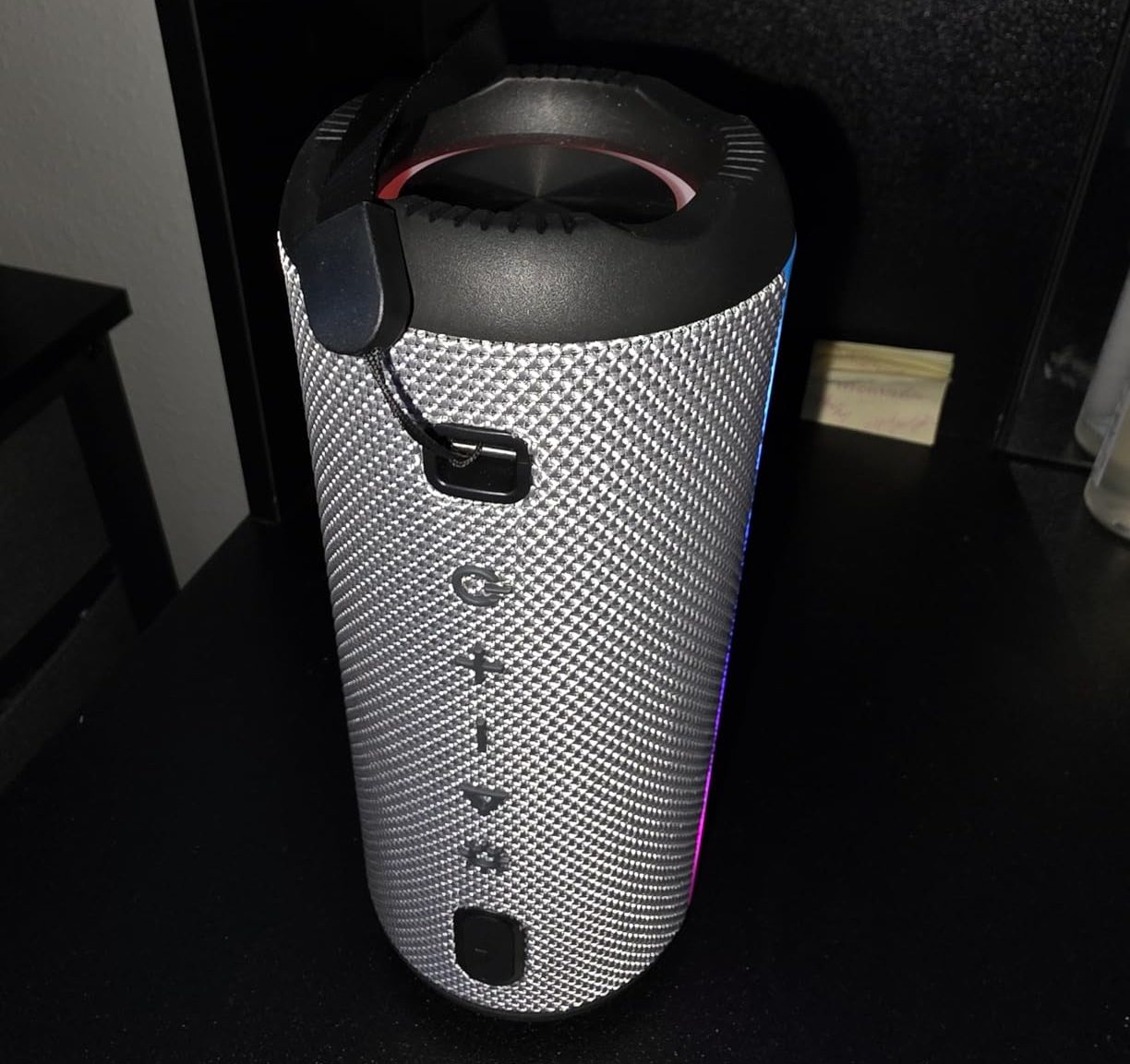
Parks used to be quiet except for conversation and ambient noise. Now they’re layered with overlapping music from portable speakers, each group creating its own audio territory. The shift happened gradually enough that people stopped questioning whether shared spaces should have shared soundtracks.
iPhone users treat Bluetooth pairing as frictionless, but the ease of connection changed social expectations. Bringing a speaker to a beach or picnic used to require planning and intention. Now it’s as automatic as bringing the phone itself. The threshold for playing music aloud dropped from special occasions to default behavior.
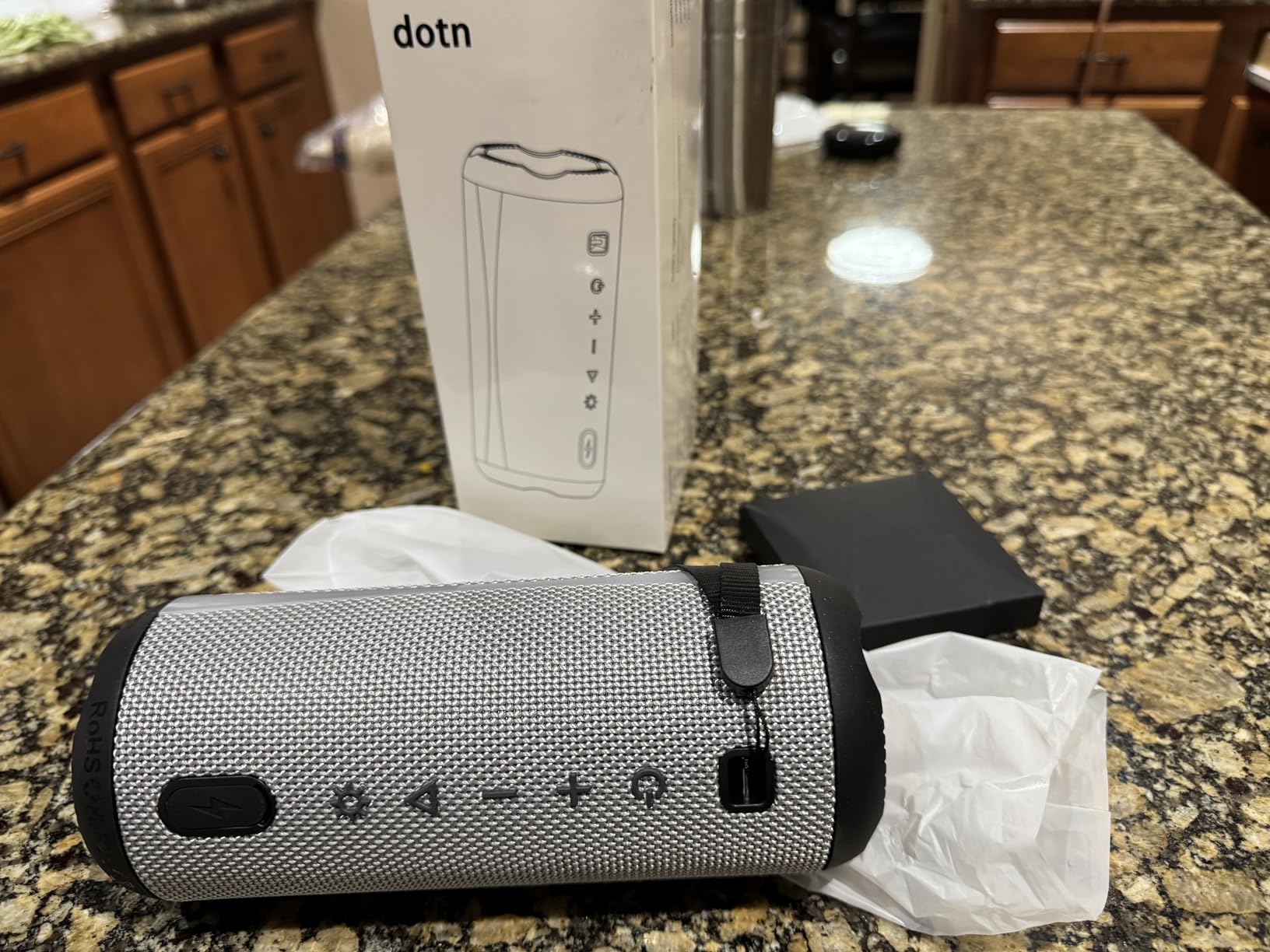
The visual presence of speakers matters. RGB lighting turns audio devices into focal points, signaling that music isn’t just background but part of the gathering’s identity. The speaker becomes décor as much as function, occupying physical and social space in ways headphones never did.
Waterproofing enabled new contexts that weren’t possible before. Pools, beaches, and outdoor activities all involve water exposure that used to limit audio options. Once that barrier disappeared, music followed people into environments where it previously couldn’t go. The absence of music in those spaces started feeling like an oversight rather than the norm.
Battery life determines how long these informal soundtracks can last. A twenty-hour rating means a speaker can run through an entire day without intervention, removing the friction of monitoring charge levels or cutting events short. The music doesn’t stop until people choose to stop it, not because the device runs out of power.
SIMILAR
Why iPhone users are carrying standalone noise machines instead of relying on sleep apps
Apple Watch charging became a bedside ritual, here's why the placement matters more than expected
iPhone users are quietly giving up the cable and most dont realize why it happened so gradually over time
Pairing multiple speakers—TWS functionality—reflects how listening became communal rather than individual. One speaker might be enough for a small group, but larger gatherings now expect distributed sound. The assumption that music should be audible everywhere within a social space changed what counts as adequate audio coverage.
iOS makes this behavior easy but doesn’t prompt people to consider whether it’s appropriate. The technical friction disappeared faster than social norms could adapt. People who would never play music aloud from their phone think nothing of connecting to a speaker and doing the same thing at higher volume.
Previously listed around $130, current listings for portable Bluetooth speakers with extended battery life and lighting features now appear closer to $25, indicating how common this type of social audio setup has become.
"Note: Readers like you help support The Apple Tech. We may receive a affiliate commission when you purchase products mentioned on our website."