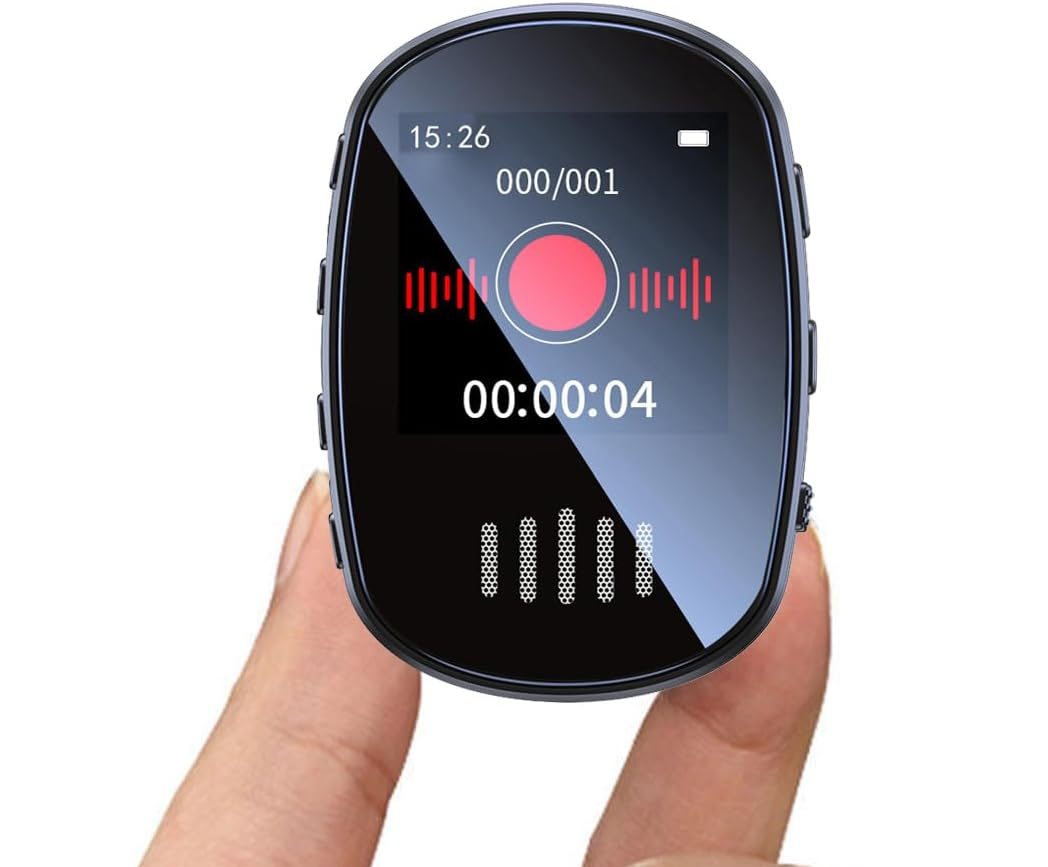
Meetings used to end with handwritten notes and rough action items. Now they end with multiple participants checking if their recordings saved properly. The device that was supposed to help people remember conversations started making them more anxious about being recorded.
iPhone voice memos made recording effortless, but standalone recorders offered something different—distance from the phone itself. Pulling out an iPhone to record a conversation feels intrusive because phones are associated with distraction and multitasking. A separate device signals intentionality without the baggage of notifications and messages appearing on screen during sensitive discussions.
This separation matters in professional contexts where trust is fragile. Managers record performance reviews to protect against misunderstandings. Employees record the same conversations for the same reason. Both parties know the other might be recording, but neither wants to be the first to place a phone visibly on the table.
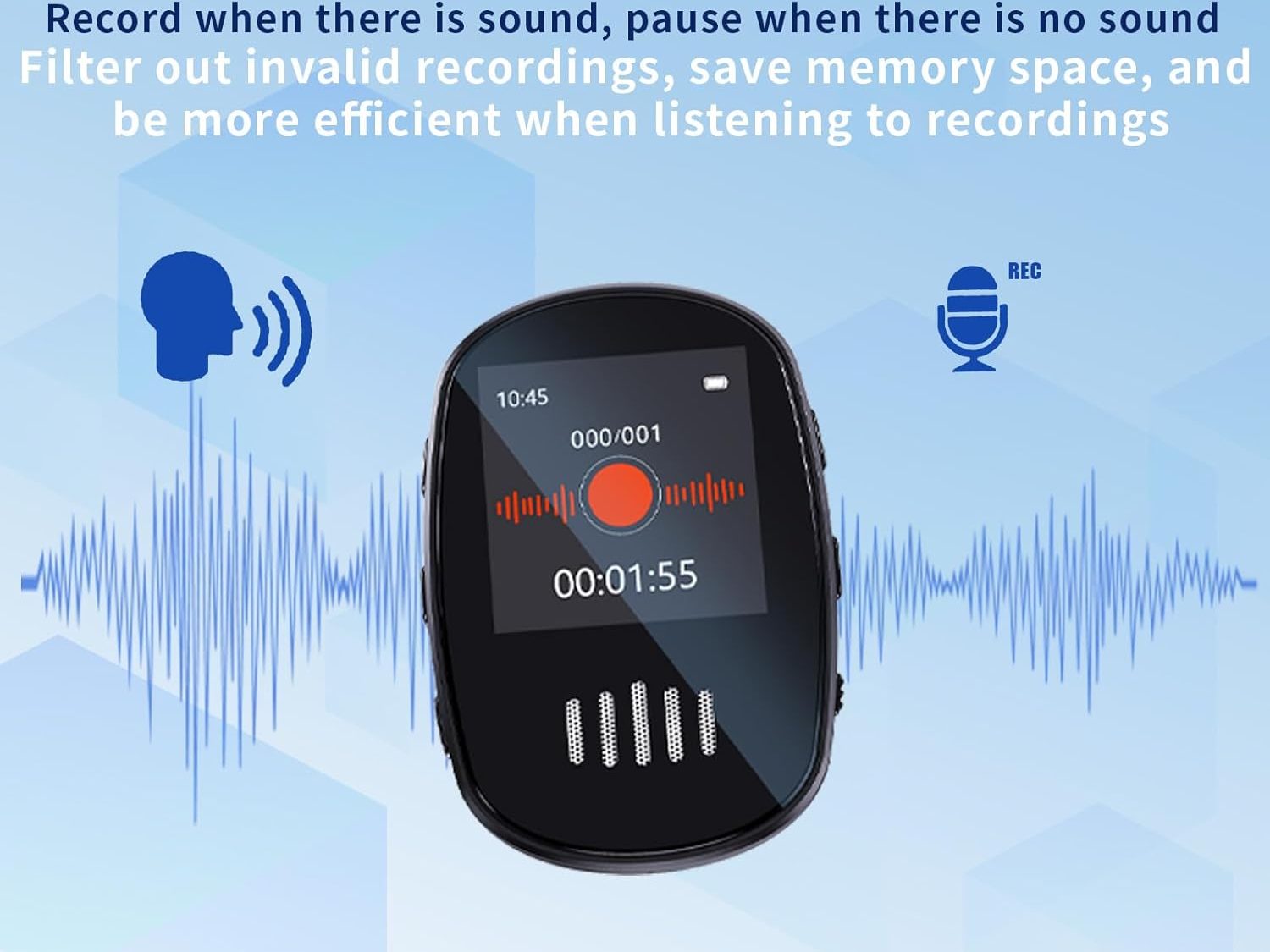
Password protection became a feature people didn’t know they needed until recording became habitual. The anxiety isn’t about strangers accessing files—it’s about colleagues, family members, or anyone with brief access to an unlocked device scrolling through saved conversations. The recordings aren’t inherently sensitive, but their existence creates vulnerability.
Voice activation removed the friction of pressing record at the right moment, but it introduced new uncertainty. People worry they missed the beginning of an important exchange or that the device stopped recording prematurely. The automation that made recording easier also made it harder to trust without verification.
SIMILAR
Why iPhone users are carrying standalone noise machines instead of relying on sleep apps
Apple Watch charging became a bedside ritual, here's why the placement matters more than expected
iPhone users are quietly giving up the cable and most dont realize why it happened so gradually over time
The habit of recording everything creates its own problems. Files accumulate faster than people can review them. Hours of audio sit unplayed, justified by the possibility they might be needed later. The effort of listening back often exceeds the effort of simply asking for clarification in the moment, but the behavior persists.
iOS handles voice memos adequately, but the decision to use a dedicated recorder reflects a desire to keep work recordings separate from personal device ecosystems. The recordings don’t sync to iCloud, don’t appear in search results, and don’t trigger accidental playback when Siri misinterprets a command.
Previously listed around $53, current listings for standalone voice recorders with password protection and voice activation now appear at similar midrange price points, suggesting steady demand for recording solutions that exist outside of iPhone workflows.
"Note: Readers like you help support The Apple Tech. We may receive a affiliate commission when you purchase products mentioned on our website."