

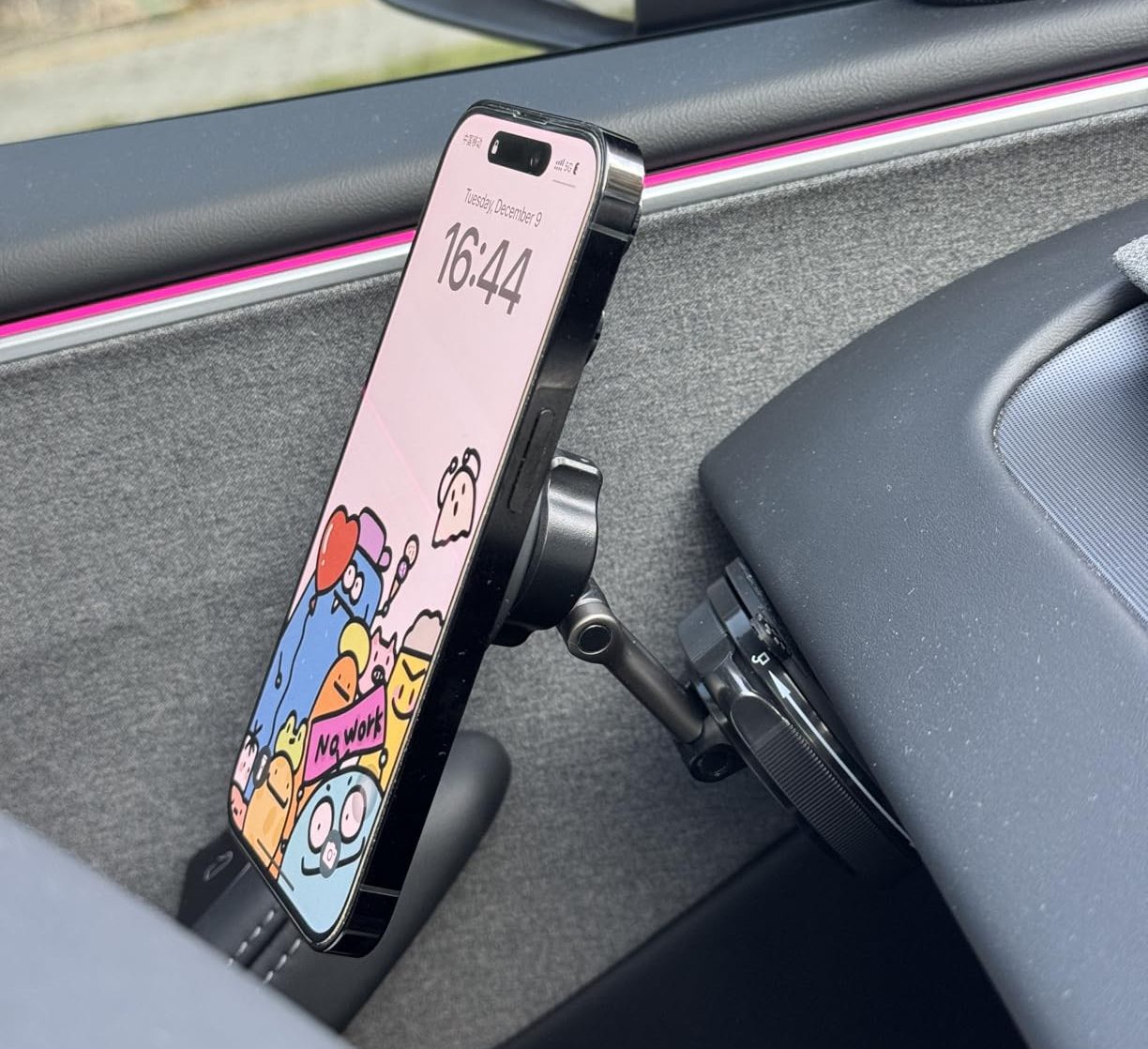
Dashboard phone mounts used to be afterthoughts for people who occasionally needed GPS. They became infrastructure once navigation apps replaced standalone devices entirely. The phone that used to stay in a pocket during drives became the primary interface for navigation, communication, and information.
Magnetic mounting eliminated the friction of clips and clamps that required two hands to engage. MagSafe compatibility meant phones attached with a single motion, which matters when drivers are trying to position devices while stationary before starting a trip. The fewer steps required, the less time spent managing the mount instead of driving.
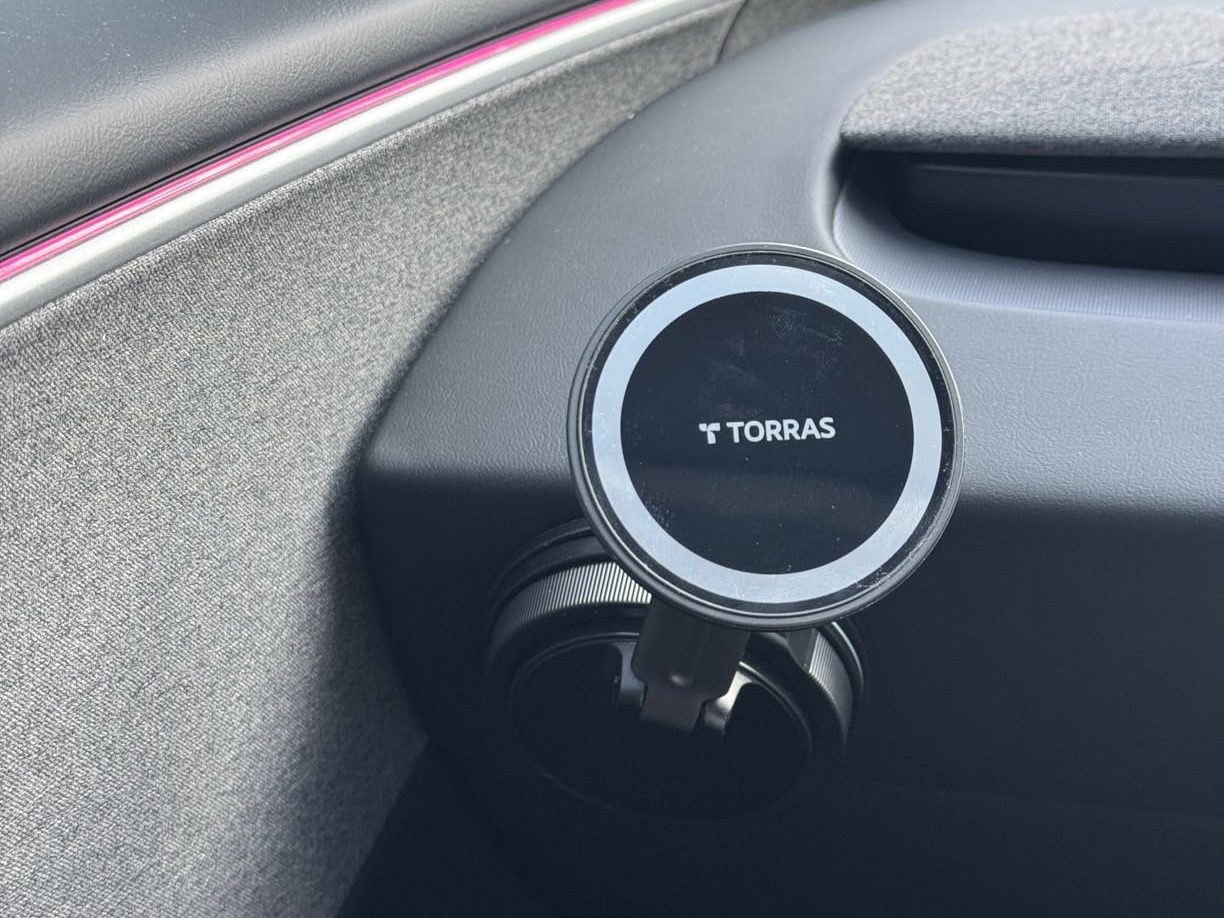
Suction strength determines whether mounts are temporary accessories or semi-permanent fixtures. Weak suction means constant readjustment. Strong suction means the mount stays put through temperature changes, rough roads, and dashboard vibrations. The difference between adequate and excessive suction pressure became meaningful once people started relying on mounted phones for every trip.
Positioning flexibility reflects how people actually use navigation. A mount that works for highway driving might be poorly angled for city intersections. Vertical orientation suits messaging apps while horizontal suits video content during parked moments. The ability to adjust without removing and remounting the phone reduces friction throughout different driving contexts.
CarPlay integration should have reduced the need for visible iPhones, but adoption remains incomplete. Older vehicles lack the feature entirely. Newer vehicles bundle it with trim levels some buyers don’t select. Rental cars rarely offer it. The result is that iPhone users can’t depend on CarPlay being available, making mounts essential rather than optional.
SIMILAR
Why iPhone users are carrying standalone noise machines instead of relying on sleep apps
Apple Watch charging became a bedside ritual, here's why the placement matters more than expected
iPhone users are quietly giving up the cable and most dont realize why it happened so gradually over time
Windshield versus dashboard placement creates different problems. Windshield mounts offer better sightlines but obstruct more forward vision. Dashboard mounts stay out of the way but require looking down, which increases the time eyes are off the road. Neither solution is ideal—both represent compromises necessitated by iOS navigation dependence.
The magnetic approach also reflects charging needs. Phones running navigation apps continuously drain battery faster than casual use. Mounts that integrate charging solve one problem but introduce cable management issues. Mounts without charging require users to accept battery depletion or connect cables manually.
Previously listed around $46, current listings for high-strength magnetic car mounts with multi-axis adjustment now appear closer to $30, suggesting strong demand for mounting solutions that accommodate iPhone-dependent driving patterns.
"Note: Readers like you help support The Apple Tech. We may receive a affiliate commission when you purchase products mentioned on our website."






