Wireless home monitoring promised seamless iOS integration, but many households now wrestle with alert overload and battery anxiety instead of break-ins.
There’s a predictable arc to adopting wireless outdoor security hardware in an Apple household. The first few days bring a dopamine rush of real-time notifications—every delivery driver, passing dog, and wind-blown branch announces itself on your Lock Screen. Then comes the creeping realization that your phone has become a motion detector’s bulletin board.
This tension doesn’t stem from product failure. The hardware performs exactly as engineered: motion triggers recording, recording triggers push notification, notification demands attention. For iPhone users accustomed to curating their notification stack with surgical precision, the sudden influx feels less like peace of mind and more like a second job.
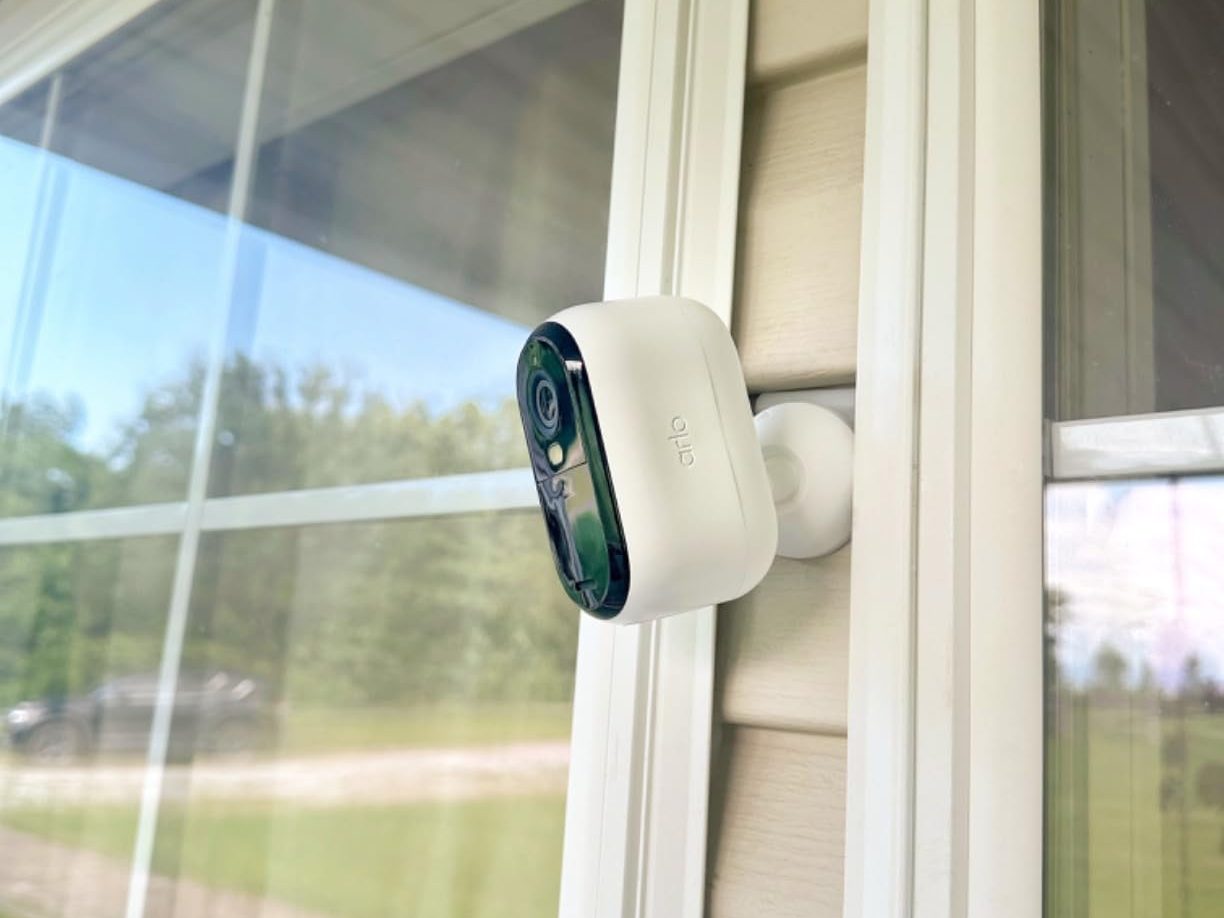
Battery management enters the equation shortly after. Wireless means no hardwiring, which sounds liberating until you’re monitoring charge percentages through an app during a cold snap. The same ecosystem that automated software updates and screen time reports now asks you to manually track power consumption on a device you installed specifically to reduce manual effort.
Night vision introduces its own behavioral quirk. Color imaging in low light eliminates the grainy, noir-style footage users tolerate from older systems, but it also reveals how much nocturnal activity fills a typical suburban yard. Raccoons, moths circling porch lights, and the neighbor’s cat become high-definition events. The clarity feels impressive for about forty-eight hours.
SIMILAR
How iPhone owners navigate the reality that gaming peripherals treat Apple devices as secondary platforms
How iPad Pro photographers created workarounds for a fundamental file transfer limitation Apple never quite solved
How iPhone users negotiate the nightly ritual of charging five devices from a single nightstand footprint
Two-way audio capabilities sit largely dormant in most installations. The fantasy involves shouting at porch pirates from a vacation rental three states away. The reality involves forgetting the feature exists until a firmware update mentions it in release notes. Talking through a doorbell or camera requires a specific kind of confrontational energy most people reserve for hypothetical scenarios, not actual Tuesday afternoons.
Spotlight activation—motion-triggered illumination—creates an unexpected social dynamic. Neighbors notice when your hardware lights them up during evening dog walks. Some wave. Others quicken their pace. A few leave notes asking if everything’s okay, because surely only someone dealing with serious concerns would floodlight their own driveway at 9 PM.
The long-term ecosystem question isn’t whether the technology integrates with iOS—it does, flawlessly—but whether the integration itself becomes the friction point. Home security used to mean forgetting the system existed until something went wrong. Now it means training yourself to ignore dozens of notifications daily, or spending weekend hours tweaking motion zones in an app, trying to teach a camera the difference between a threat and a squirrel. Previously listed at $99.99, current listings hover around $35.99.
"Note: Readers like you help support The Apple Tech. We may receive a affiliate commission when you purchase products mentioned on our website."