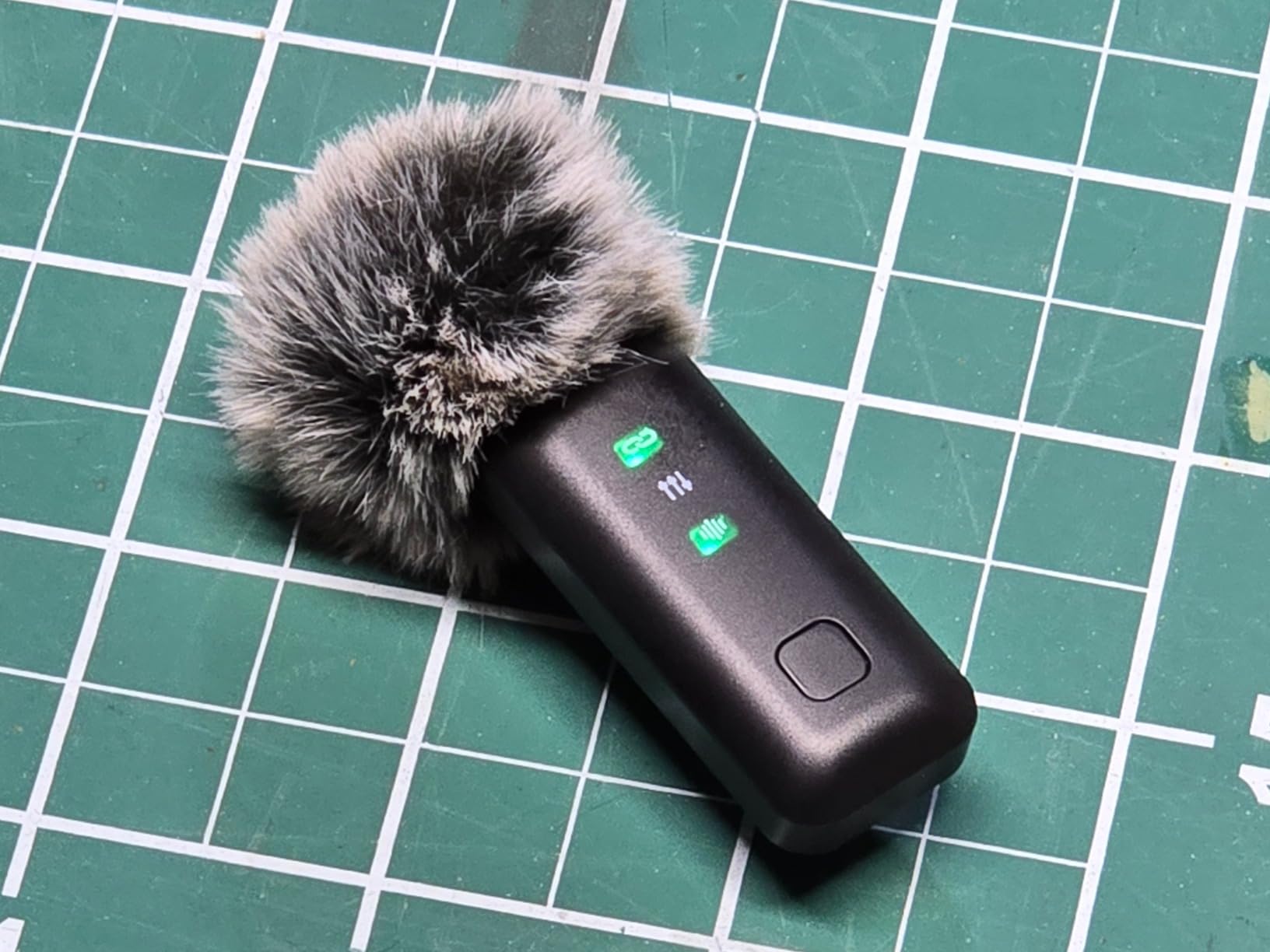
For years, iPhone video recording came with an acoustic compromise. The built-in microphone captured usable audio in controlled environments, but any distance, movement, or ambient noise degraded quality rapidly. External microphones solved this, but they introduced cables—tethering the subject to the phone, limiting movement, and creating visible clutter in the frame. Wireless lavalier microphones have existed for some time, but only recently have they become small and affordable enough to shift from professional gear to everyday tools.
The behavioral change is most visible among casual content creators who once accepted poor audio as an unavoidable tradeoff. The iPhone’s camera quality has reached a level where visual fidelity is no longer the bottleneck—audio is. Viewers tolerate imperfect lighting or composition, but they abandon content with muffled or inconsistent sound. The wireless microphone addresses this gap without requiring users to learn complex audio setups or carry bulky equipment.
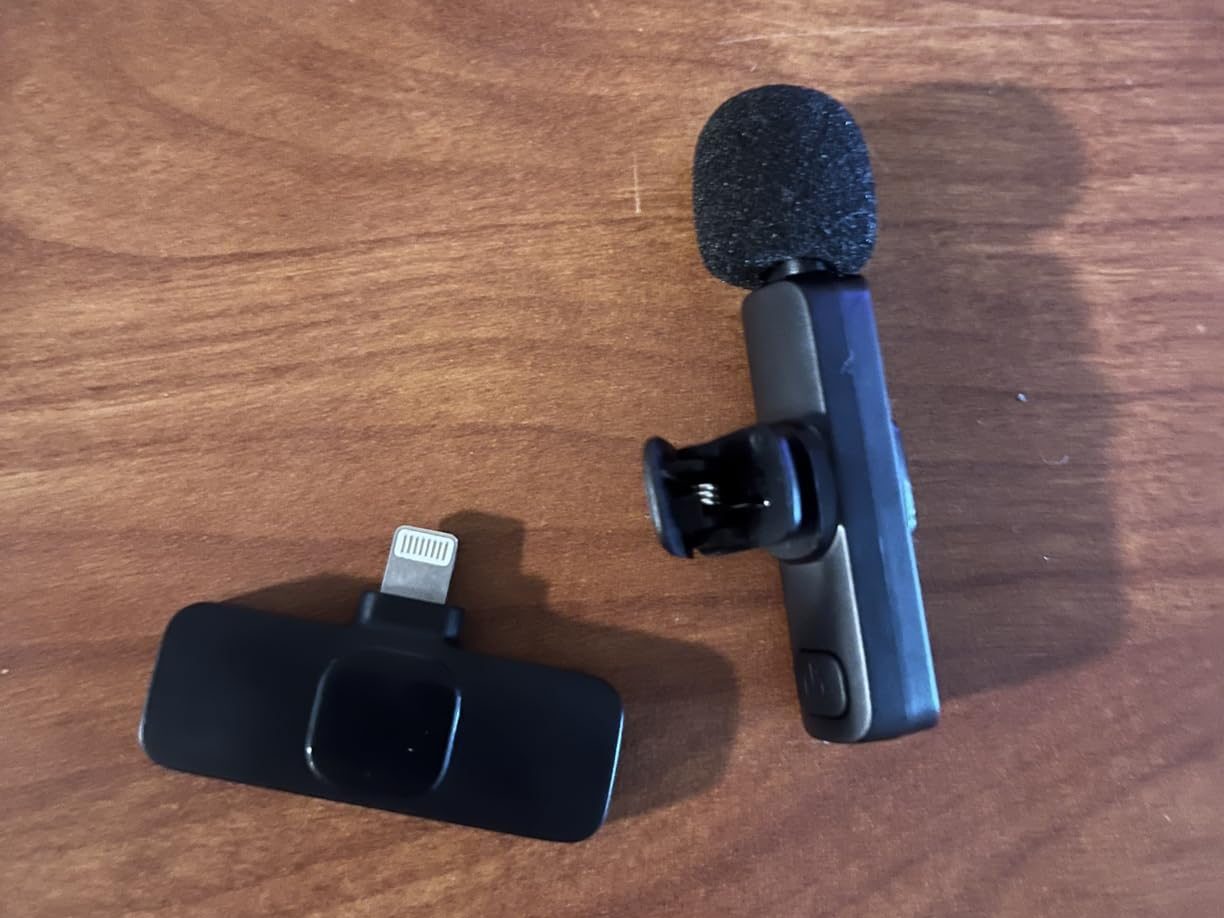
What makes this shift significant is how it changes the relationship between the iPhone and the recording subject. A wired microphone keeps the phone close, limiting shot variety and forcing the camera operator to remain within cable range. A wireless microphone decouples these constraints. The subject can move freely, the phone can be positioned at a distance, and the audio remains clear. This doesn’t just improve quality—it expands the types of content that feel feasible to create with an iPhone alone.
The miniaturization of these devices has been critical. Early wireless lavalier systems were conspicuous, often clipped visibly to clothing or requiring bulky transmitter packs. Current models are small enough to hide in a collar or behind a shirt, making them nearly invisible in casual video work. This matters because content creators increasingly prioritize natural presentation over technical visibility. The microphone solves a problem without announcing its presence.
SIMILAR
Why iPhone users are carrying standalone noise machines instead of relying on sleep apps
Apple Watch charging became a bedside ritual, here's why the placement matters more than expected
iPhone users are quietly giving up the cable and most dont realize why it happened so gradually over time
The plug-and-play nature of these systems has also lowered the learning curve. Many models connect directly to the iPhone’s Lightning or USB-C port, requiring no app configuration or manual pairing. The phone recognizes the input automatically, and recording apps default to the external source. This frictionless integration removes a barrier that once kept these tools in the domain of professionals who were willing to troubleshoot connectivity issues.
The shift also reflects changing expectations around content quality. What once required a dedicated camera, separate audio recorder, and post-production syncing can now be accomplished with an iPhone and a single wireless microphone. The gap between amateur and professional production values hasn’t disappeared, but it has narrowed to the point where the difference is often imperceptible to casual viewers. The wireless microphone is one of the final pieces in that convergence.
The broader implication is that the iPhone is no longer just a capture device—it’s becoming a complete production system. Each peripheral that connects wirelessly, integrates seamlessly, and operates invisibly reinforces the sense that the iPhone can handle serious creative work without requiring a surrounding ecosystem of specialized gear. The wireless microphone isn’t an accessory—it’s a validation of that shift.
Previously listed near $15, current listings of these compact wireless lavalier models with USB-C compatibility now appear closer to $10, reflecting both competitive pricing and the normalization of wireless audio as a standard expectation for iPhone-based content creation.
"Note: Readers like you help support The Apple Tech. We may receive a affiliate commission when you purchase products mentioned on our website."