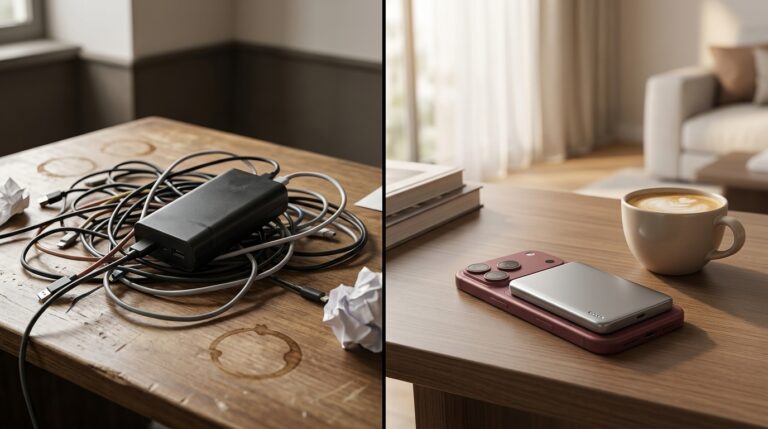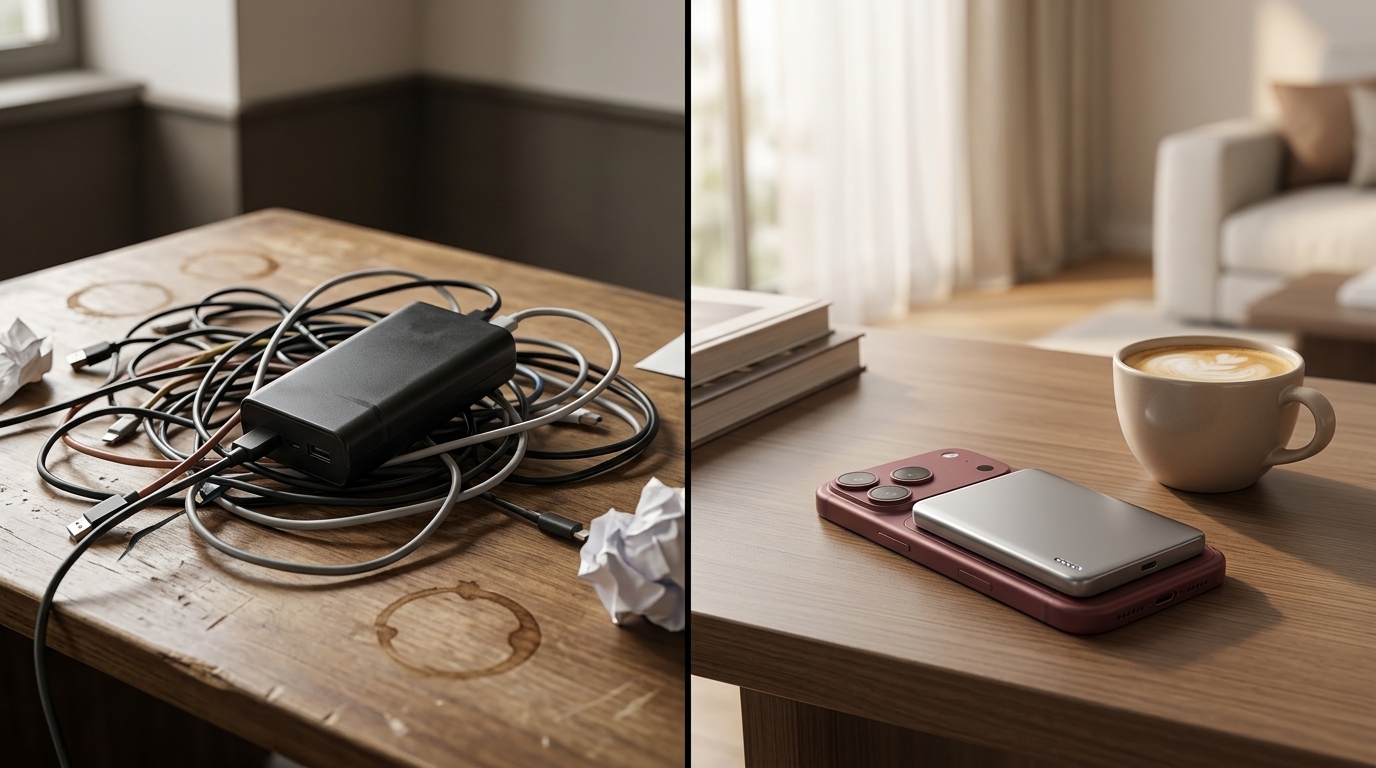


The MacBook charger was once a dedicated piece of hardware—a single cable, a single brick, designed exclusively for one device. That model is dissolving. More users are now replacing their original chargers with multi-port alternatives that can power a MacBook, phone, and tablet simultaneously from a single outlet. The shift isn’t about convenience alone. It reflects a deeper change in how people structure their workspace power management.
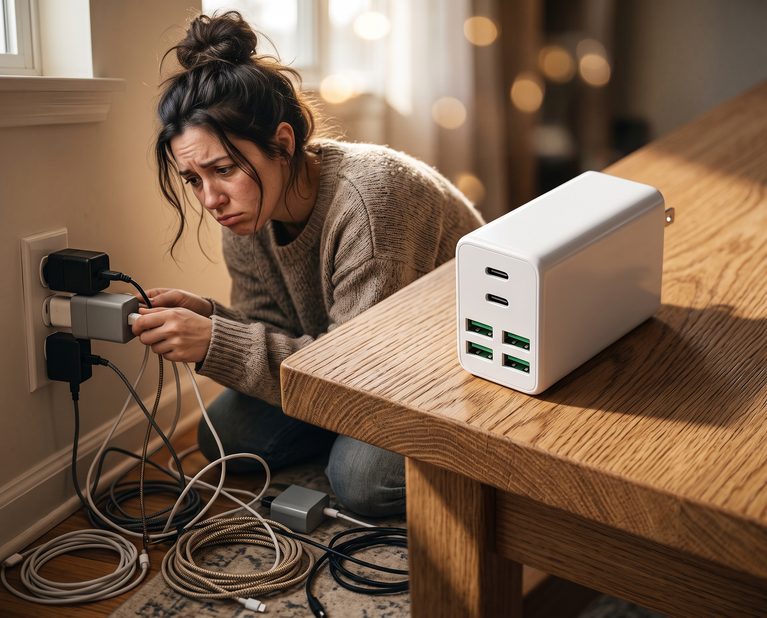
The original Apple charger assumes the MacBook exists in isolation, or at least that it deserves priority access to an outlet. But most users no longer work with just one device. The iPhone sits nearby, the iPad might be charging on the desk, and a pair of wireless earbuds needs periodic power. Each device once had its own charger, its own cable, its own claim to an outlet. That fragmentation has become untenable as outlet availability remains static while device count climbs.
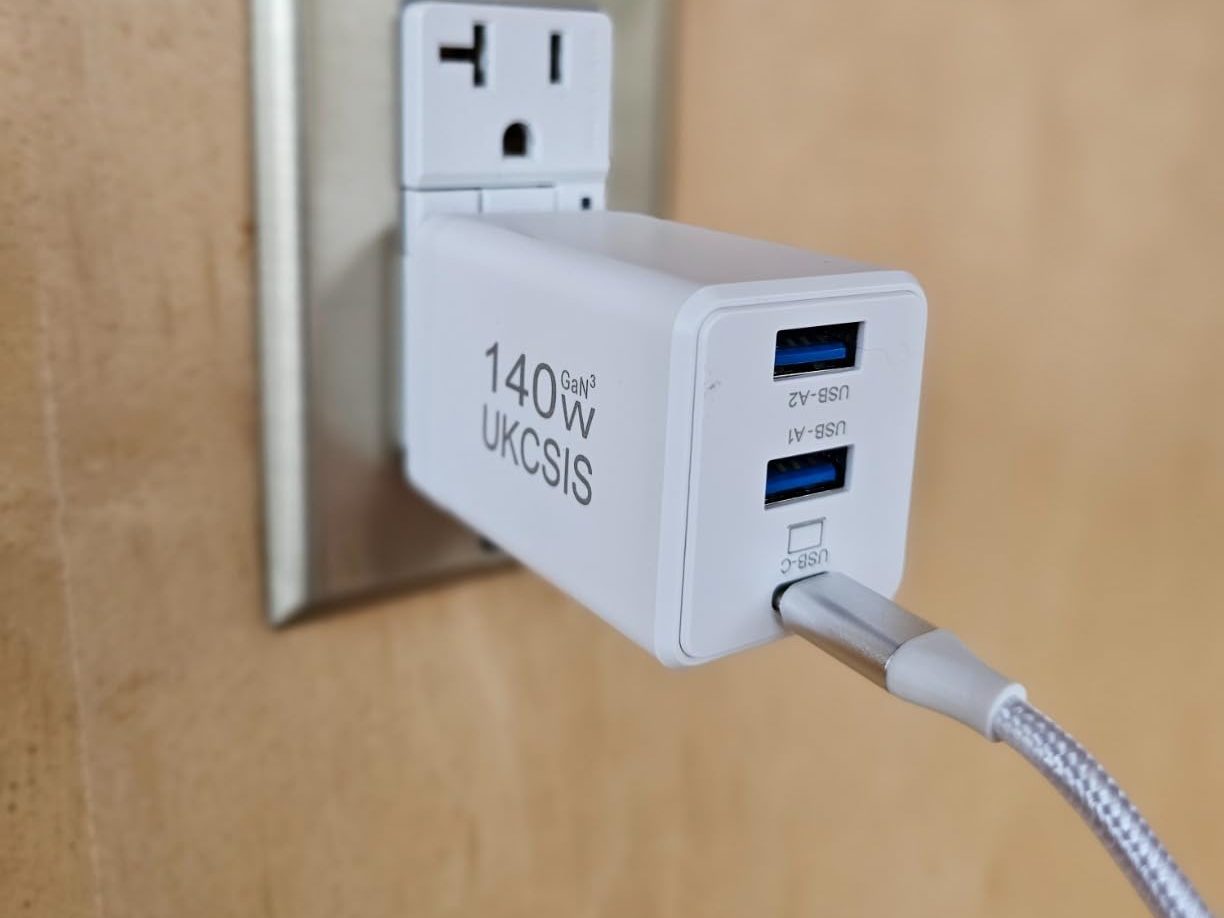
Multi-port chargers collapse this sprawl into a single unit. Users can power everything from one source, reducing cable clutter and freeing up outlets for other needs. But the behavioral shift runs deeper than organization. It represents a rejection of Apple’s device-centric charging philosophy in favor of a system where power is pooled and distributed based on immediate need rather than product hierarchy.
What’s notable is the speed at which users have adopted this approach. Apple has historically controlled the charging experience through proprietary designs and carefully calibrated power outputs. But the rise of USB-C and Power Delivery standards has democratized charging infrastructure. Users no longer feel compelled to use Apple’s charger simply because it came with the device. They’re evaluating power sources based on output, port count, and footprint—criteria that prioritize workflow efficiency over brand loyalty.
SIMILAR
Why iPhone users are carrying standalone noise machines instead of relying on sleep apps
Apple Watch charging became a bedside ritual, here's why the placement matters more than expected
iPhone users are quietly giving up the cable and most dont realize why it happened so gradually over time
This shift also reveals tension between portability and functionality. Apple’s chargers are compact and travel-friendly, but they’re optimized for single-device use. Multi-port alternatives are often bulkier, but they eliminate the need to pack multiple chargers when traveling with more than one device. Users are choosing the latter, accepting the size tradeoff in exchange for consolidation. The MacBook charger is no longer the lightest option in the bag—it’s the one that powers everything.
The foldable plug design has accelerated this transition. Early multi-port chargers were blocky and awkward, taking up excessive outlet space and tangling with adjacent plugs. Newer models with foldable prongs reduce that friction, making them nearly as portable as Apple’s original while offering significantly more versatility. The physical barrier to adoption has collapsed, and user behavior has followed.
The broader implication touches on ecosystem control. Apple has long used charging as a point of integration—MagSafe, Lightning, and now USB-C all serve to reinforce the relationship between device and accessory. But when users opt for third-party multi-port chargers, they’re stepping outside that ecosystem, even if only partially. The MacBook still charges, but it’s no longer the sole beneficiary of the power brick. The charger becomes neutral infrastructure rather than an Apple-specific tool.
Previously listed near $56, current listing of these three-port models with outputs sufficient for MacBook Pro now appear closer to $39, reflecting both competitive pressure and the normalization of multi-device charging as the expected standard rather than a premium feature.
"Note: Readers like you help support The Apple Tech. We may receive a affiliate commission when you purchase products mentioned on our website."