There’s a growing tension in how people use their MacBooks away from home. The device itself promises mobility, but the anxiety around battery depletion has always imposed a invisible tether. Users plan their days around outlet availability, choose cafe seats based on proximity to power, and carry charging bricks that add weight to what’s supposed to be a portable setup.
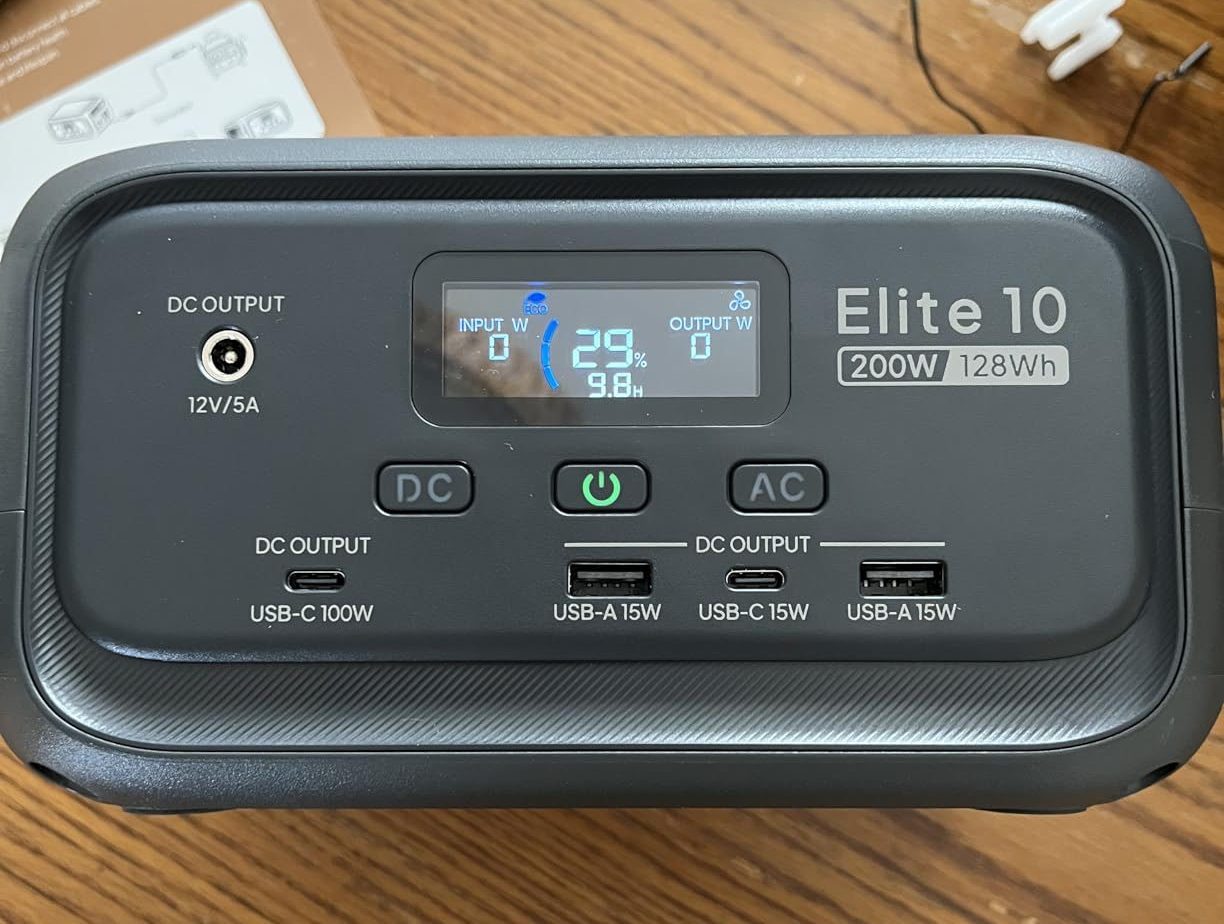
What’s shifting now is the threshold at which people feel comfortable disconnecting entirely. A new category of compact battery packs designed for air travel is allowing MacBook users to extend work sessions in places where outlets don’t exist or aren’t convenient. These aren’t the massive portable generators meant for camping trips. They’re smaller, flight-approved units that slip into a backpack and provide just enough power to bridge the gap between locations.
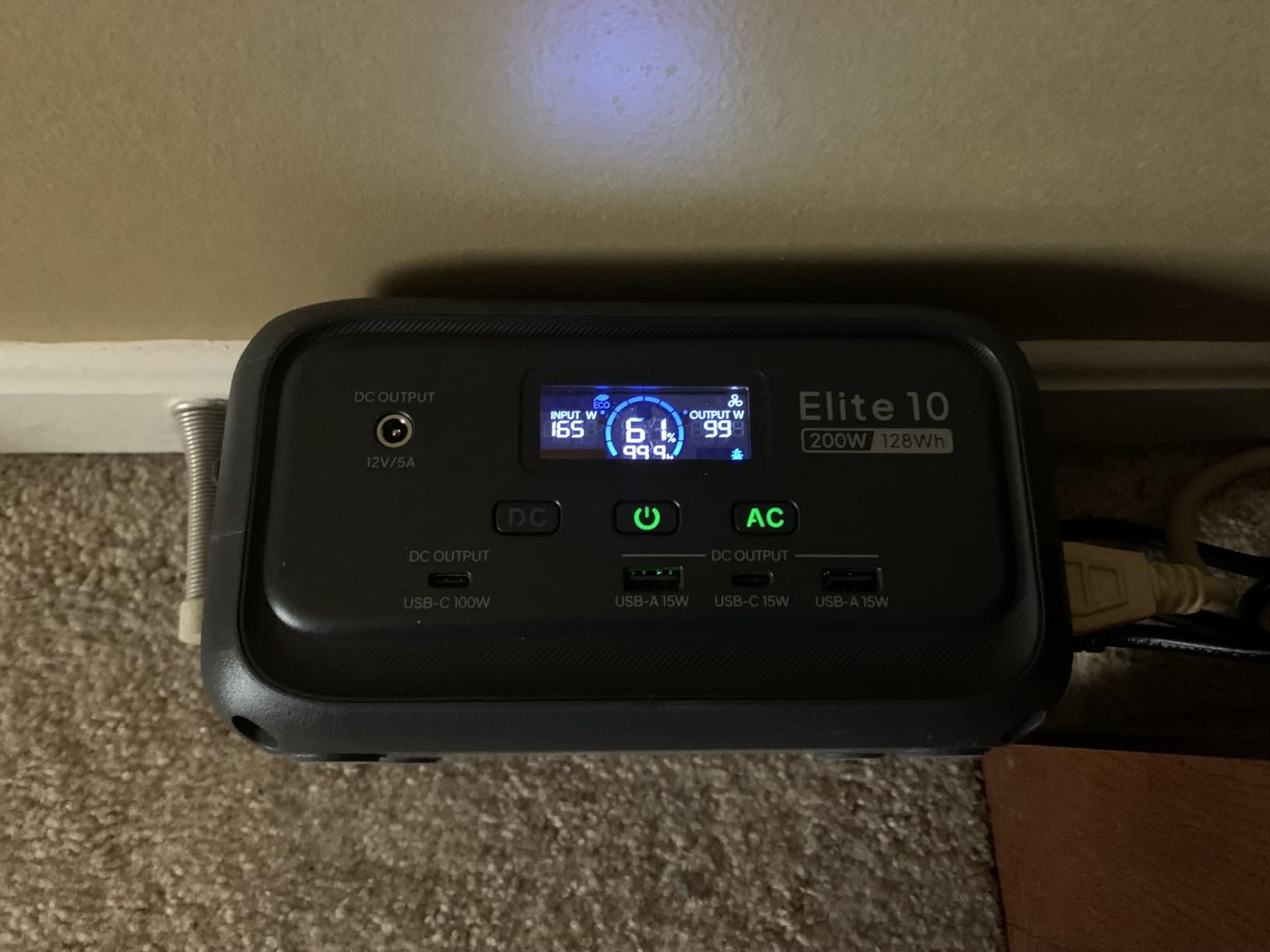
The behavioral change isn’t about working longer. It’s about working differently. Users report feeling less constrained by geography within their own routines. A coffee shop without available outlets becomes viable again. A park bench transforms from a brief email-checking spot into a legitimate work location. The calculus of where work can happen is being quietly recalculated.
This touches on something specific to the MacBook experience. Apple’s devices have always emphasized battery life as a feature, but real-world usage rarely matches laboratory conditions. Screen brightness, video calls, and background processes drain power faster than anticipated. The gap between promised endurance and actual endurance has created a persistent low-level anxiety that shapes behavior in subtle ways.
SIMILAR
Why iPhone users are carrying standalone noise machines instead of relying on sleep apps
Apple Watch charging became a bedside ritual, here's why the placement matters more than expected
iPhone users are quietly giving up the cable and most dont realize why it happened so gradually over time
Carrying supplemental power changes the psychological contract with the device. It’s no longer about maximizing efficiency to preserve battery. It’s about assuming power will be available when needed, which more closely mirrors how people use their phones. That shift in assumption alters workflows, risk tolerance, and even posture toward deadlines.
The friction now lives elsewhere. Adding another object to a bag reintroduces the weight problem Apple spent years minimizing. Remembering to charge both the MacBook and the battery pack creates a new routine. And there’s the question of whether this solution is compensating for a design limitation or simply expanding what’s possible.
What matters is that the behavior is spreading without much fanfare. Users aren’t announcing it. They’re just doing it. The MacBook is still the same device, but the range of environments where it feels usable has expanded in ways that feel both practical and slightly fraught.
Previously listed around $200, current listings for these compact power stations now hover closer to $110.
"Note: Readers like you help support The Apple Tech. We may receive a affiliate commission when you purchase products mentioned on our website."