Apple Pencil is a marvel of engineering. Pressure sensitivity, tilt detection, palm rejection, magnetic attachment, wireless charging—it’s the most sophisticated stylus ever built for a consumer tablet. It’s also $129, and it’s easy to lose.
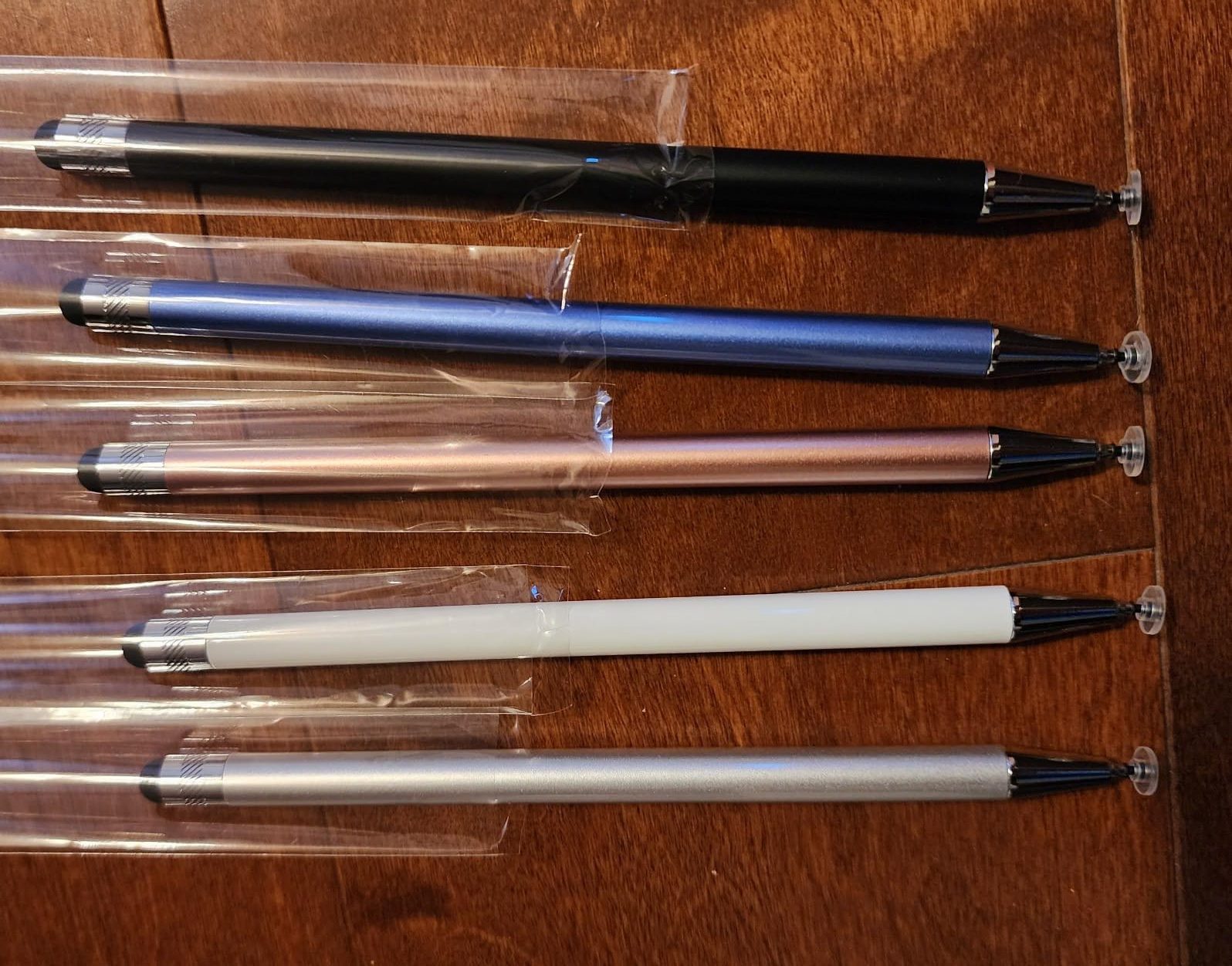
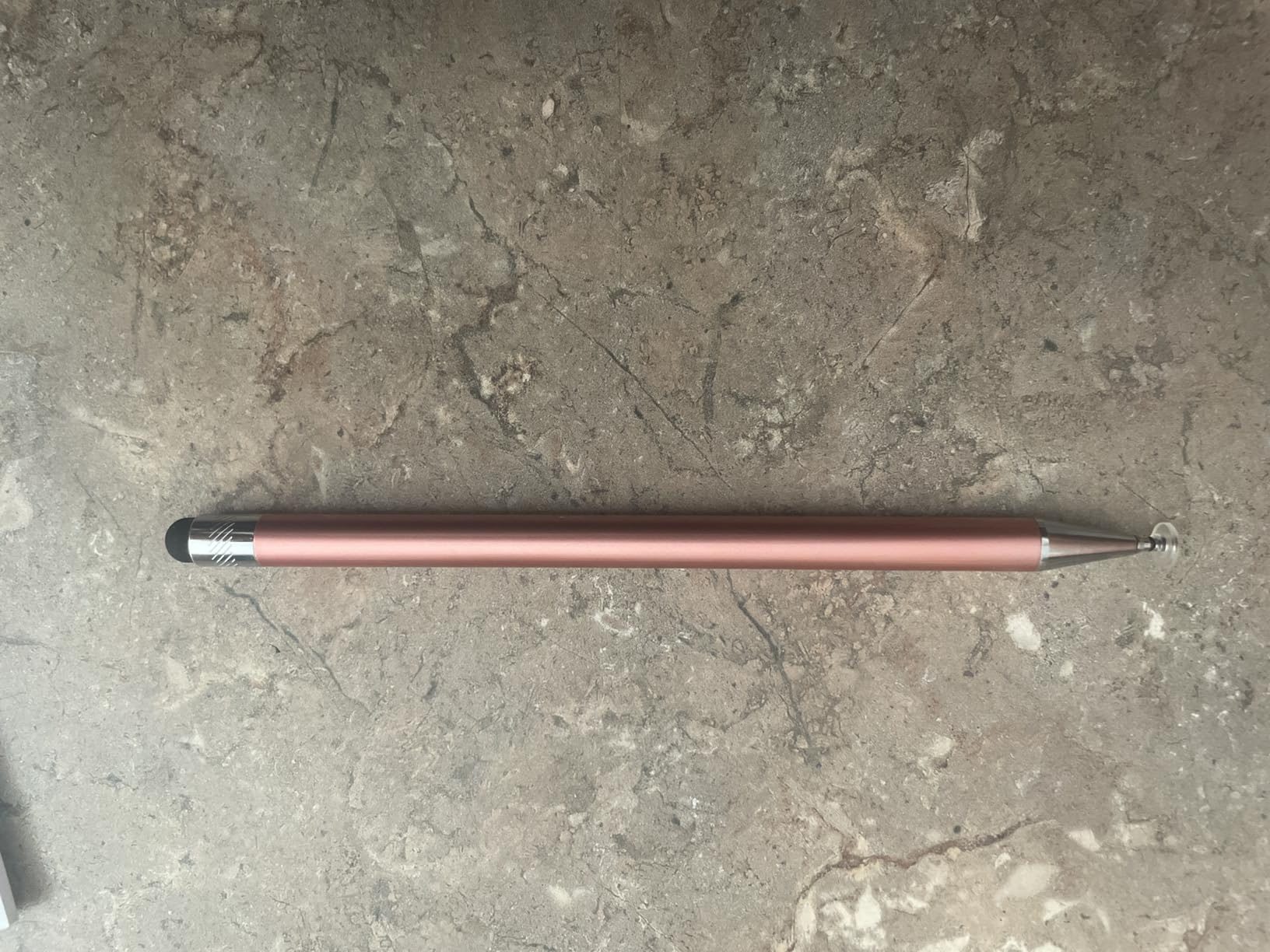
For users who want handwriting without that investment, a different ecosystem has emerged: five-packs of generic styluses, sold for under $10, designed to be scattered across contexts. One stays in a backpack. One lives in the car. One sits in a desk drawer at work. Two are spares, waiting for the inevitable moment when the first three disappear.
This behavior reflects a tension Apple doesn’t acknowledge. The iPad supports handwriting input, but it assumes users will commit to a premium stylus that costs more than some entire tablets. For students, casual note-takers, or anyone who wants the option of writing without the obligation of protecting a $129 accessory, the math doesn’t close.
The generic stylus doesn’t do everything Apple Pencil does. It doesn’t detect pressure. It doesn’t tilt. It won’t magnetically attach or charge wirelessly. But it registers touch, it works across apps, and when it vanishes into the couch cushions, the loss registers as mild inconvenience, not financial trauma.
SIMILAR
iPhone and MacBook users are compensating for a port problem Apple created
iPhone users are eliminating the tangled cable from every car charging session
iPhone users are transforming nightstands into silent charging infrastructure
What’s interesting is how this mirrors the broader Apple ecosystem pattern: the company builds premium solutions for committed users, leaving a gap for everyone else. The gap gets filled by third-party manufacturers who build disposable, lower-fidelity versions of Apple’s vision—good enough to enable the behavior, not good enough to match the experience.
iPad adoption in education, in particular, hinges on this gap. Schools can afford iPads. They cannot afford to replace lost Apple Pencils at scale. The five-pack stylus becomes the compromise—functional handwriting input without the ecosystem lock-in.
Previously listed at $13.99, current listings hover around $9.98 for five units. That pricing reflects the stylus’s status as a consumable, not an investment.
The stylus becomes a disposable tool, kept in bags, cars, and desk drawers, ready to be lost and replaced without financial regret. It’s the antithesis of Apple’s design philosophy, yet it’s how a meaningful portion of iPad owners actually engage with handwriting.
"Note: Readers like you help support The Apple Tech. We may receive a affiliate commission when you purchase products mentioned on our website."