

The shift to USB-C opened an unexpected pathway for iOS devices to bypass wireless networks entirely, revealing priorities around connection stability that mobile-first design had obscured.
The iPhone attached to an ethernet cable is a strange sight, but for users transferring large files or troubleshooting network issues, it’s become a practical workaround. Apple designed the iPhone around wireless connectivity—cellular and WiFi have always been the assumed pathways for data. The USB-C port on the iPhone 15 and later models, however, supports peripherals in ways Lightning never did. That includes wired networking, a capability most iPhone users will never need but some have discovered solves problems wireless connections can’t.
The use cases are narrow but real. Photographers moving gigabytes of ProRes video from an iPhone 16 Pro to network storage find that WiFi, even on fast networks, introduces wait times that wired connections eliminate. Remote workers troubleshooting home network issues need a way to isolate whether the problem is with their router or their ISP, and plugging directly into a modem via ethernet provides immediate clarity. These aren’t daily scenarios, but they’re common enough that the adapter market exists.
Apple’s own accessory line doesn’t include an ethernet adapter for iPhone. The company sells one for iPad, acknowledging that tablet users sometimes need wired connectivity, but the iPhone has been left to third-party manufacturers. The message seems clear: this isn’t a priority use case, and users who need it can solve it independently. The adapters themselves are small, functional, and unremarkable—dongles in the most literal sense.
MacBook users have carried ethernet adapters for years, a necessity as Apple removed physical ports in favor of slim profiles and wireless-first assumptions. The iPhone inheriting this same dynamic feels both inevitable and slightly absurd. The device fits in a pocket but now, in specific circumstances, requires a dongle to access wired networks. It’s the mobility-versus-functionality tradeoff playing out at a smaller scale.
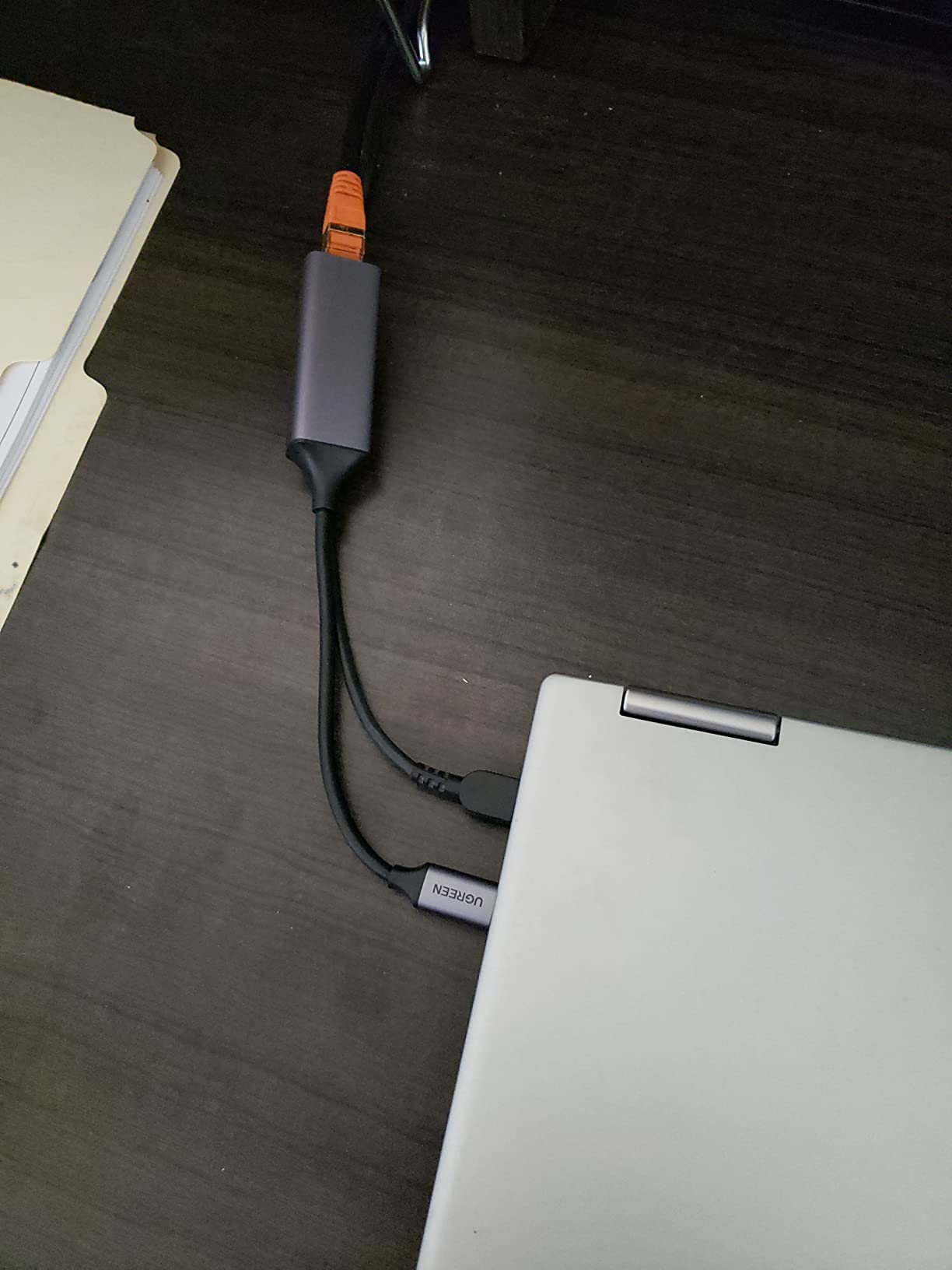
The behavior this enables isn’t elegant. An iPhone tethered to a wall via ethernet and power loses the essential characteristic that defines it: portability. But the users who reach for this solution aren’t prioritizing mobility in that moment. They’re prioritizing speed or reliability, and they’re willing to temporarily sacrifice what makes the iPhone an iPhone to get it. The adapter makes this possible without requiring them to switch to a laptop or desktop.
Thunderbolt compatibility means the same adapter works across the Apple ecosystem—iPhone, iPad, MacBook. This universality is practical but also reinforces how much of Apple’s current product line shares the same port and the same assumptions about connectivity. USB-C collapsed distinctions between device classes, and accessories like ethernet adapters are one result. They serve whoever needs them, regardless of whether the device is a phone, tablet, or computer.
Previously listed at $14.99, current listings hover around $8.99(CODE NHRUD7K7) for aluminum-cased USB-C to ethernet adapters supporting gigabit speeds and Thunderbolt compatibility. The pricing reflects a mature accessory category where differentiation is minimal and user demand remains consistent but not widespread.
"Note: Readers like you help support The Apple Tech. We may receive a affiliate commission when you purchase products mentioned on our website."