
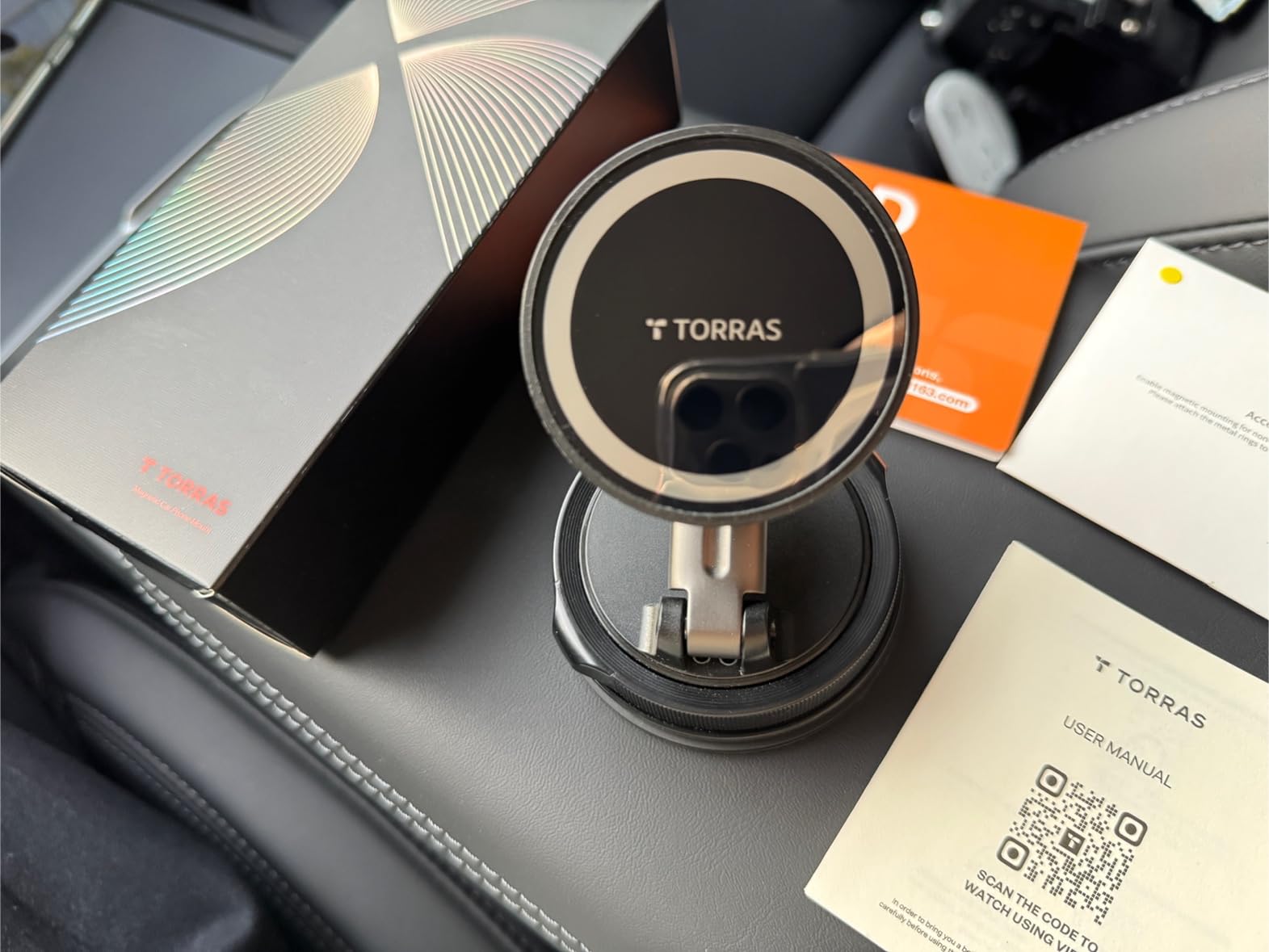
The suction cup is always under suspicion, even when it’s holding perfectly. No matter how many pounds of pull force a windshield mount claims—98, 100, 120—the user never fully trusts it. Every bump in the road, every hard brake, every pothole triggers a micro-glance toward the phone, checking that it’s still there.
This anxiety isn’t irrational. Suction cups fail. They lose grip in extreme heat. They detach in freezing cold. They work perfectly for months, then suddenly give out on a random Tuesday afternoon. The physics are sound, but the trust is fragile.
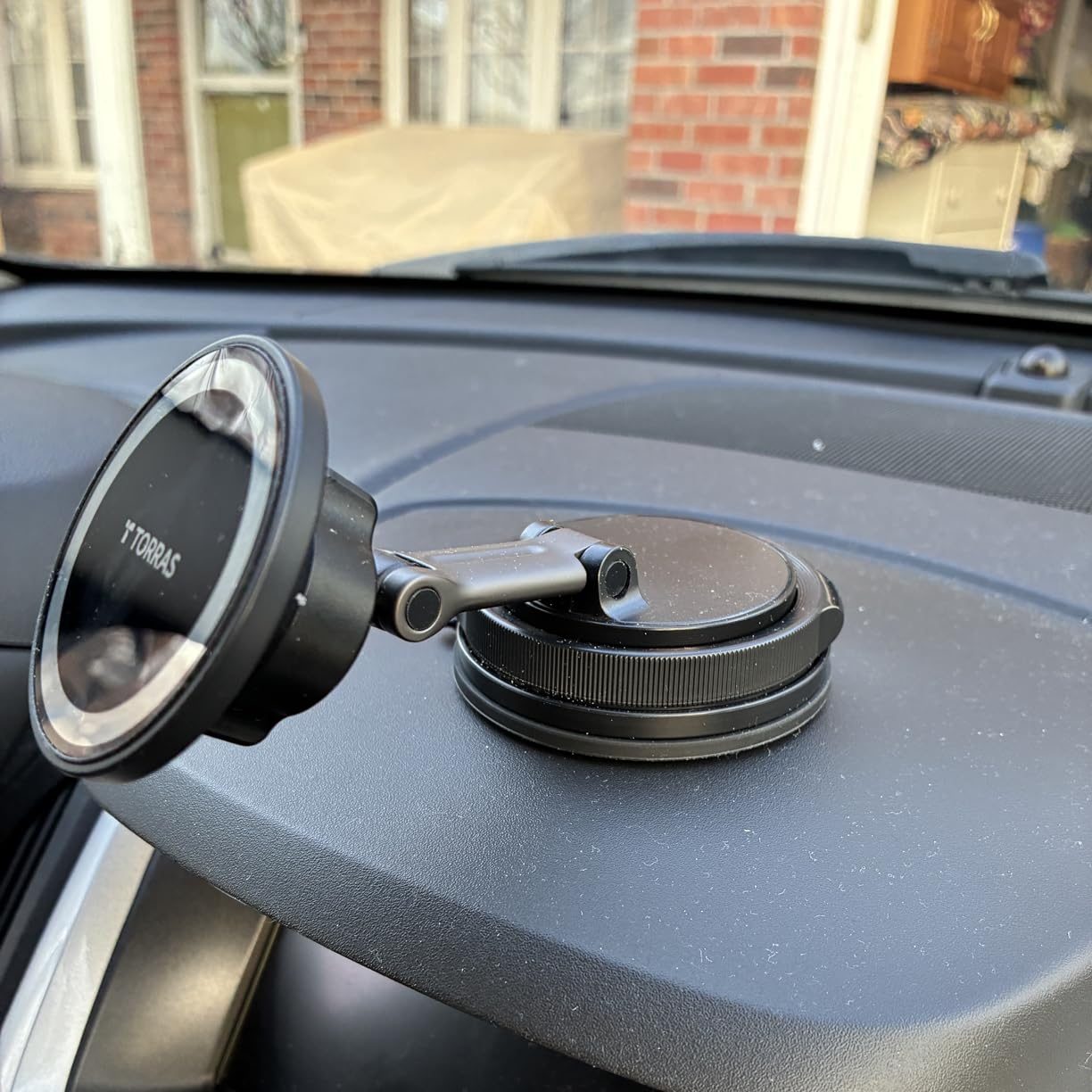
For iPhone users who’ve adopted MagSafe, the windshield mount is a high-stakes accessory. The phone is expensive. The mount is positioned over the dashboard, or worse, over the passenger seat. If the suction fails, the phone doesn’t just fall—it launches, potentially into the footwell, into the cupholder, onto the floor at highway speed.
This has led to a strange set of behaviors. Some users test the mount every time they get in the car, giving it a firm tug before driving off. Others avoid using the windshield mount on long trips, opting instead for dashboard or vent mounts that feel more secure, even if less visible. A few have abandoned windshield mounts entirely, citing one traumatic detachment as reason enough to never go back.
What’s interesting is that the magnetic connection—the MagSafe part—is rarely the point of failure. The magnets hold. It’s the suction cup, the oldest part of the design, that remains the weak link. The mount manufacturers know this. They’ve responded with dual suction cups, reinforced gel pads, and claims of “industrial-grade adhesion.” But the fear persists.
This creates a paradox. The windshield mount offers the best viewing angle for navigation, the least obstruction of air vents, and the cleanest integration into the car’s interior. But it also requires the user to place faith in a component that has, historically, been unreliable. The mount works until it doesn’t, and the user is left waiting for that moment, even if it never comes.
Previously listed at $45.99, current listings hover around $28.98. The discount doesn’t address the trust issue. No amount of engineering claims can fully eliminate the mental load of wondering, every time you hit a speed bump, whether this will be the time the suction finally gives out.
"Note: Readers like you help support The Apple Tech. We may receive a affiliate commission when you purchase products mentioned on our website."