

Users are protecting the camera array with the same urgency they once reserved for screens. The lens cluster has become a vulnerability people plan around.
The iPhone Pro Max camera system juts out far enough that it wobbles when placed flat on a table. It’s been this way for years, but the behavior around it has changed. People used to accept the wobble. Now they’re buying cases specifically engineered to eliminate it.
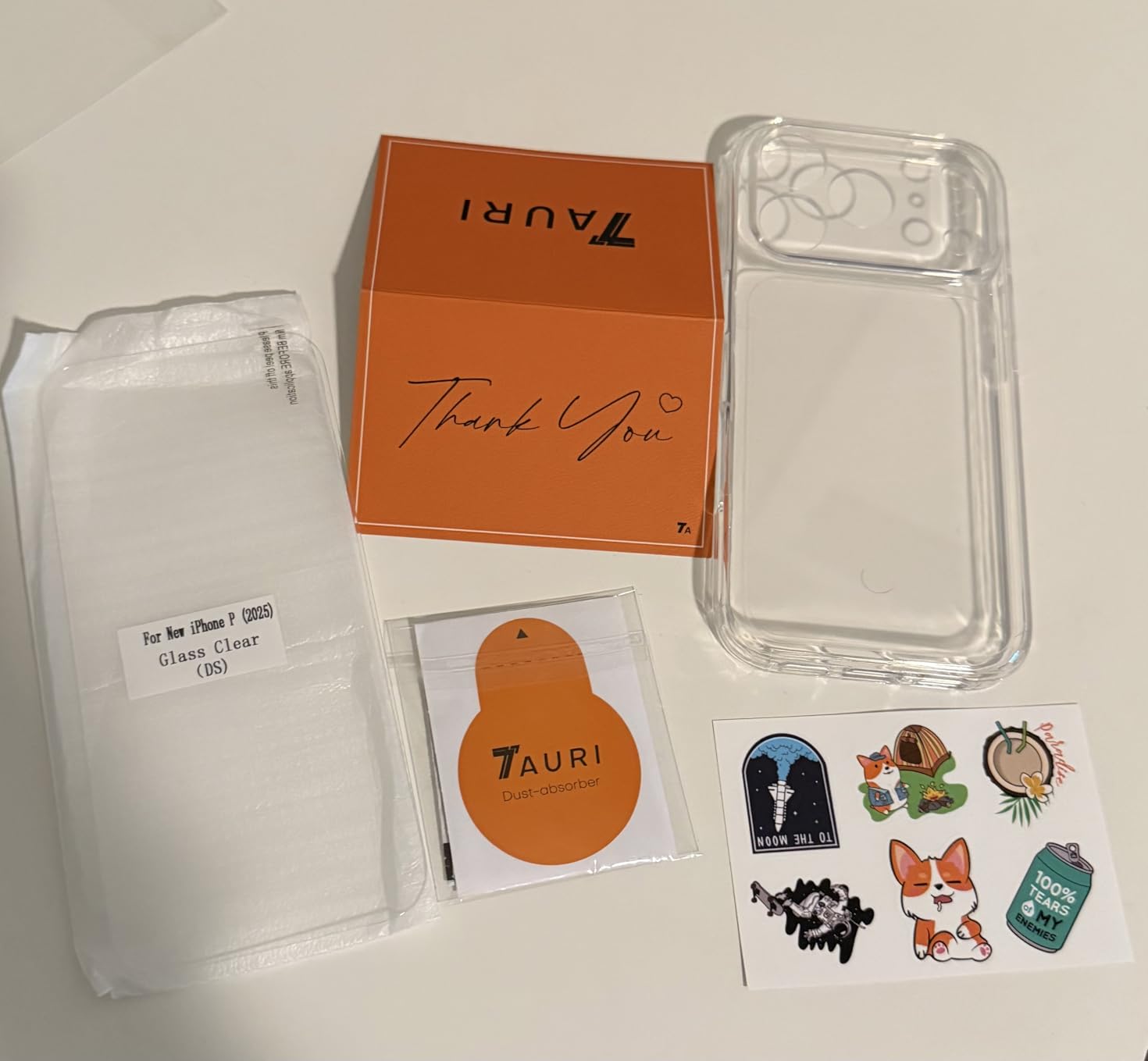
Full camera protection has become a listed feature, not an afterthought. Cases advertise raised bezels around the lens cluster, sometimes with individual rings for each camera. The goal is to create a buffer zone, a millimeter or two of plastic or silicone that sits between the glass and whatever surface the phone lands on.
The camera bump sits higher than the screen now, which means it takes the impact first—and people have started treating it accordingly. A cracked lens costs more to replace than a cracked screen, and AppleCare doesn’t erase the inconvenience. The case is preventive infrastructure.
Screen protectors are included with some cases now, bundled as part of a complete protection system. It’s a packaging shift that reflects how people think about risk. The screen and the camera are both glass, both exposed, both expensive to fix. Protecting one without the other feels incomplete.
Anti-yellowing has become a selling point for clear cases, which suggests people are holding onto them longer. A case that turns amber after six months gets replaced. One that stays transparent becomes invisible, in the best sense—it stops being something you notice and starts being something you forget is there.
SIMILAR
How iPhone owners navigate the reality that gaming peripherals treat Apple devices as secondary platforms
How iPad Pro photographers created workarounds for a fundamental file transfer limitation Apple never quite solved
How iPhone users negotiate the nightly ritual of charging five devices from a single nightstand footprint
Military-grade drop protection is a claim that’s hard to verify, but it’s become standard language. Whether the case actually meets military specs is almost beside the point. The phrase signals that the case was designed with impact in mind, and that’s enough to shift perception.
Slim cases are preferred, even when protection is the priority. No one wants bulk, even in exchange for safety. The ideal case is one that adds protection without adding presence, a paradox the market is still trying to resolve. Current listings for clear, camera-protecting cases with screen protectors included hover around $5.99.
What’s surfacing isn’t just about the Pro Max. It’s about how design choices—thinner phones, larger camera sensors, protruding glass—create friction that users then spend money to resolve. The case isn’t fixing a flaw. It’s compensating for a trade-off Apple made years ago.
"Note: Readers like you help support The Apple Tech. We may receive a affiliate commission when you purchase products mentioned on our website."