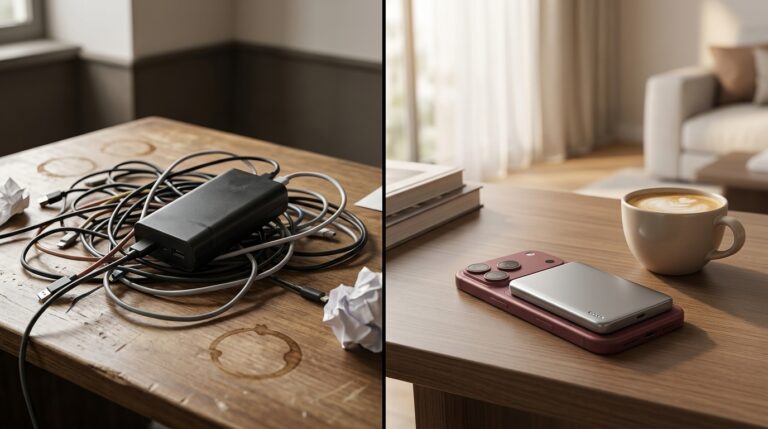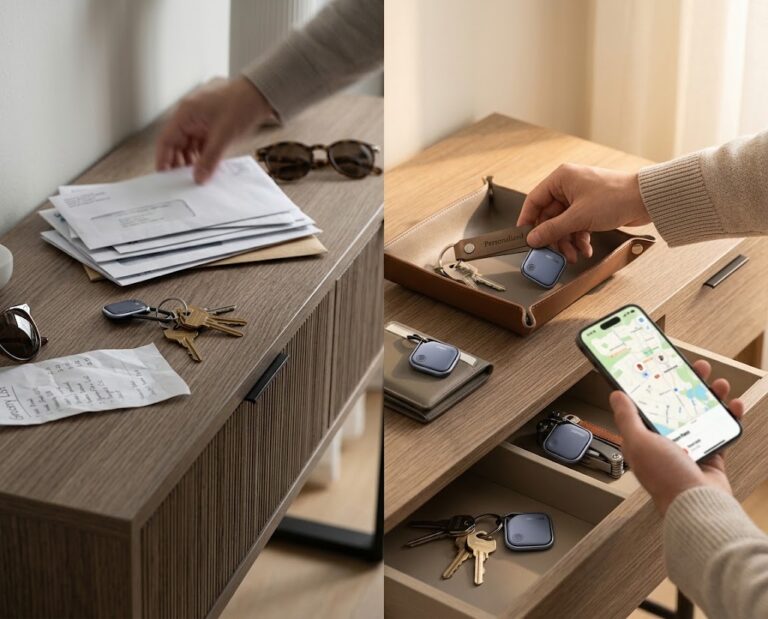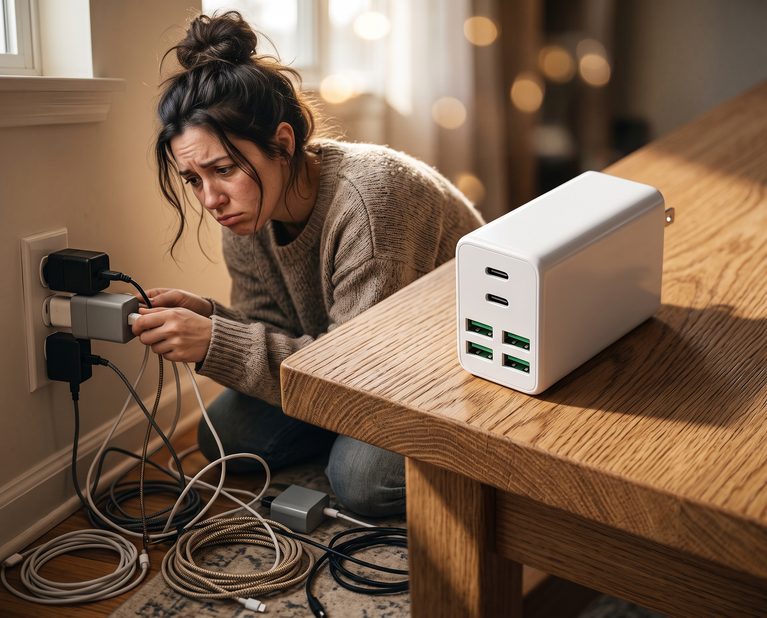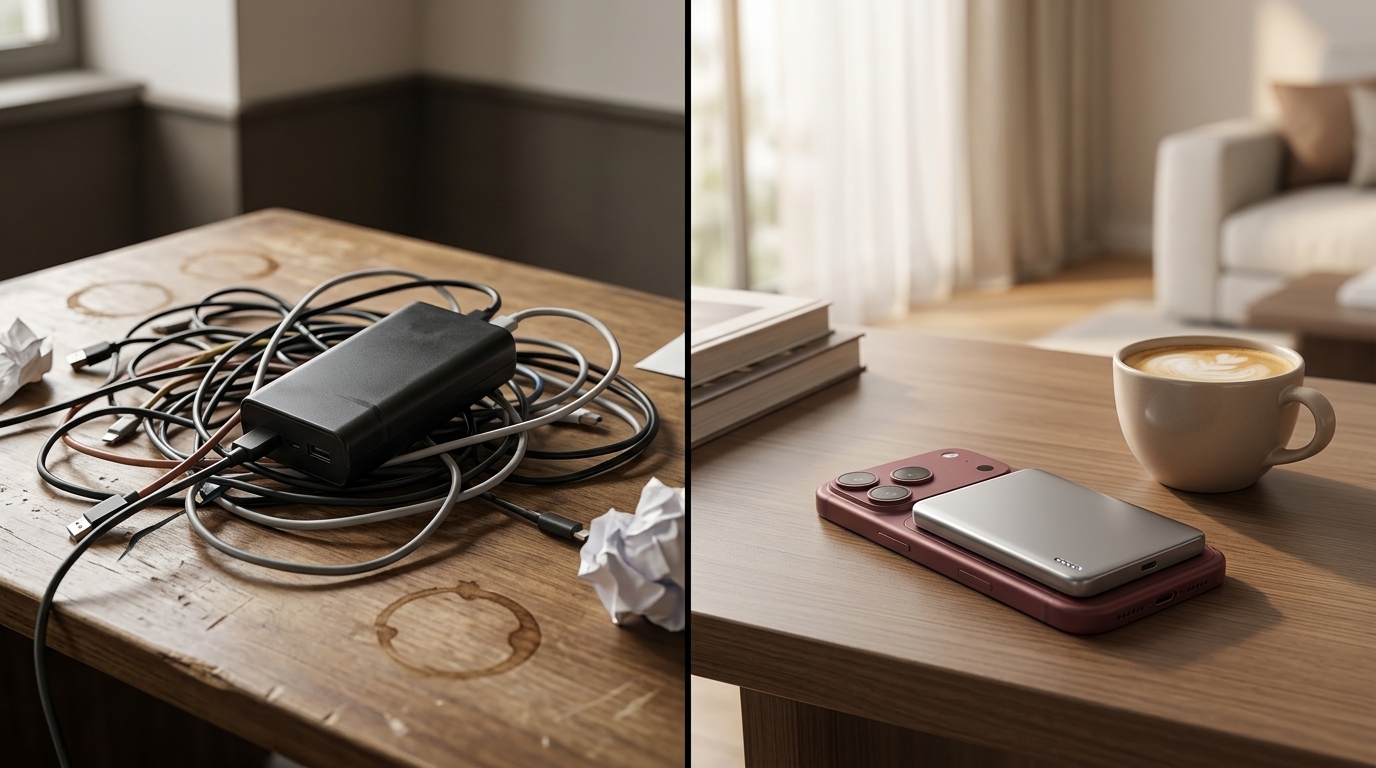


Portable battery packs used to be travel accessories. Long flights, road trips, camping—situations where wall outlets were scarce. Now they’re everyday carry items, sitting in bags and pockets alongside wallets and keys. iPhone battery anxiety has shifted from occasional concern to constant background hum, and the solution isn’t better battery life—it’s carrying more power.
This shift is behavioral, not technical. iPhone battery performance hasn’t declined dramatically in recent years, but usage patterns have changed. More video, more navigation, more always-on notifications, more apps running in the background. The result is that a full charge in the morning doesn’t reliably last until bedtime, and users are adjusting by treating portable chargers as mandatory equipment.
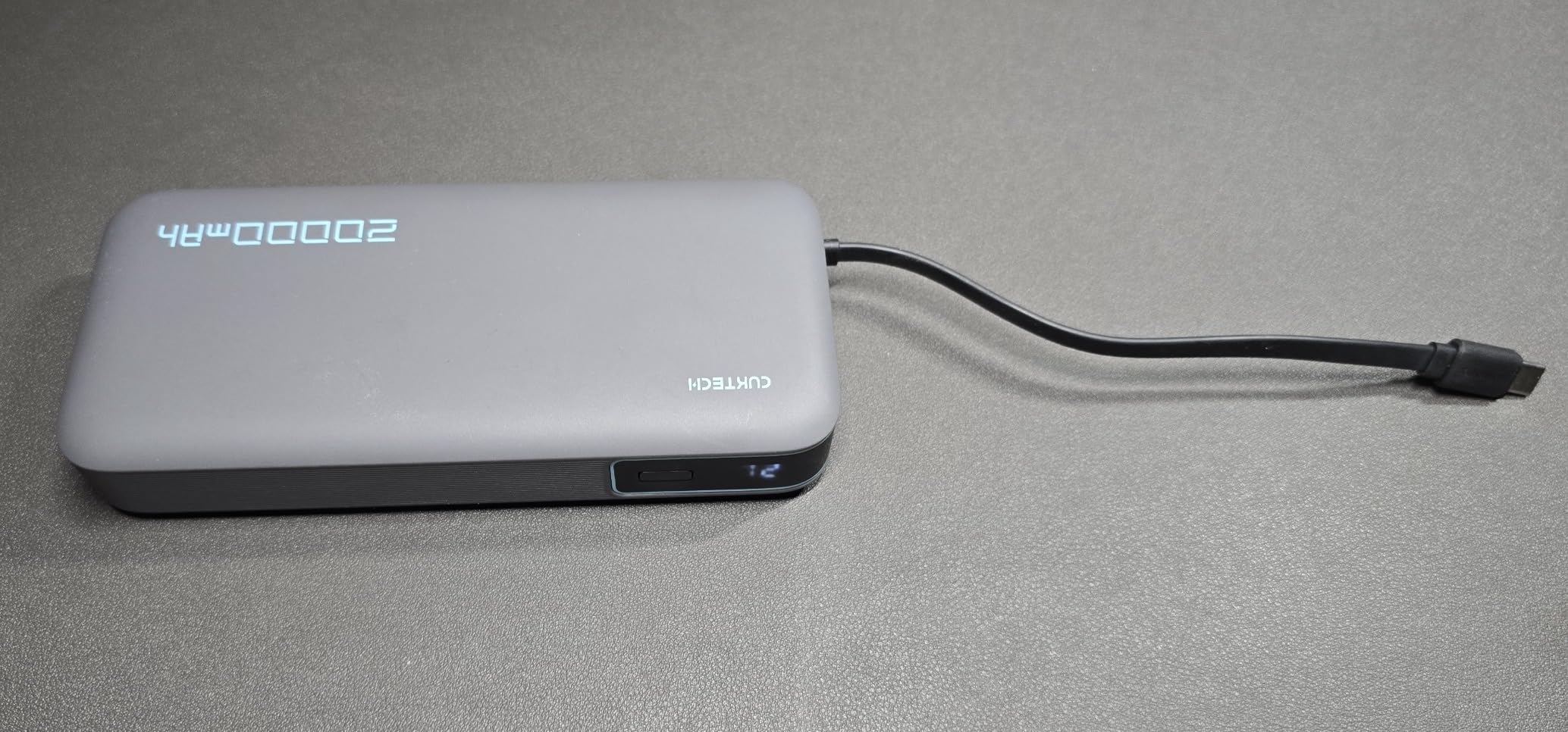
The built-in USB-C cable is the key feature driving this behavior. Users don’t want to carry a battery pack and a separate cable—that’s two things to remember instead of one. Integrated cable designs collapse the decision-making process. The battery pack is always ready, and the temptation to leave it at home decreases.
Apple ecosystem dependence amplifies this pattern. iPhone isn’t just a phone—it’s a wallet, a transit pass, a work email portal, a home automation hub. Letting it die isn’t an option the way it was ten years ago. The stakes are higher, so the tolerance for low battery warnings is lower. Carrying a battery pack isn’t paranoia; it’s risk management.
SIMILAR
iPhone and MacBook users are compensating for a port problem Apple created
iPhone users are eliminating the tangled cable from every car charging session
iPhone users are transforming nightstands into silent charging infrastructure
There’s tension around this shift. Portable chargers add weight and bulk. They require their own charging routine. Users are carrying power not because they want to, but because the alternative—being without iPhone—feels too disruptive. The battery pack is a symptom of deeper ecosystem lock-in, not just a convenient accessory.
Capacity matters less than reliability. A 20,000mAh battery pack provides multiple full charges, but most users only need one top-up per day. What matters is that the pack is always charged and always accessible. The peace of mind comes from knowing the option exists, not from actually draining the battery pack every day.
What started as a travel accessory is now functioning as a daily safety net. iPhone users are treating portable battery packs the way people used to treat spare car keys—something you hope you never need but can’t imagine leaving behind. That shift is quiet, but it’s becoming a defining feature of how people interact with their devices outside the home.
Previously listed around $30, current pricing has dropped to approximately $16(CODE CUKTECH20).
"Note: Readers like you help support The Apple Tech. We may receive a affiliate commission when you purchase products mentioned on our website."