The three-in-one charging stand used to be about convenience. Plug in iPhone, Apple Watch, and AirPods in one place, avoid cable clutter, wake up to fully charged devices. But users are describing a different function: the stand has become a ritual object that signals the end of productive hours.
Docking iPhone on the stand is being framed as a deliberate act of disengagement. It’s not just charging—it’s a behavioral boundary. Once the phone is on the stand, work emails stop getting checked, messages go unanswered until morning, and the default mode shifts from responsive to offline. The stand isn’t enforcing this boundary through technology; it’s reinforcing it through habit.
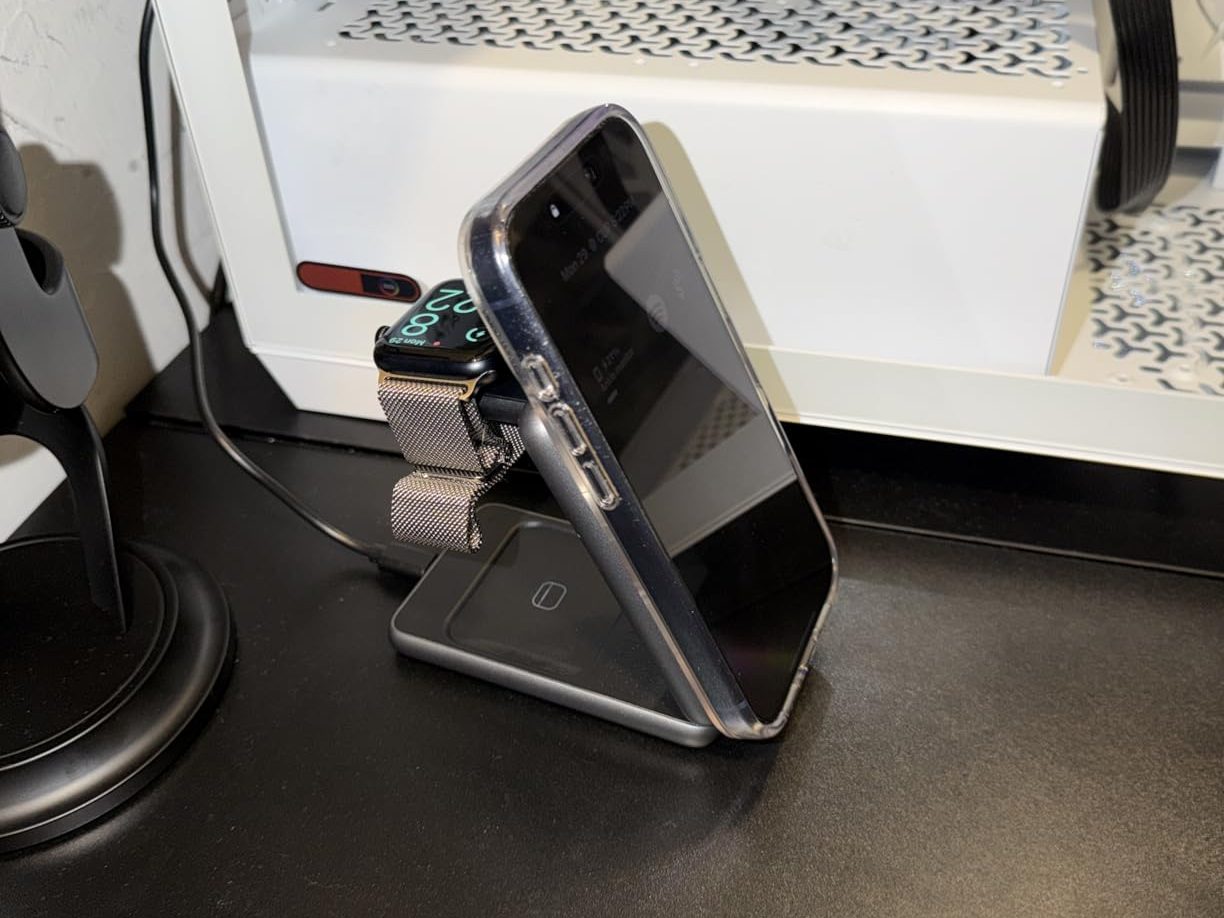
This shift is most visible among remote workers and people who work from home. Without a physical commute or office departure, the line between work and personal time blurs. The charging stand has become a substitute for leaving the building. Docking the phone is the new version of walking out the door.
Apple ecosystem design supports this behavior unintentionally. Focus modes, Screen Time limits, and Do Not Disturb settings all work better when iPhone is stationary. The stand creates the physical condition that makes those software features feel effective. Without the stand, users report that they override digital boundaries more often.
SIMILAR
iPhone and MacBook users are compensating for a port problem Apple created
iPhone users are eliminating the tangled cable from every car charging session
iPhone users are transforming nightstands into silent charging infrastructure
There’s friction around this, too. Notifications still light up the screen from across the room. The stand doesn’t block incoming calls or urgent messages. Some users are placing stands in different rooms to increase physical distance, while others are disabling notification previews entirely. The stand solves one problem but surfaces another: how do you enforce boundaries when the device is always within reach?
Families are adopting this pattern collectively. Shared charging stations in living rooms or kitchens are being described as communal off-switches. When everyone docks their devices, the implicit rule is that screens are done for the evening. The stand becomes a shared agreement, not just a personal habit.
What started as a cable management solution is now functioning as a behavioral anchor. The charging stand isn’t just organizing devices—it’s organizing the day itself, creating a visible marker that separates active engagement from downtime. That shift is happening quietly, but it’s becoming harder to ignore.
Previously listed around $70, current pricing has adjusted to approximately $50.
"Note: Readers like you help support The Apple Tech. We may receive a affiliate commission when you purchase products mentioned on our website."