A scheduling tension is appearing among users who want their watch to track sleep but also need it to maintain charge. The traditional overnight charging approach—where the watch rests on a charger for eight hours—no longer works when those same eight hours are meant for sleep data collection.
The behavioral shift involves finding compressed charging windows during the day when the watch can be removed without missing important tracking. Morning routines, shower times, and evening preparation periods become strategic charging moments where users rush to add enough power for the watch to make it through another sleep cycle.
For Apple Watch users who prioritize sleep tracking, this creates a new form of time anxiety. The watch needs to charge, but it also needs to be worn, and reconciling those competing demands requires actively managing charging schedules rather than passively leaving the watch on a charger overnight.
Some users report developing specific routines around when the watch comes off and for how long. A 30-minute morning charge while getting ready, another brief session while cooking dinner—these become calculated moments where the watch is temporarily dispensable and power can be restored without sacrificing tracking continuity.
SIMILAR
iPhone and MacBook users are compensating for a port problem Apple created
iPhone users are eliminating the tangled cable from every car charging session
iPhone users are transforming nightstands into silent charging infrastructure
The tension is amplified by the fact that Apple Watch battery life hasn’t scaled proportionally with the expansion of all-day and all-night tracking features. The device is designed to do more across longer periods, but the charging infrastructure still assumes users will remove it for extended sessions.
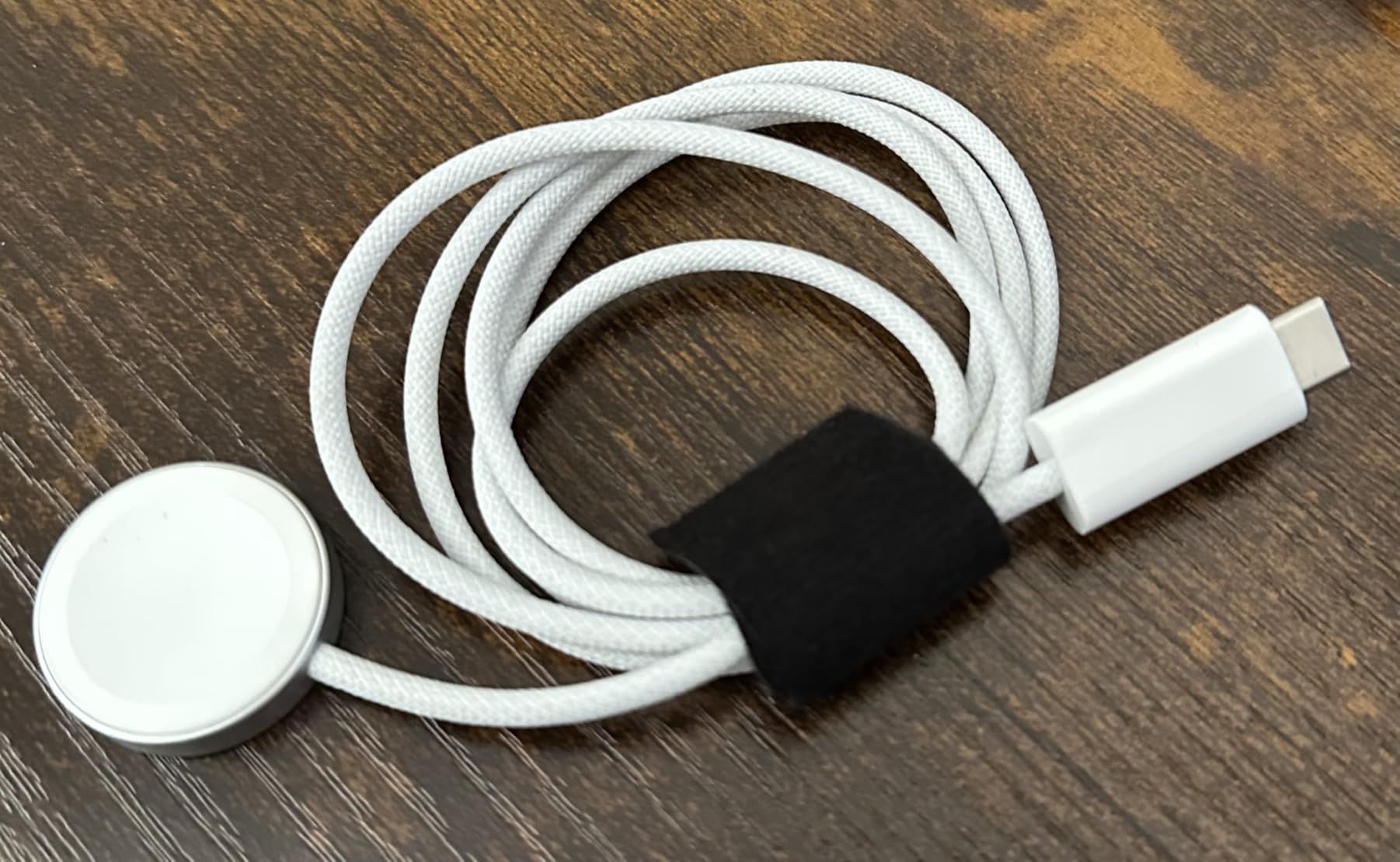
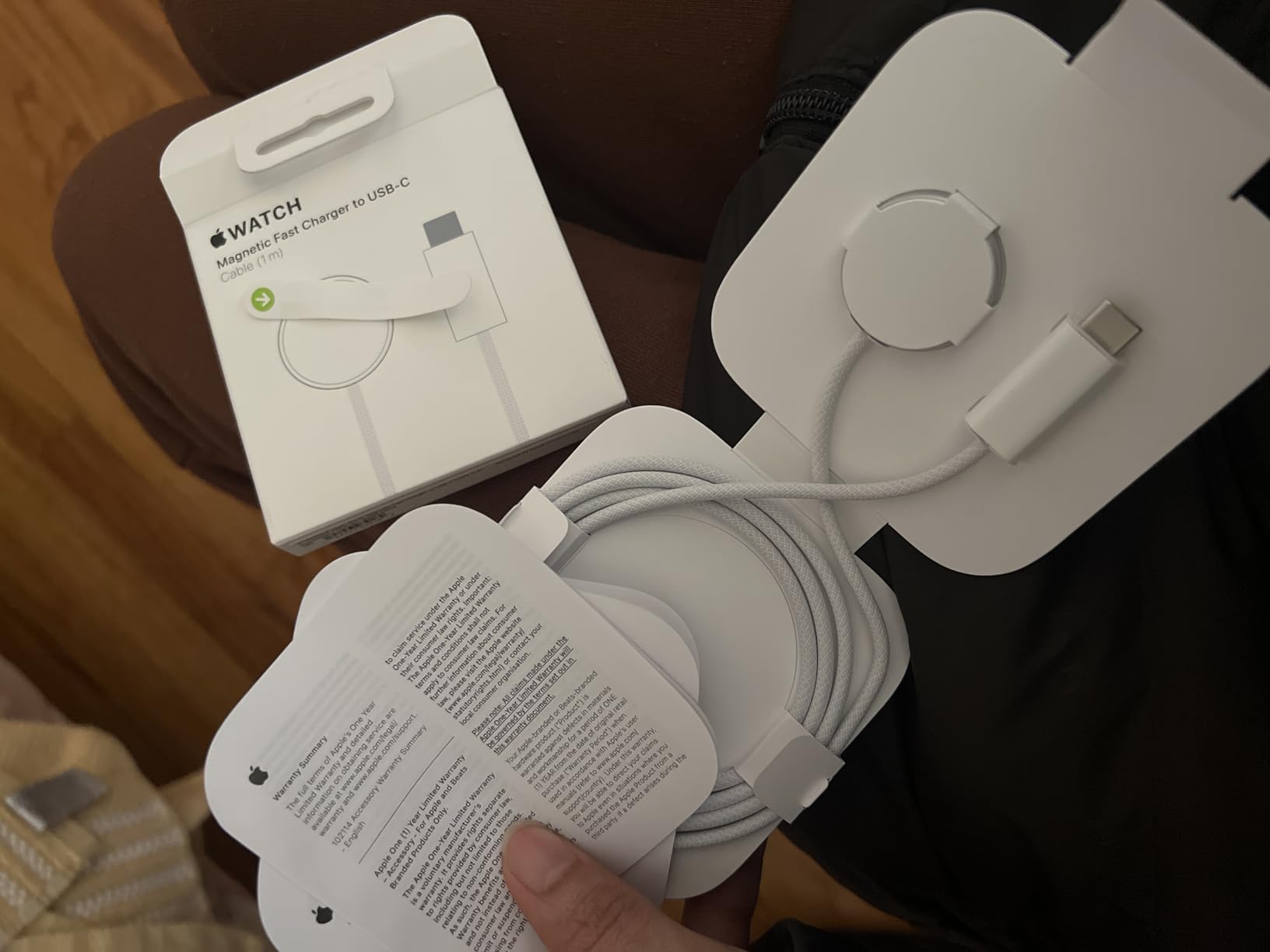
Fast charging capabilities help compress these windows, but they also introduce a new variable—users need to remember which charging cables support faster speeds and whether the current setup will deliver enough power in the available time. The mental overhead of charging strategy becomes part of daily watch use.
What’s emerging is a recognition that wearables create different charging demands than phones or tablets. Devices that are meant to be worn continuously can’t follow traditional overnight charging patterns, and users are adapting their behavior to bridge that gap.
Previously listed around $29, current listings of these faster Apple Watch charging cables now appear closer to $25.
"Note: Readers like you help support The Apple Tech. We may receive a affiliate commission when you purchase products mentioned on our website."