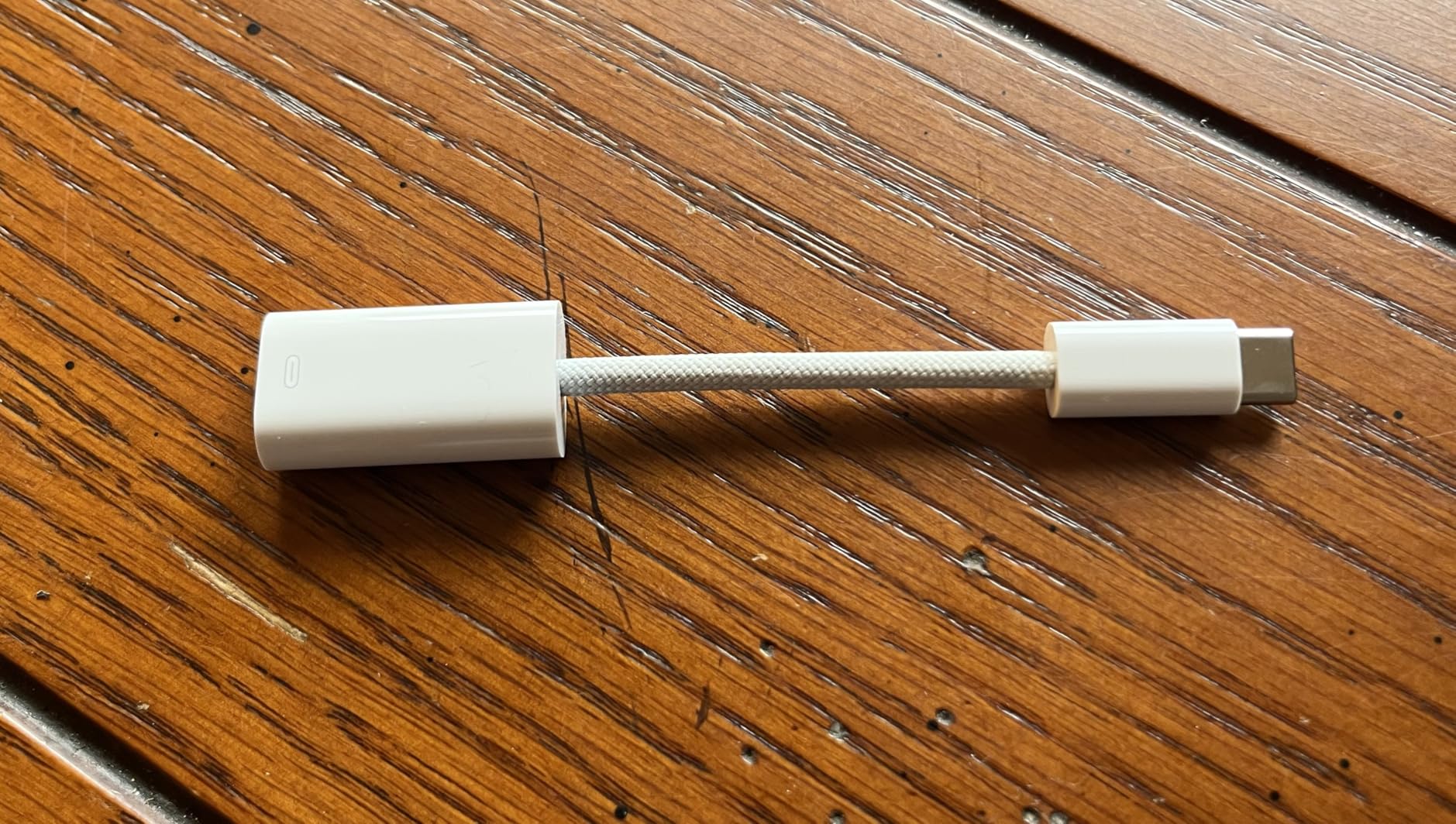
A transitional behavior is persisting longer than many expected. As iPhones have shifted to USB-C, users are maintaining small adapter collections that allow older Lightning-based accessories to remain functional rather than being immediately replaced.
The pattern reveals the accumulated investment people have in peripherals that were designed for previous connection standards. Car chargers, older charging docks, audio interfaces, and various desk accessories all assumed Lightning would remain the standard, and replacing that entire ecosystem at once feels disproportionate to the benefit.
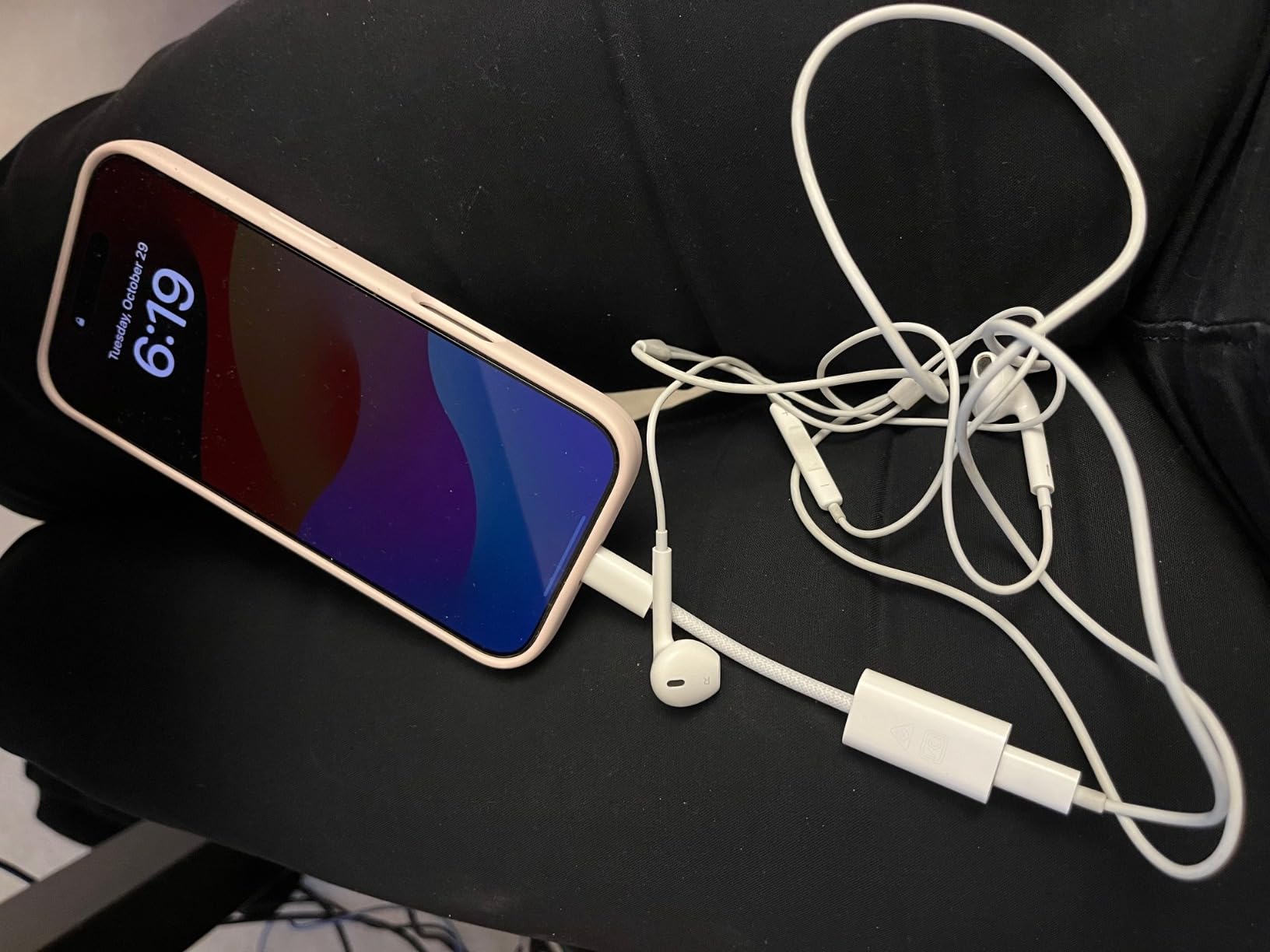
For iPhone users who upgraded to newer models, the adapter becomes a permanent fixture—something carried in bags or left plugged into frequently used accessories. The extra step of connecting through an adapter adds minor friction, but it’s friction that feels more tolerable than the cost and waste of wholesale accessory replacement.
The behavior is most visible in cars, where installed charging infrastructure often predates USB-C adoption. Rather than replacing built-in or mounted charging solutions, users insert adapters that bridge the gap between old ports and new phones. The setup works, even if it’s not elegant.
SIMILAR
iPhone and MacBook users are compensating for a port problem Apple created
iPhone users are eliminating the tangled cable from every car charging session
iPhone users are transforming nightstands into silent charging infrastructure
Some users report that adapters become easy to misplace, which creates new points of frustration. A forgotten adapter can render an entire category of accessories temporarily useless, and the small size of these adapters means they disappear into bags, pockets, or between car seats.
The persistence of adapter use suggests that technology transitions don’t happen cleanly. People adopt new devices quickly, but the infrastructure supporting those devices takes years to fully turn over. The adapter becomes the compromise that allows gradual rather than abrupt change.
What’s notable is how this mirrors previous transitions—30-pin to Lightning created similar adapter dependencies, and those adapters remained in circulation far longer than Apple likely anticipated. The current USB-C transition is following the same pattern of extended coexistence between old and new standards.
Previously listed around $29, current listings of these USB-C to Lightning adapters for iPhone now appear closer to $19.
"Note: Readers like you help support The Apple Tech. We may receive a affiliate commission when you purchase products mentioned on our website."