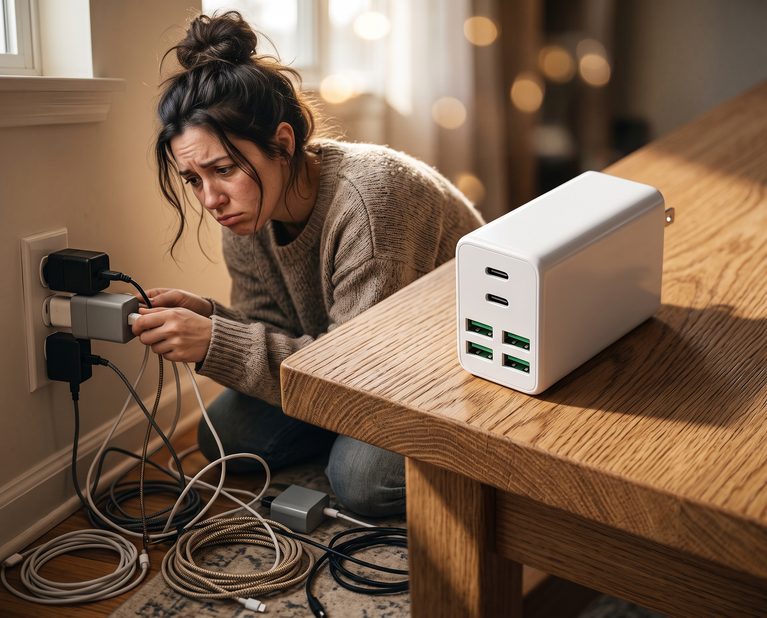

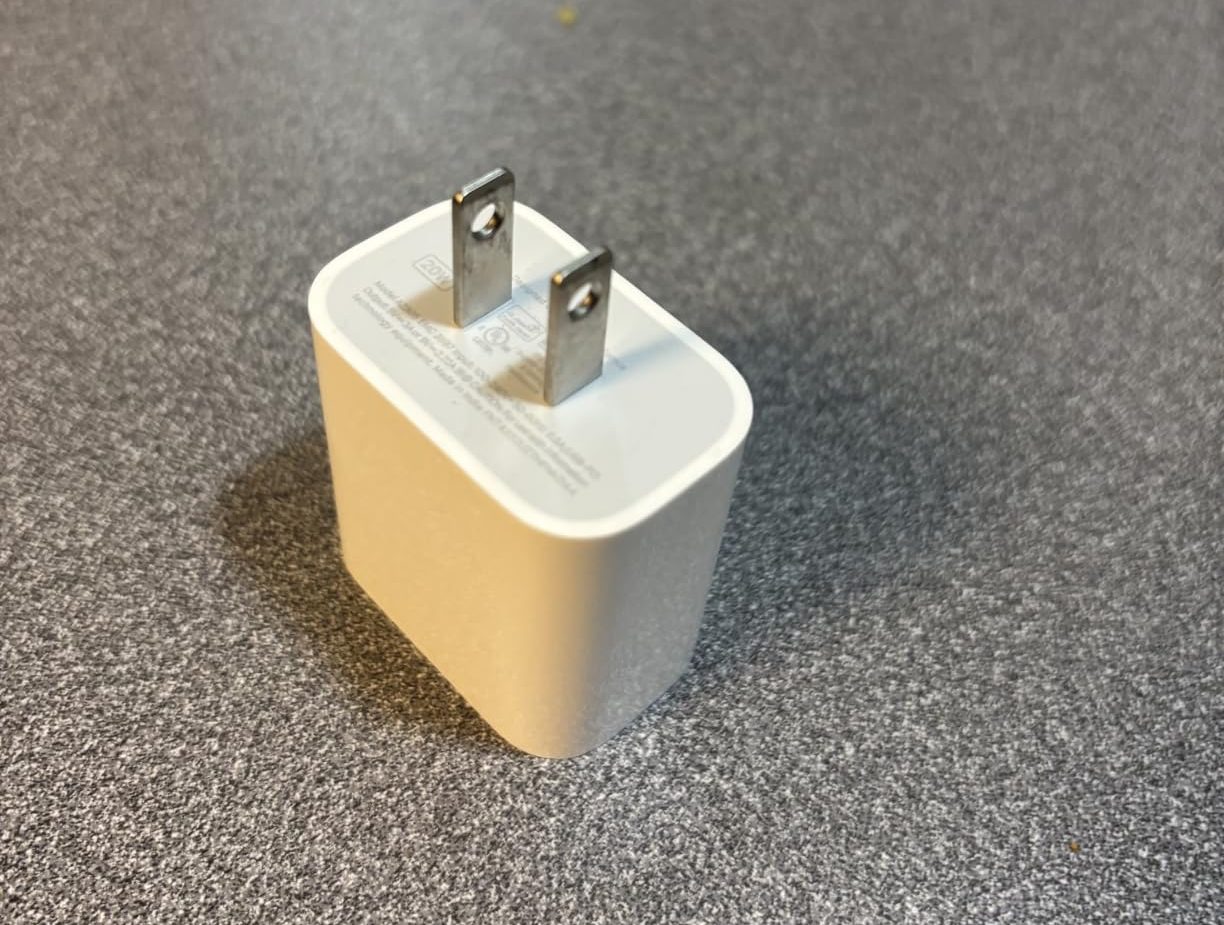
A shift in power management strategy is becoming visible among people who move between multiple locations throughout the day. The single-charger approach—carrying one adapter and plugging in wherever needed—is giving way to distributed charging infrastructure where adapters remain permanently installed in frequently occupied spaces.
The change reflects the accumulated inconvenience of remembering to pack a charger each time someone leaves home, travels to an office, or moves between rooms. The cognitive load of tracking where the charger currently is and whether it made the trip begins to outweigh the cost of simply having multiple adapters available.
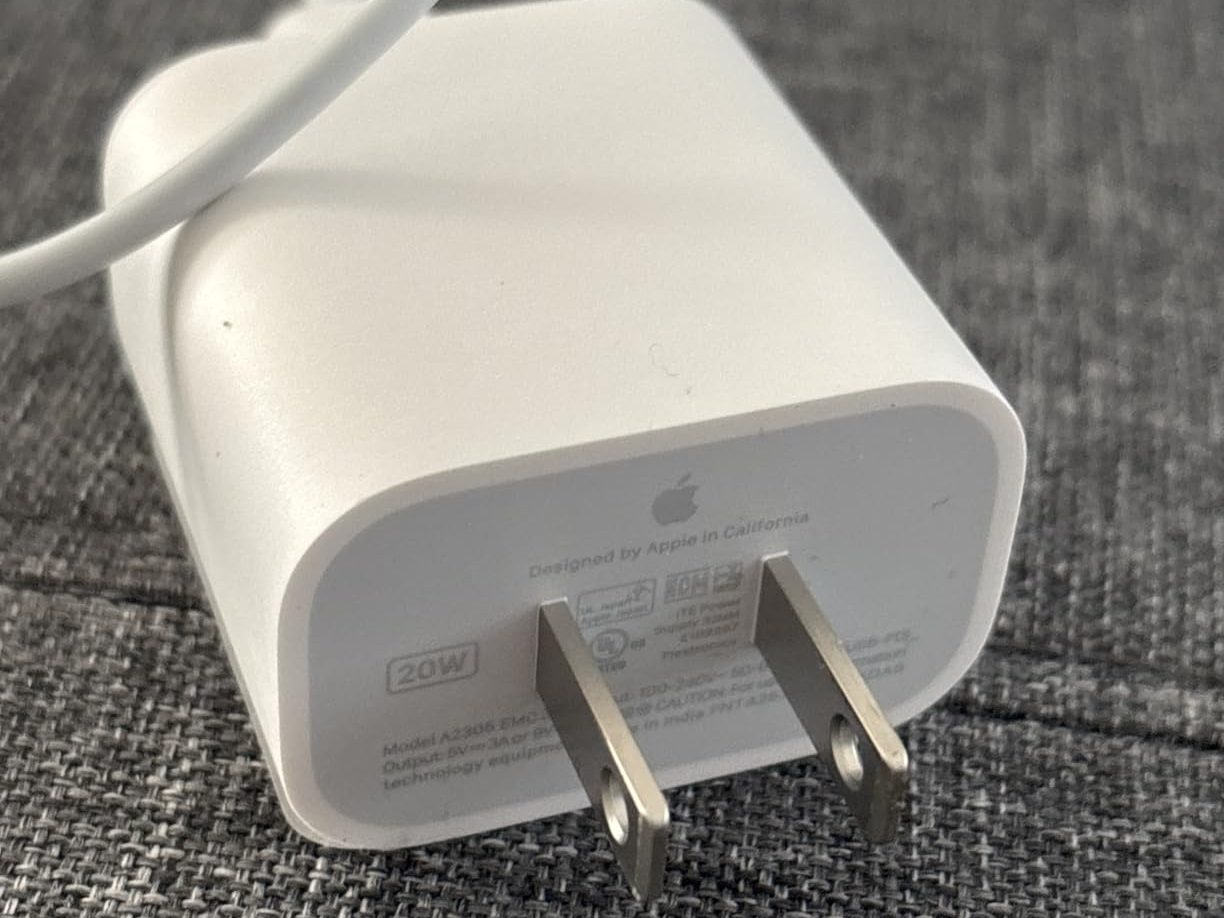
For iPhone users, this means power management becomes location-based rather than device-based. The phone moves between spaces, but the charging infrastructure stays fixed, eliminating the gap between needing power and having access to it. The behavior spreads because it converts an active task—remembering the charger—into a passive system where charging is always available.
The pattern is most pronounced among people with hybrid work arrangements who split time between home and office. Each location develops its own charging point, and the adapter becomes part of the desk setup rather than something that travels in a bag. The phone charges opportunistically throughout the day rather than waiting for a dedicated charging session.
SIMILAR
iPhone and MacBook users are compensating for a port problem Apple created
iPhone users are eliminating the tangled cable from every car charging session
iPhone users are transforming nightstands into silent charging infrastructure
Some users report that distributed charging changes their relationship with battery anxiety. When power is always within reach, the need to monitor percentage levels drops significantly. The phone becomes something that’s perpetually topped off rather than something that cycles between full and critically low.
The adaptation also reveals how charging behavior has become spatial rather than temporal. People no longer think about charging as an overnight activity—they think about it as something that happens wherever they spend time. Kitchen counters, bedroom nightstands, office desks, and car interiors all become potential charging locations.
What’s notable is how this mirrors the broader shift toward ambient power availability. As devices become more central to daily routines, the infrastructure supporting them needs to be as distributed as the routines themselves.
Previously listed around $19, current listings of these compact power adapters for iPhone now appear closer to $15.
"Note: Readers like you help support The Apple Tech. We may receive a affiliate commission when you purchase products mentioned on our website."