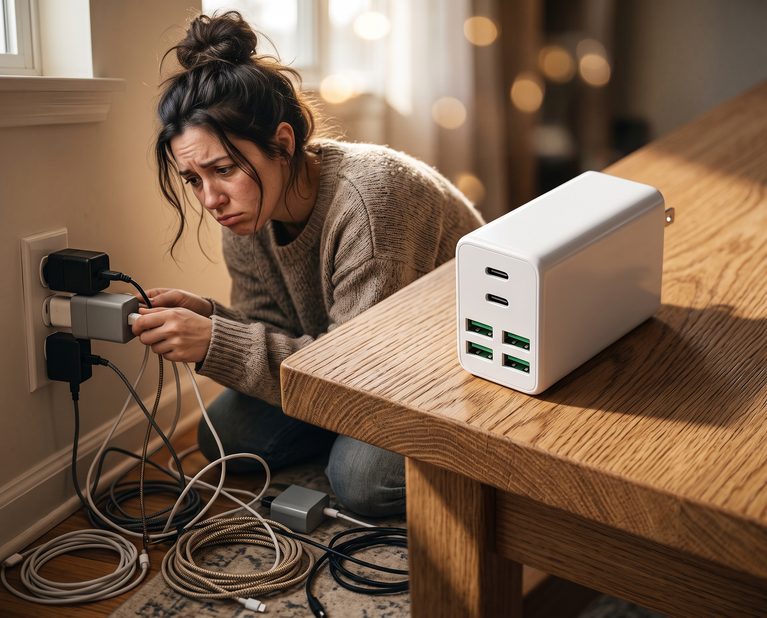
The battery pack outlasted the event itself, which meant anxiety about phone death never entered the experience. A 60,000mAh capacity represents roughly twelve to fifteen full iPhone charges, or enough power to keep multiple devices operational for three to four days without wall power access. For festival attendees, this transforms phone usage from rationed necessity to unrestricted tool.
The shift is behavioral as much as technical. When battery life was constrained, festival-goers used phones sparingly—essential photos, critical texts, checking set times. With massive battery reserves, phone usage becomes continuous. Video documentation, constant group chat coordination, social media updates, navigation between stages. The device returns to its normal role rather than being artificially constrained.
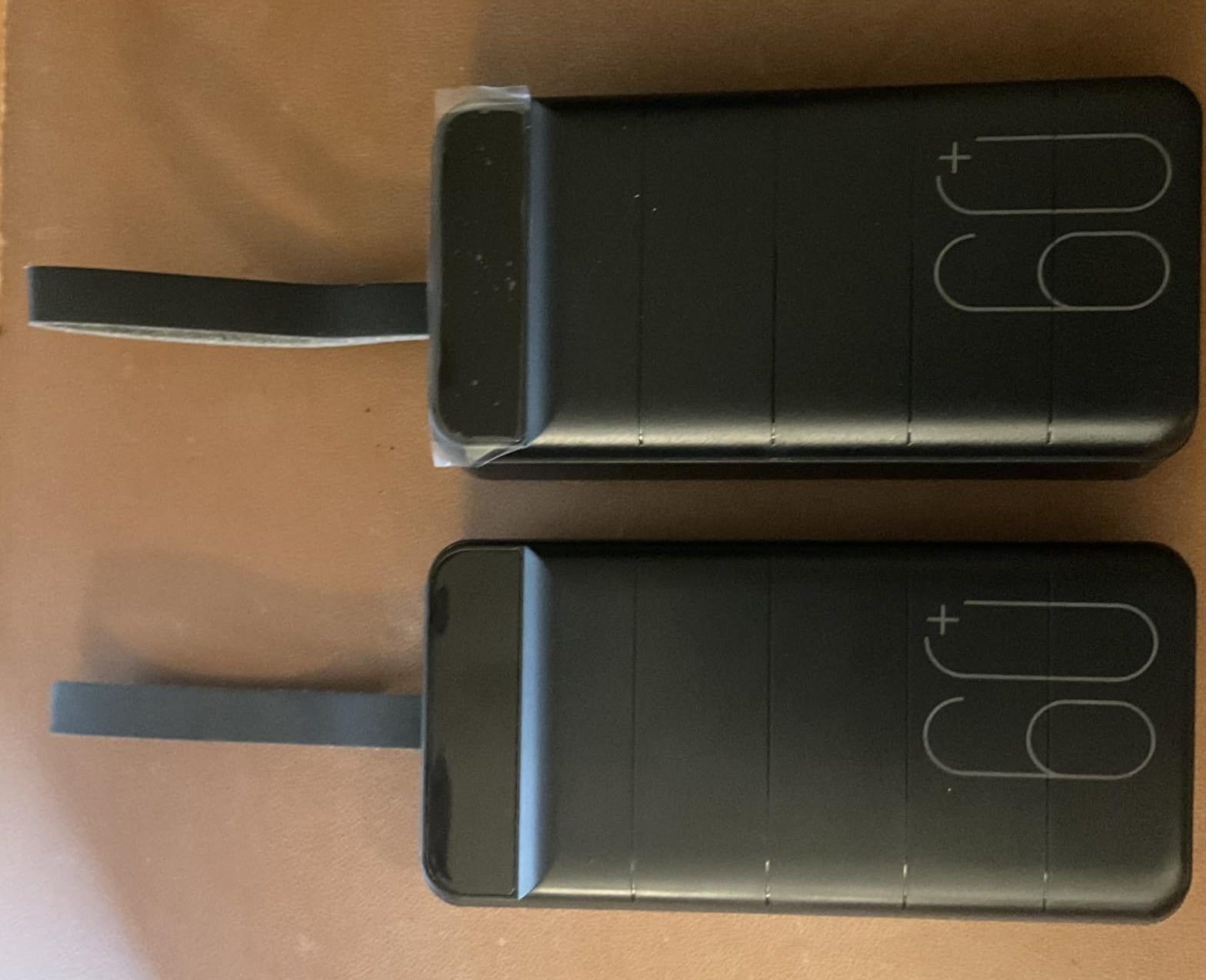
But 60,000mAh means substantial physical presence. These battery packs weigh two to three pounds and occupy space equivalent to a large water bottle. For events where every item in your bag represents carried weight across long distances, this creates a genuine calculus. The power security trades against physical burden.
The four outputs acknowledge group dynamics. Festival groups share charging infrastructure. One person carrying the massive battery pack becomes the group’s power source, with multiple devices charging simultaneously from a single reservoir. This creates informal power-sharing economies within friend groups.
The LED display becomes crucial at this capacity level. With smaller batteries, you can estimate remaining power intuitively. At 60,000mAh, precise percentage feedback is necessary to plan multi-day usage and determine when the battery itself needs recharging—a process that can take hours even with fast charging protocols.
What’s notable is how this capacity level has migrated from extreme use cases to semi-regular deployment. These aren’t just for week-long camping trips anymore. They’re for any situation where charging access might be unreliable: international travel, power outages, extended outdoor events. The extreme has become the cautious default for certain contexts.
Previously listed at $45.99, current listings hover around $39.99. The pricing reflects the massive battery capacity and multi-output capability, but it’s accessible enough that buying for a single event—even if it only gets used once or twice a year—feels economically justifiable.
"Note: Readers like you help support The Apple Tech. We may receive a affiliate commission when you purchase products mentioned on our website."