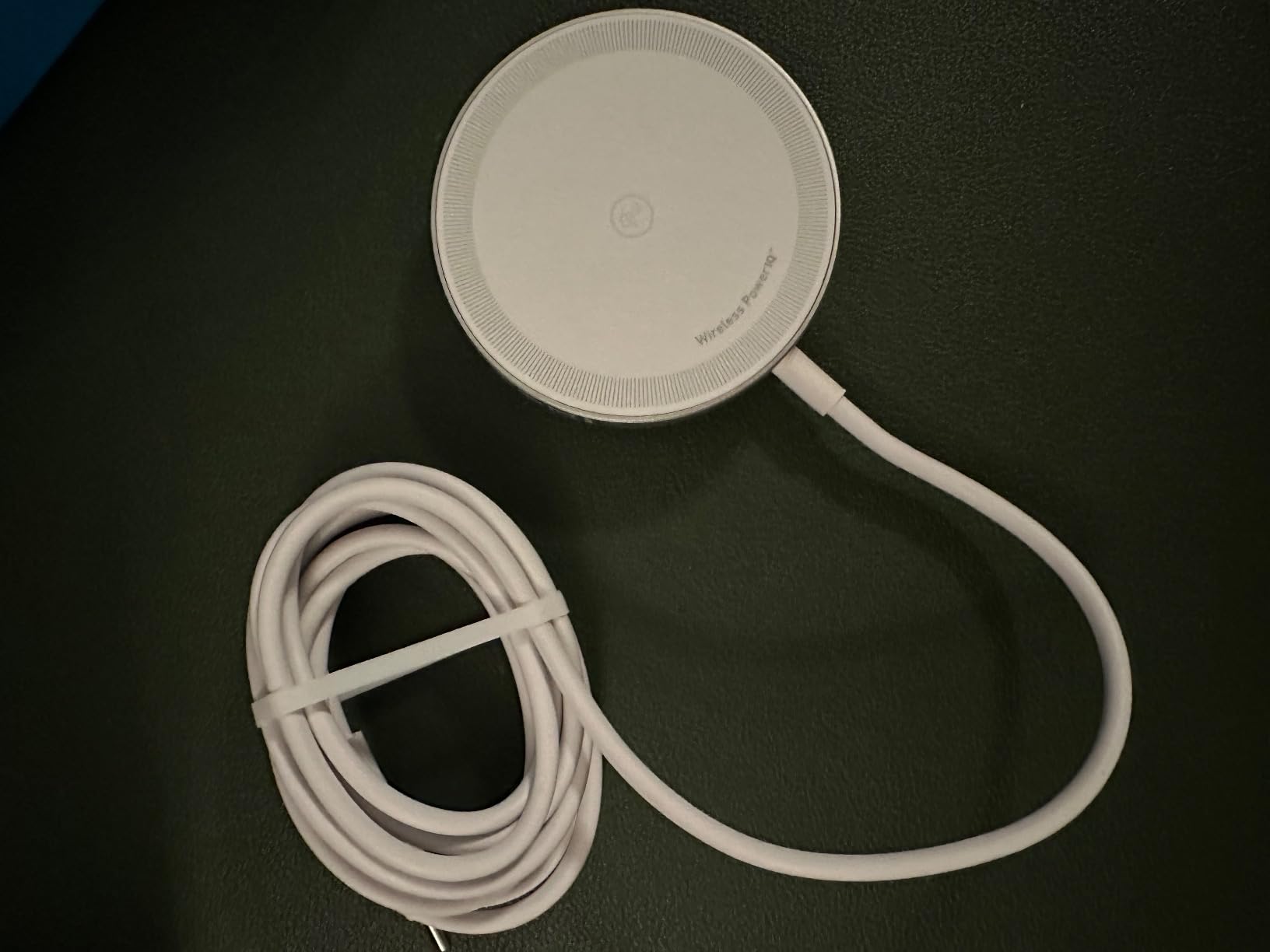

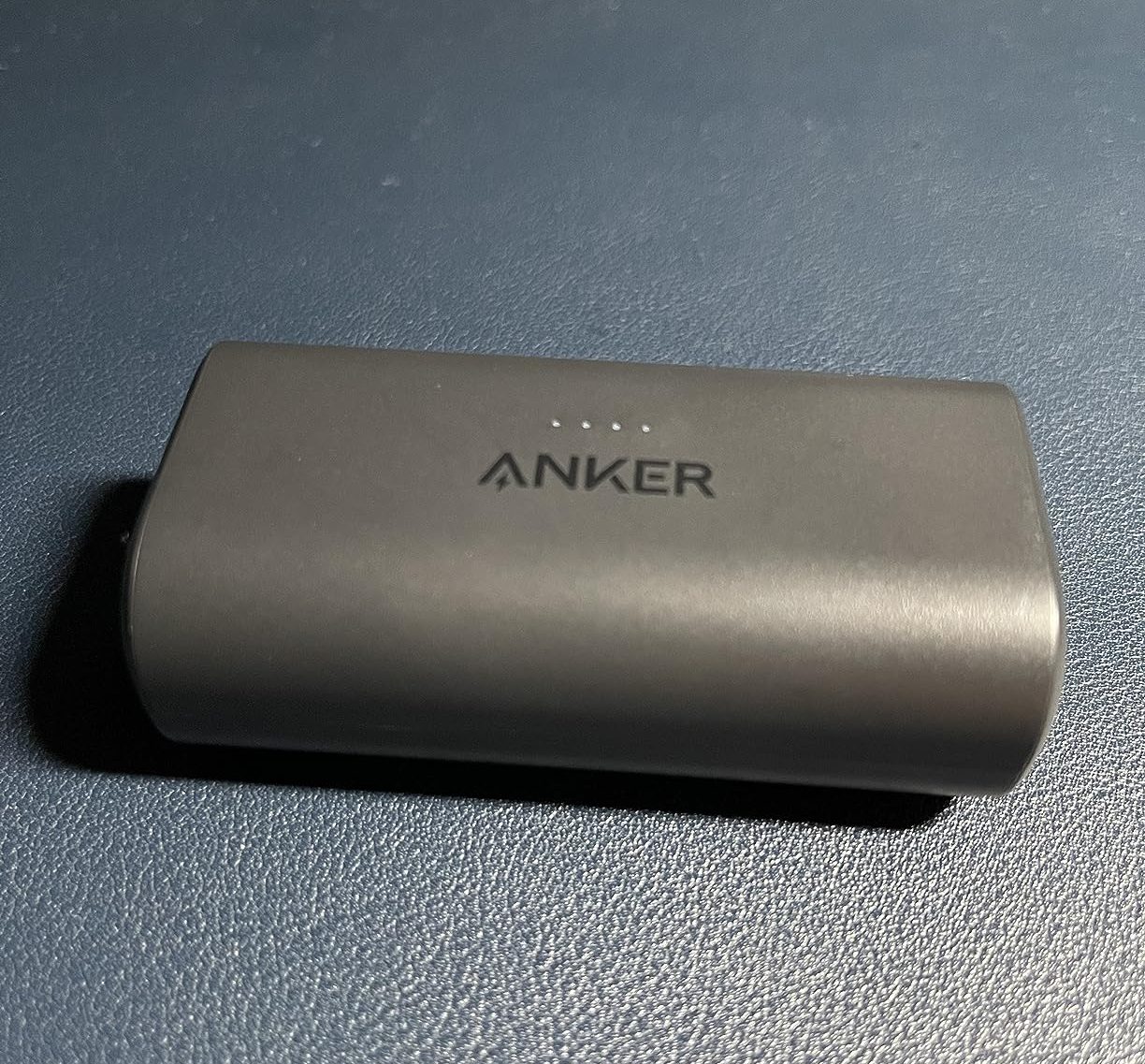
The iPhone 14 wouldn’t be replaced for another year, which meant Lightning accessories still mattered. Apple’s transition to USB-C on iPhone 15 and later models created a bifurcation in the market. New phones charge via USB-C. Older phones—iPhone 14, 13, 12, and earlier—still use Lightning. For users not on annual upgrade cycles, Lightning remains their daily reality for years to come.
Battery packs with built-in Lightning connectors serve this population specifically. They charge the phone directly without requiring a separate cable, which simplifies what you need to carry. The connector folds out from the battery body, plugs into the phone’s Lightning port, and charges while you continue using the device.

The 5,000mAh capacity is modest but strategic. It’s enough for roughly one full iPhone charge, maybe slightly more depending on the model. That’s sufficient for emergency situations—when your phone dies during an outing and you need to bring it back to life—without adding significant weight or bulk to daily carry.
But these battery packs have a finite lifespan tied to Lightning’s relevance. As users upgrade to USB-C iPhones, Lightning battery packs become incompatible with their new devices. Some will keep them as backup power for older devices that remain in household rotation. Others will simply retire them, accepting that accessories tied to a deprecated connector have limited longevity.
What’s interesting is the certification aspect. MFi certification means Apple has verified the Lightning connector meets their specifications, which matters for compatibility and safety. Uncertified Lightning accessories can have charging issues or, in rare cases, damage phone batteries. The certification adds cost but provides reassurance.
The white color choice is revealing. It matches the aesthetic of Apple’s own Lightning accessories, signaling alignment with Apple’s design language even as a third-party product. For users who prefer visual cohesion in their tech accessories, this matters more than it might for purely functional objects.
Previously listed at $29.99, current listings hover around $25.99. The pricing is notably higher than comparable USB-C battery packs, reflecting both the MFi certification costs and the shrinking market for Lightning-specific accessories as the iPhone line continues its USB-C transition.
"Note: Readers like you help support The Apple Tech. We may receive a affiliate commission when you purchase products mentioned on our website."