
Before remote work became permanent for many people, the iPhone sat flat on the desk or tucked in a pocket. Its position didn’t matter much beyond being within reach.
Now it matters a lot. Video calls mean the iPhone’s camera is often active, and unlike a MacBook’s built-in camera, the iPhone’s placement is entirely user-determined. Too low and the angle is unflattering. Too high and it feels surveillance-like. Too far and you’re shouting. Too close and it’s claustrophobic.
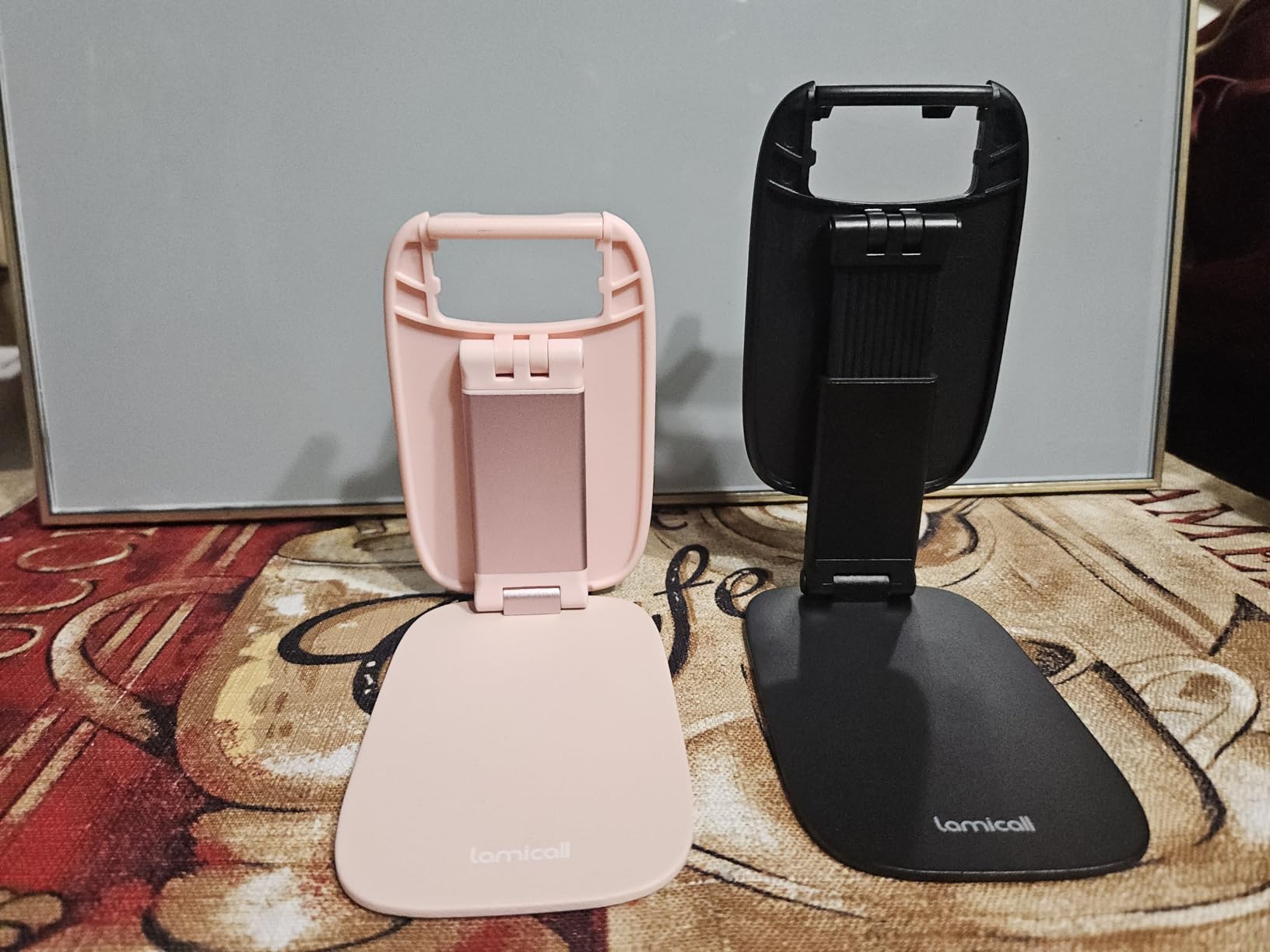
This has led to a wave of micro-adjustments. People prop their iPhones on stands, angle them just so, test the framing before calls. It’s not vanity—it’s an attempt to control how they’re perceived in a medium that’s now central to work.
The laptop camera, for all its limitations, has one advantage: it’s fixed. You know what it shows. The iPhone camera is variable, which means it requires active management. Where you place it, how you tilt it, what’s visible in the background—all of it becomes part of the call.
Some people prefer this. The iPhone camera is sharper than most laptop cameras, and the flexibility means you can optimize the setup for your space. But it also means you have to optimize. The laptop camera is passive. The iPhone camera is not.
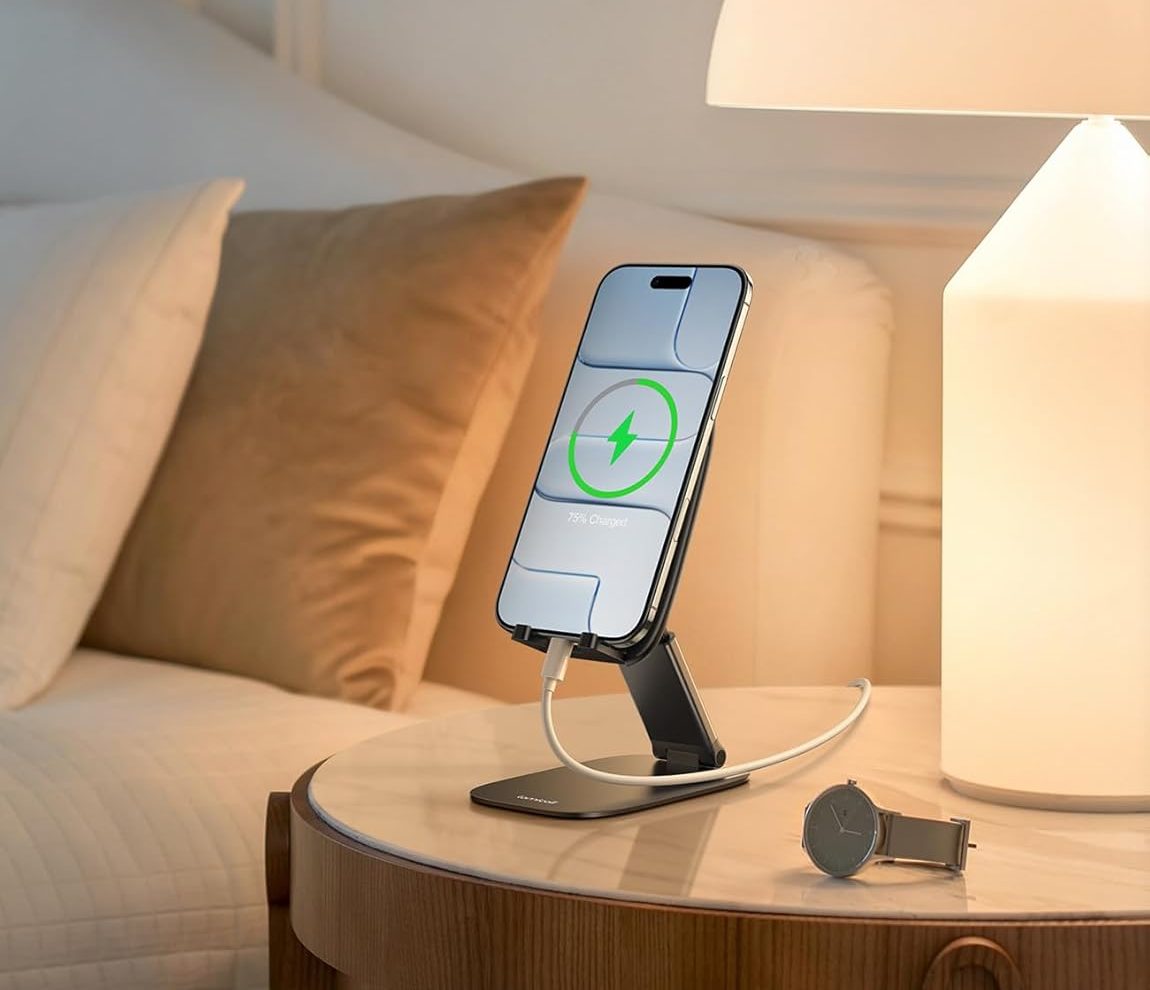
There’s also the issue of stability. A phone propped against a mug works until someone bumps the desk. A phone lying flat works until you need to reference something on screen mid-call. The ideal setup requires a dedicated holder—something adjustable, stable, unobtrusive.
What emerges is a kind of desk choreography that didn’t exist in office settings. The phone has to be positioned correctly, but also charged, and also accessible for texts or notifications between calls. It’s a lot of small decisions that add up to a permanent rearrangement of the workspace.
Previously listed at $11.99, some adjustable options now sit closer to $8.98, though the price feels secondary to the broader question: why is the iPhone doing a job it was never designed for, and why does it still feel like the best tool available?
"Note: Readers like you help support The Apple Tech. We may receive a affiliate commission when you purchase products mentioned on our website."