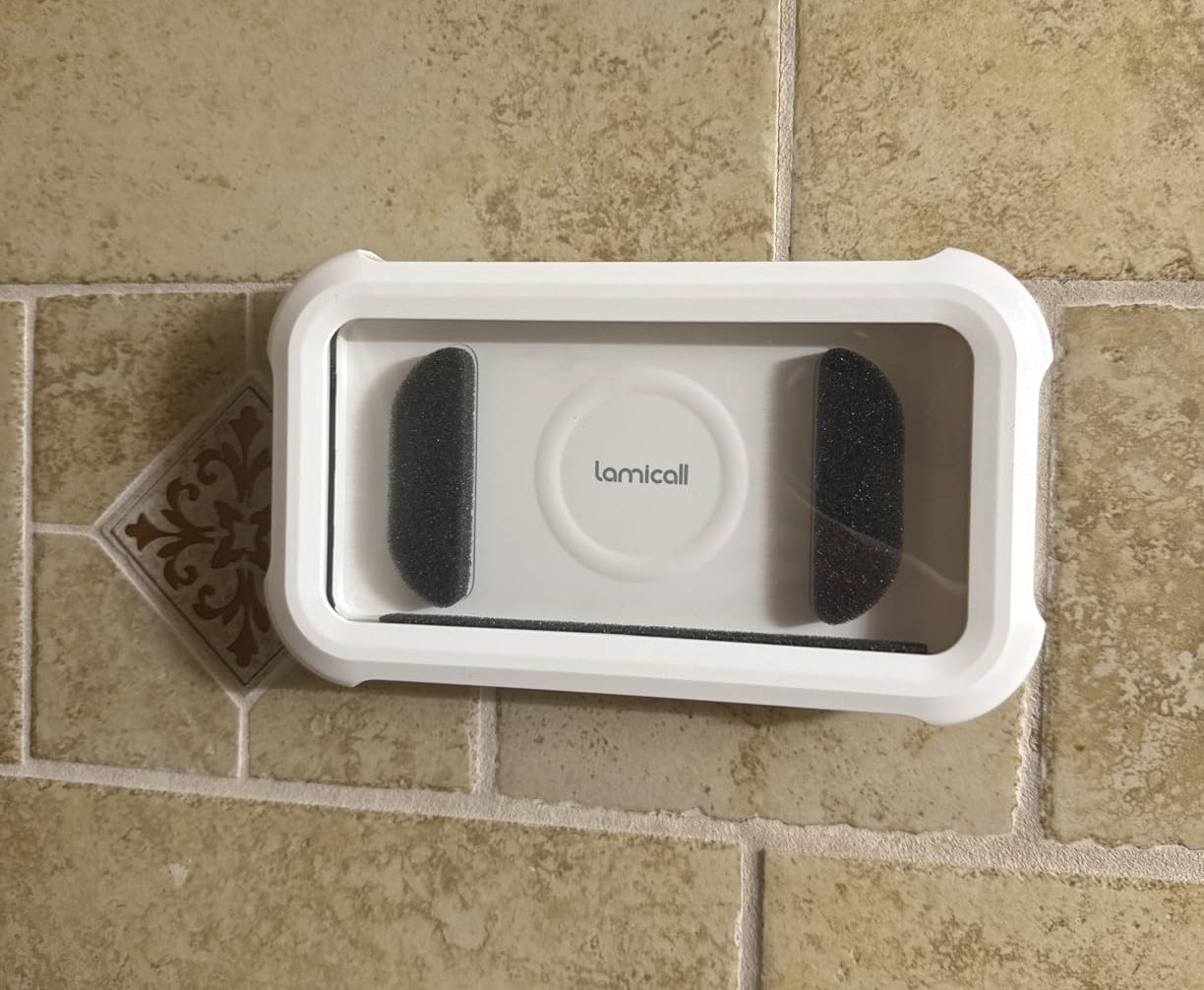
There was a time when the shower was a phone-free zone by default. Not by choice, but by physics. Water and electronics don’t mix, and the bathroom remained one of the few spaces where disconnection was enforced rather than negotiated. That boundary has collapsed.
iPhone users have begun mounting waterproof cases to shower walls, transforming what was once a brief, unavoidable break from screens into another context where the device remains present, accessible, and in use. The behavior isn’t uniform—some use it for music, others for podcasts, a few for video calls that couldn’t wait the fifteen minutes a shower takes. But the common thread is the refusal to let the phone be out of reach, even temporarily.
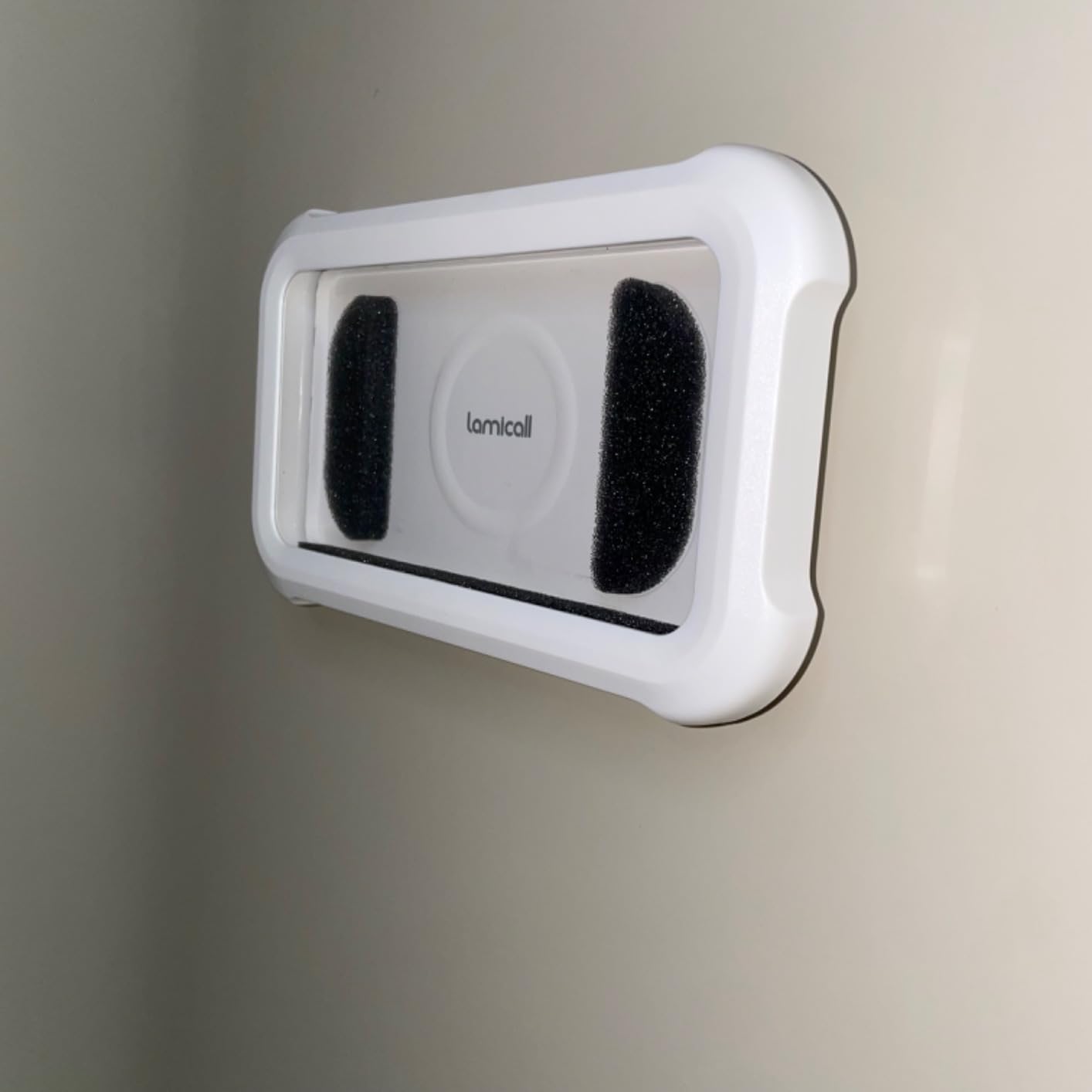
What’s notable is how quickly this setup stops feeling like an intrusion and starts feeling like infrastructure. The first few showers with a mounted phone feel excessive, performative, maybe even a little dystopian. By the second week, it’s just how the bathroom works. The phone is there, angled toward the shower, fog-resistant, waiting to resume a podcast mid-sentence or skip to the next song without stepping out to dry your hands.
This shift mirrors a broader pattern across the Apple ecosystem: the erosion of natural stopping points. Bedrooms used to enforce disconnection at night, but StandBy mode and Always-On displays turned the iPhone into a bedside clock. Cars used to mean looking at the road, but CarPlay turned them into moving offices. The shower was one of the last holdouts, and it’s falling in line.
SIMILAR
iPhone and MacBook users are compensating for a port problem Apple created
iPhone users are eliminating the tangled cable from every car charging session
iPhone users are transforming nightstands into silent charging infrastructure
The justifications vary. Some users claim it’s about efficiency—why waste shower time when you could be learning something, catching up on news, or clearing your podcast backlog? Others frame it as comfort—the shower is where they think best, and having background audio enhances that. A smaller subset admits it’s simply anxiety: the fear of missing something urgent during the ten minutes they’re unreachable.
Apple has never marketed the iPhone as a shower companion, yet the device’s water resistance—introduced as a safety feature—has become an enabler. IP68 ratings mean the phone can survive a splash or a drop into a sink. But for users willing to add a waterproof case, it means the phone can exist in steam, spray, and humidity without consequence. The feature designed for accidents has become permission for intentionality.
What’s lost in this shift isn’t obvious. It’s not time, exactly—the shower still takes the same fifteen minutes. It’s the quality of disconnection. The bathroom was one of the few spaces where the mind could wander without input, where thoughts could surface without being interrupted by notifications, pings, or algorithmic recommendations. That space is shrinking, one mounted phone at a time.
Previously listed at $16.99, current listings hover around $13.98. That pricing reflects the accessory’s role as an affordability gateway—low enough that the decision to extend screen time into the shower doesn’t require justification, just a quick checkout.
The bathroom becomes the last frontier of always-on connectivity, where even steam and water no longer justify being unreachable. For a generation of iPhone users, the boundary between connected and disconnected has effectively disappeared. The phone follows everywhere now, including the one room where it used to be left behind by necessity, not choice.
"Note: Readers like you help support The Apple Tech. We may receive a affiliate commission when you purchase products mentioned on our website."