A shift in charging behavior is becoming visible among people who push their MacBooks through sustained intensive tasks. The standard charging approach—using whatever adapter came with the device—is being replaced by deliberate selection of higher-wattage options that can keep pace with power consumption during active use.
The pattern reflects a specific frustration that emerges during video editing, compilation tasks, or other processor-intensive work. Plugging in a MacBook during these activities should mean the battery charges while work continues, but with lower-wattage adapters, the math doesn’t always work out. The machine draws power faster than the charger can supply it, and battery percentage continues to drop despite being connected.
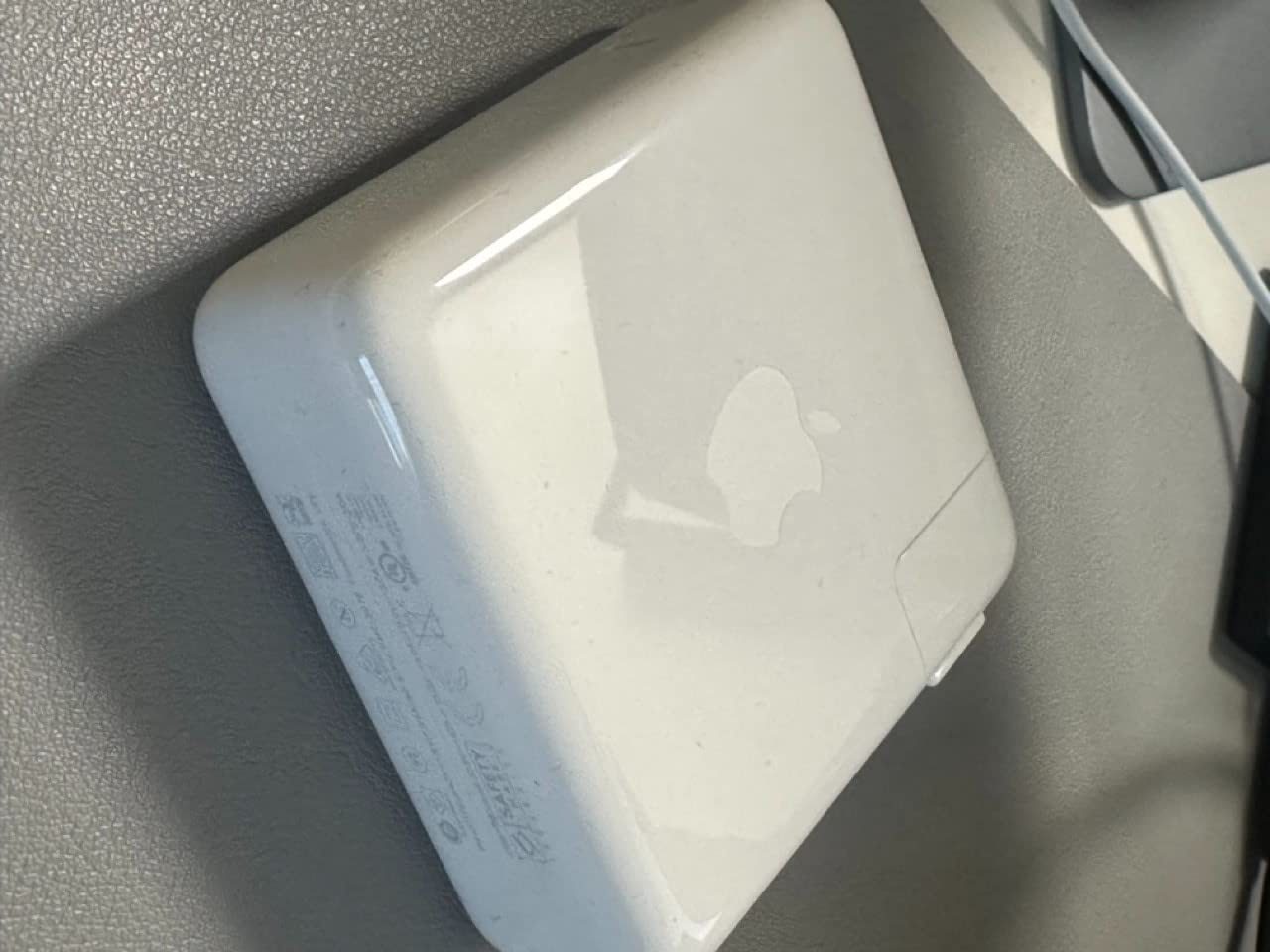
For macOS users who depend on their laptops for professional work, this creates planning friction. They need to either pause intensive tasks to let the battery catch up or ensure they start work sessions with sufficient charge to complete the task even while plugged in. Both adaptations add mental overhead to what should be a solved problem.
Higher-wattage charging eliminates that calculation by providing power delivery that exceeds consumption even during peak load. The laptop can charge while rendering video or compiling code, which means work doesn’t need to be structured around power availability. The behavioral freedom that provides is difficult to quantify but meaningful in practice.
SIMILAR
iPhone and MacBook users are compensating for a port problem Apple created
iPhone users are eliminating the tangled cable from every car charging session
iPhone users are transforming nightstands into silent charging infrastructure
Some users report that investing in higher-wattage charging changes which tasks they’re willing to undertake on battery power. Knowing that charging will proceed regardless of workload removes the hesitation about starting intensive projects when battery levels aren’t optimal.
The behavior also reveals how MacBook performance capabilities have outpaced the charging infrastructure that ships with them. Apple provides adapters sufficient for typical use, but “typical” has shifted as processors become more capable and workflows become more demanding. Users are upgrading their power delivery to match the performance they’re extracting from their hardware.
What’s notable is how this parallels previous shifts in laptop power management. As machines became more powerful, their energy demands grew, and charging infrastructure had to evolve to keep pace. The current generation is experiencing that same tension, and users are solving it through aftermarket charging upgrades.
Previously listed around $79, current listings of these higher-wattage power adapters for MacBook now appear closer to $50.
"Note: Readers like you help support The Apple Tech. We may receive a affiliate commission when you purchase products mentioned on our website."