

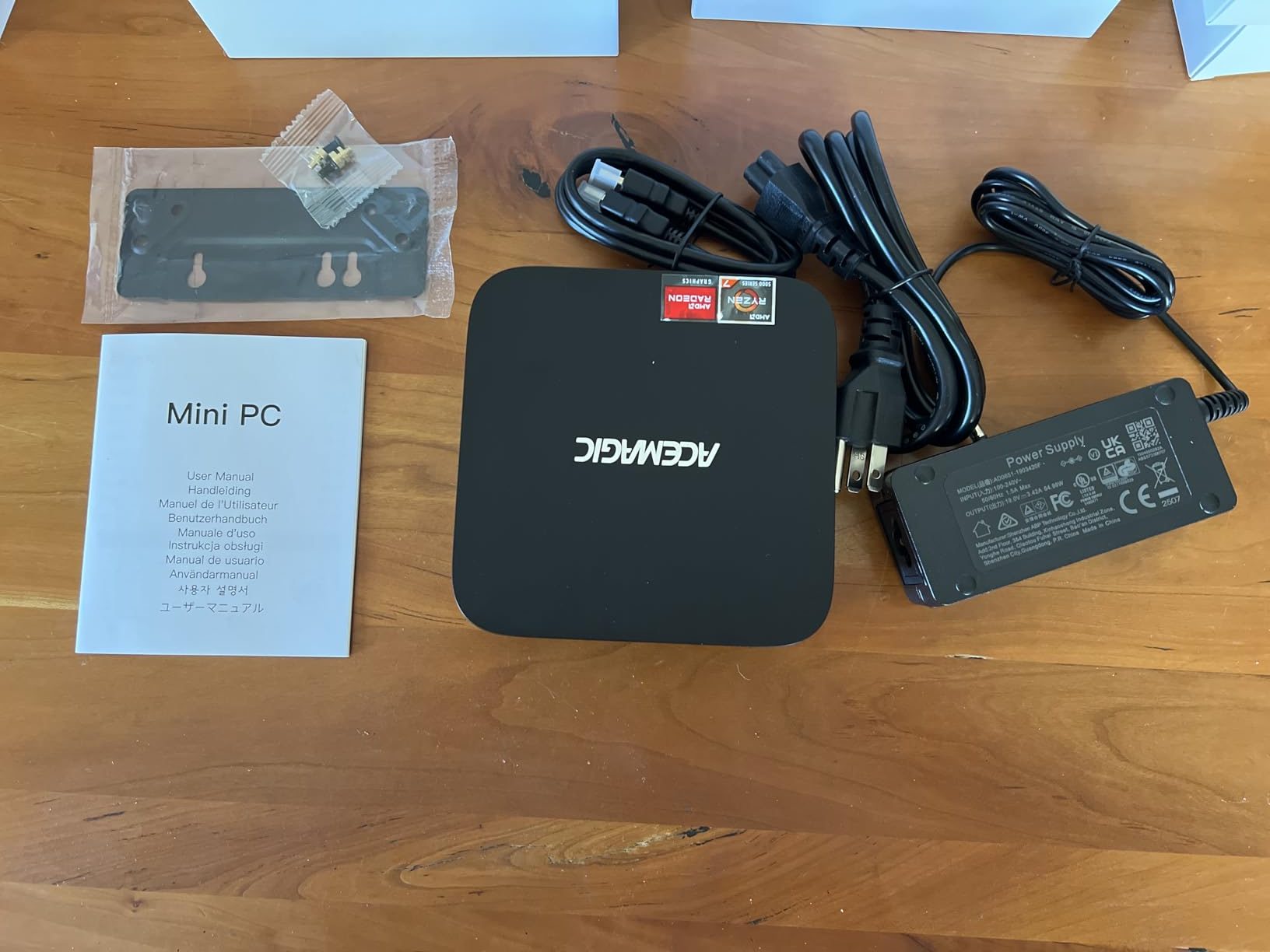
A subset of iOS and MacBook owners have started keeping compact Windows PCs nearby, not as replacements but as parallel systems for tasks the Apple ecosystem handles awkwardly.
The mini PC sits alongside the MacBook, handling the specific workflows where macOS either can’t compete or requires workarounds that feel like too much friction. This isn’t about abandoning Apple. Most of these users still rely on iPhones, iPads, and Macs for daily tasks. But certain activities—PC gaming, Windows-specific software, particular virtualization needs—have pushed them toward maintaining a secondary system that runs an entirely different operating system.
The form factor makes this coexistence easier than it used to be. A desktop tower would signal a decisive shift away from Apple’s ecosystem. A device the size of a paperback book can sit on a desk without dominating it, connected to the same display via a KVM switch or input toggle. The physical footprint is minimal enough that it doesn’t feel like a declaration. It’s just another tool, positioned near the others.
Apple’s transition to Apple Silicon closed certain doors that had remained open during the Intel era. Boot Camp is gone. Running Windows natively on a Mac is no longer an option without complex virtualization that introduces performance penalties. For users whose work or hobbies occasionally require Windows, this represents a meaningful reduction in flexibility. The Mac remains excellent at what it does, but what it does no longer includes seamless access to the other major desktop operating system.
Some users report keeping the Windows machine for a single application or use case. Others find that once it’s there, they begin shifting additional tasks to it—not because macOS can’t handle them, but because the friction of switching operating systems becomes lower than the friction of adapting macOS workflows. The mini PC becomes a pressure valve for the moments when the Apple ecosystem’s tight integration feels more like limitation than benefit.
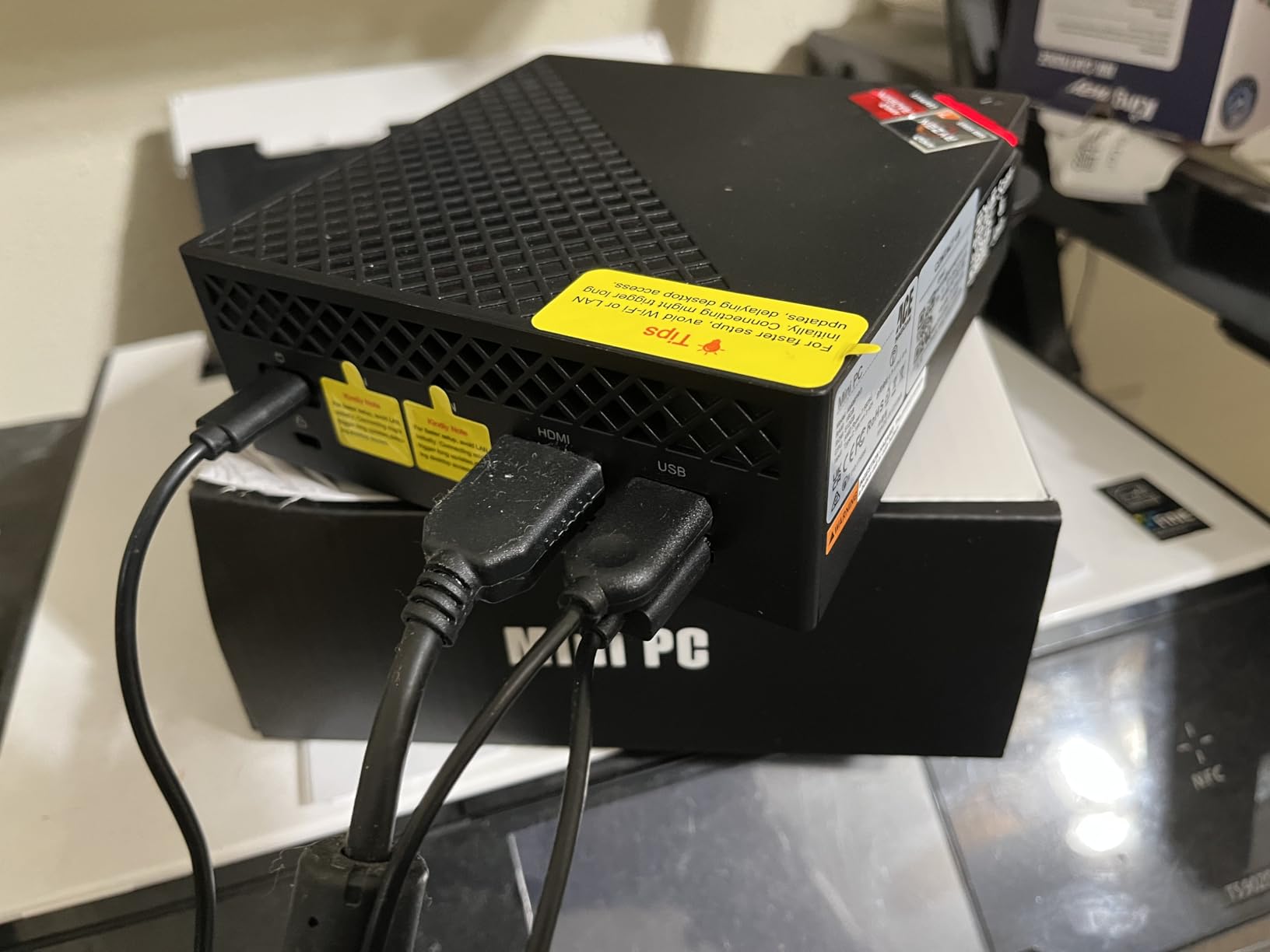
The machines themselves have become surprisingly capable. Multi-core processors, substantial RAM, and fast storage mean these compact systems can handle demanding tasks without the thermal compromises that plagued earlier small-form-factor PCs. They boot quickly, run quietly, and occupy desk space that would otherwise go unused. For users already committed to Apple displays, keyboards, and mice, adding a Windows box requires only the computer itself.
What this represents is less a rejection of Apple than an acknowledgment that ecosystem lock-in has boundaries. The iPhone remains central. iCloud still syncs documents across devices. AirPods connect automatically. But the computing layer—the place where work actually happens—has become more pragmatic. Users are willing to maintain two operating systems if it means avoiding the specific frustrations that come with forcing macOS to do things it wasn’t designed for.
Previously listed at $459, current listings hover around $385.56(CODE 32GB1TBACE) for mini PCs with AMD Ryzen processors, 32GB of RAM, and 1TB storage configured for both productivity and light gaming. The pricing positions these systems below entry-level MacBook Airs while offering specifications that, in certain contexts, exceed what Apple provides at comparable price points.
"Note: Readers like you help support The Apple Tech. We may receive a affiliate commission when you purchase products mentioned on our website."






