The iPhone camera improved so dramatically over the past decade that entire categories of standalone cameras disappeared from daily use. Point-and-shoots vanished first, then entry-level DSLRs started gathering dust. But a specific tier of photographer—not professional, not casual, somewhere in between—never fully abandoned dedicated cameras. They kept using mirrorless systems with interchangeable lenses, not because the iPhone couldn’t capture the moment, but because the process of using a real camera still felt different. The weight, the manual focus ring, the deliberate framing through an optical viewfinder instead of a screen.
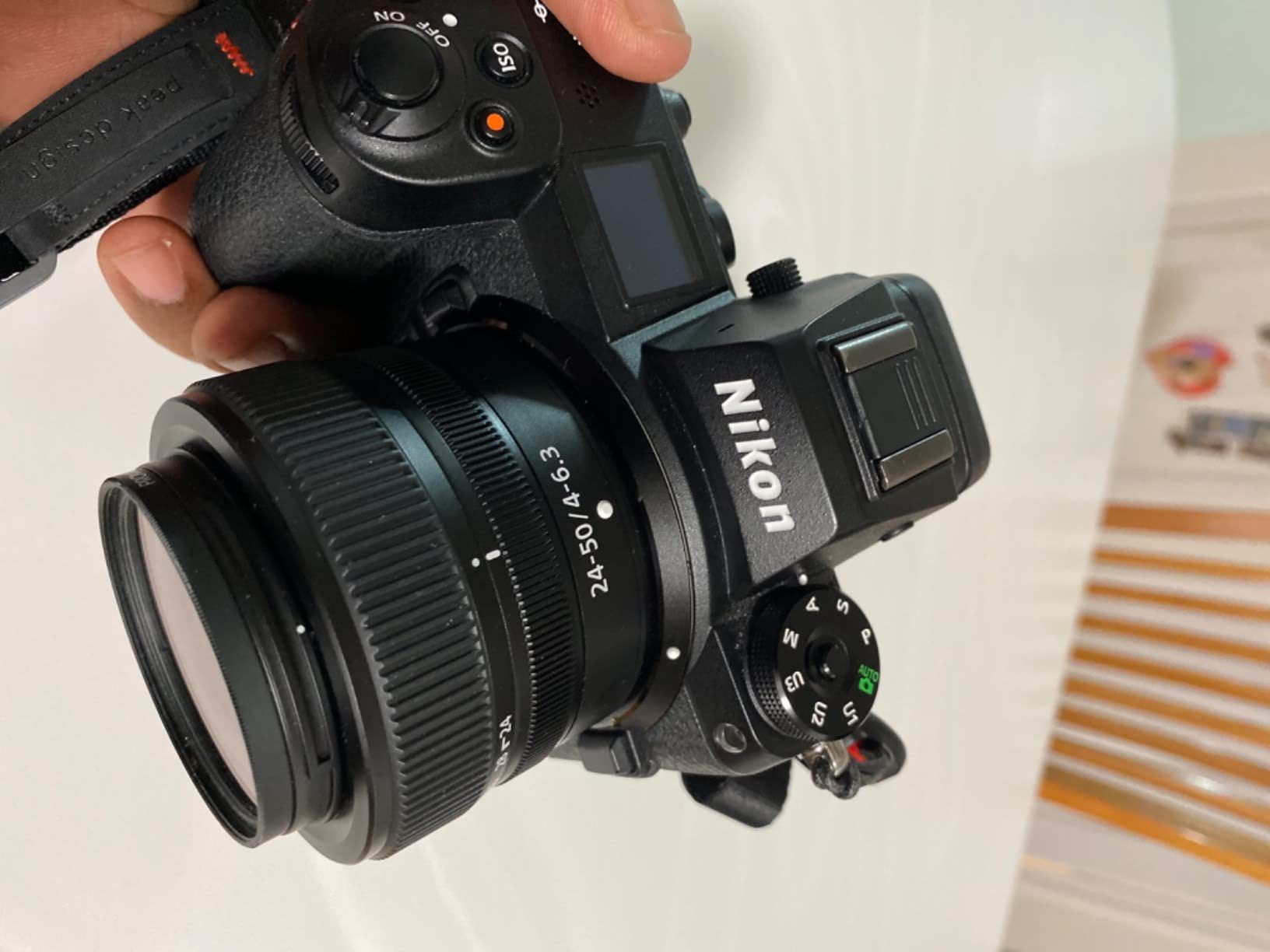
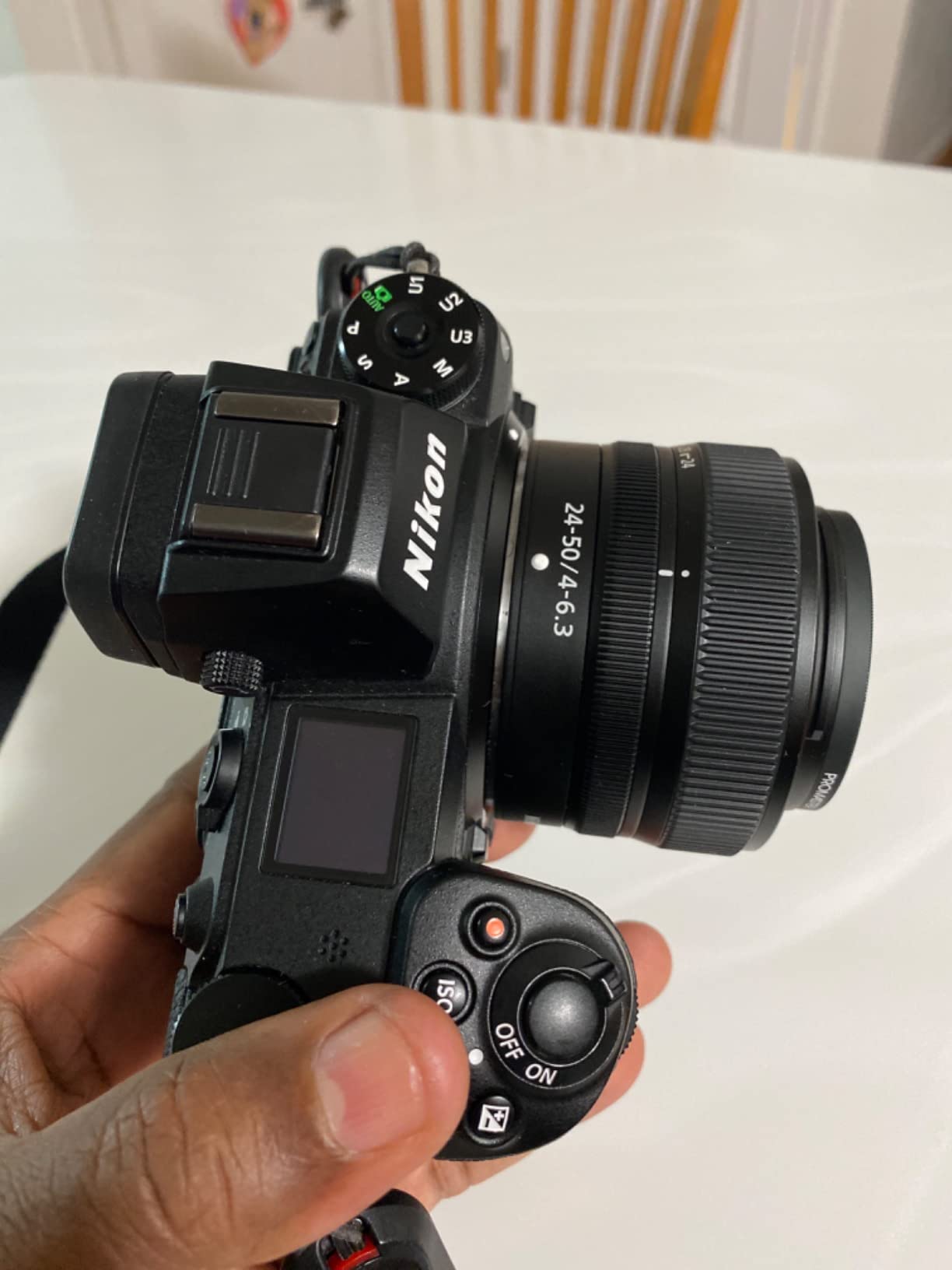
The compact mid-range zoom lens represents a particular compromise within that world. It’s not the fast prime lens that professionals carry, and it’s not the all-purpose superzoom that tourists prefer. It’s the lens that handles most situations without excelling at any of them, which makes it the most frequently mounted option for people who want to carry less gear but still want the option of not using their phone. That practicality matters for day hikes, family gatherings, weekend trips—occasions where a phone would suffice but a dedicated camera might capture something more intentional.
The iPhone solved the problem of always having a camera, but it created a new one: the assumption that good enough is always enough. Computational photography produces images that look immediately polished, with balanced exposure and enhanced dynamic range, often indistinguishable from what a mirrorless camera would produce in auto mode. But that automation removes the decision-making process. There’s no aperture to adjust, no shutter speed to consider, no manual focus to refine. The phone makes those choices on your behalf, which is efficient but also flattening. The photograph happens to you rather than through you.
People who kept using mirrorless cameras alongside their iPhones described a similar pattern: the phone handled documentation, the camera handled photography. Birthday parties, receipts, quick snapshots of text or products—those moments went to the iPhone. Landscapes, portraits with intentional depth of field, low-light scenes where noise control mattered—those went to the camera. The division wasn’t absolute, but it was consistent. The phone was for recording information. The camera was for creating images.
The friction came from carrying two devices. A phone fits in a pocket. A mirrorless camera with a lens requires a bag or a strap. That physical burden meant the camera got left behind more often than people intended, which reinforced the iPhone’s dominance. Over time, the occasions when someone bothered to bring the camera became more selective. Not every trip, just the ones where photography felt like part of the purpose rather than an afterthought.
The Z-mount mirrorless system, specific to one camera manufacturer, meant committing to a lens ecosystem that wouldn’t work with other brands. That lock-in felt increasingly odd in a world where the iPhone’s camera worked universally, with no proprietary attachments required. The dedicated camera demanded not just financial investment but ecosystem investment—a willingness to keep building a collection of lenses and accessories that only worked with one manufacturer’s bodies. The iPhone required none of that. It just worked, immediately, with every app and service designed around its imaging capabilities.
Previously listed at four hundred fifty dollars, current pricing for compact mid-range zoom lenses in mirrorless systems appears around two hundred fifty dollars, a cost that exceeds most iPhone storage upgrades but remains accessible for hobbyist photographers. The price reflects a shrinking but persistent market—people who understand that the iPhone handles ninety percent of their photographic needs but want a different tool for the other ten percent. The camera doesn’t replace the phone, and increasingly, the phone doesn’t need replacing. They coexist, serving different intentions, even as one clearly dominates daily use.
"Note: Readers like you help support The Apple Tech. We may receive a affiliate commission when you purchase products mentioned on our website."