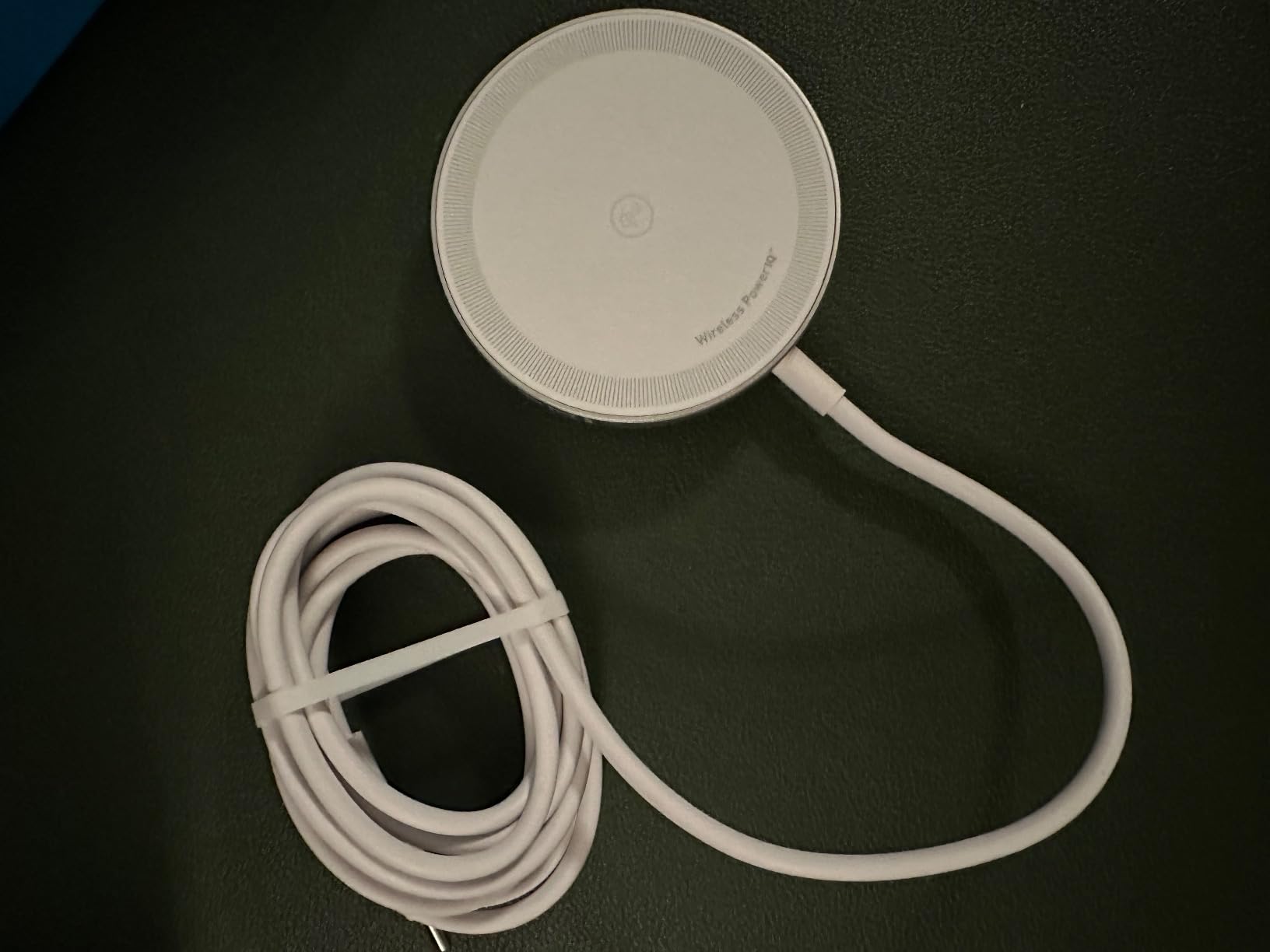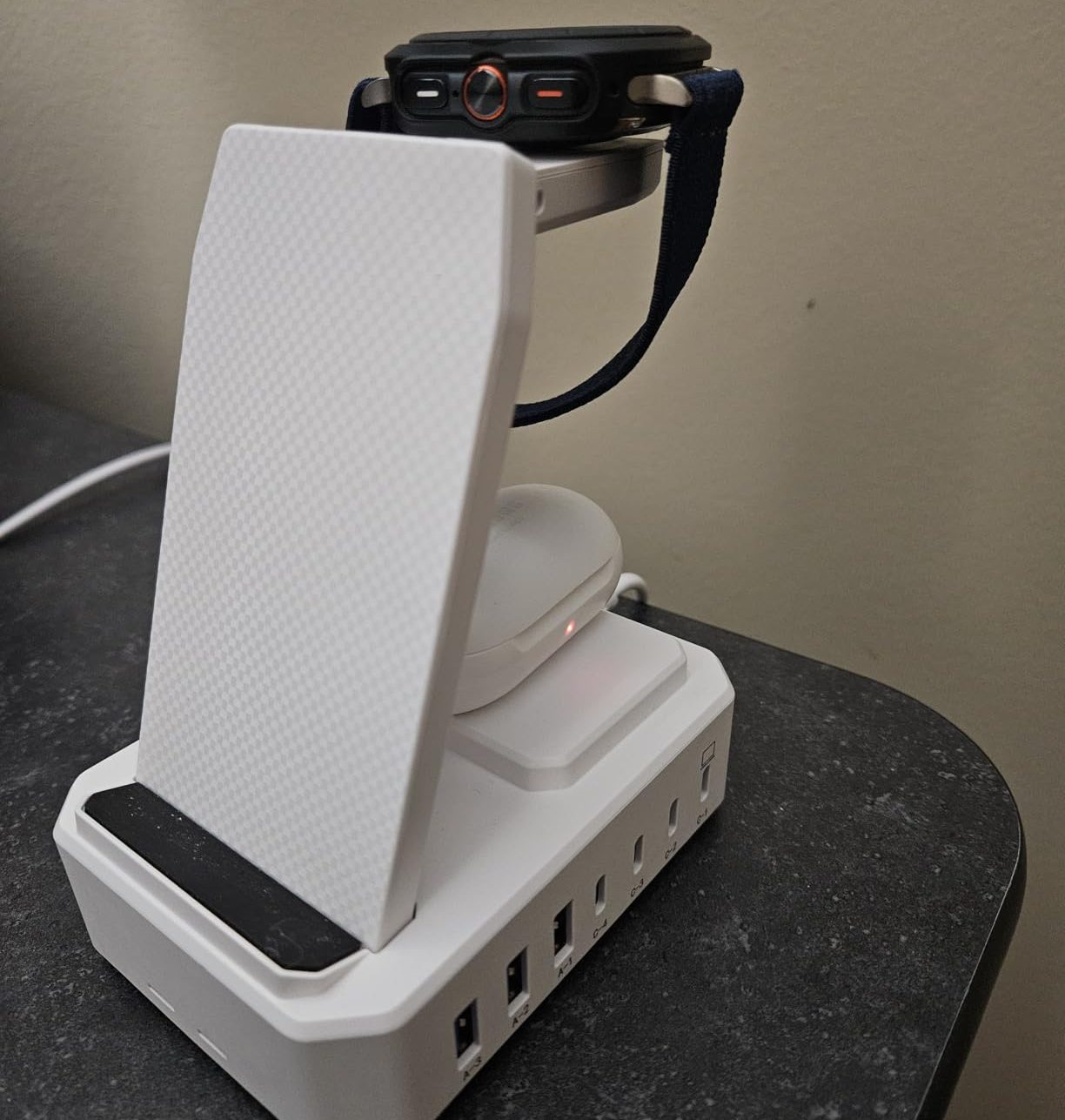
The charging station explicitly excluded Apple Watch, which marked a boundary in cross-platform compatibility. While many charging accessories try to serve both Apple and Samsung users, this one commits entirely to the Galaxy ecosystem—phones, Galaxy Watch, Galaxy Buds—leaving Apple Watch owners to charge separately.
This reflects a reality in device households: full ecosystem commitment requires specialized infrastructure. Samsung’s watches charge differently than Apple’s. Their fast charging protocols operate at different wattages. A charging station optimized for one ecosystem necessarily compromises on the other, and manufacturers have started choosing sides rather than attempting universal compatibility.

The ten-device capacity suggests family or shared living situations where multiple people use Samsung devices. Unlike Apple households where a three-in-one MagSafe stand might suffice for phone, watch, and earbuds, Samsung users often accumulate more simultaneous charging needs. Multiple family members with Galaxy phones, tablets used by children, backup devices that remain in rotation.
The 300W total output is revealing. It’s significantly higher than Apple-focused charging stations, which typically max out around 150W. Samsung’s fast charging protocols, especially for tablets and laptops, draw more power than Apple’s equivalents. Supporting ten devices at meaningful charging speeds requires this level of wattage, or some devices end up throttled to unusably slow rates.
But this creates a different kind of household infrastructure. A 300W charging station isn’t something you casually relocate. It becomes a permanent fixture, likely in a central location like a kitchen counter or home office. The devices migrate to it, rather than the charger moving to the devices.
What’s interesting is how this fragments the charging landscape. As ecosystems diverge in their power delivery standards and connector types, the notion of a universal charging solution becomes increasingly strained. You choose your ecosystem, and your infrastructure choices follow from that commitment.
Previously listed at $69.98, current listings hover around $41.79. The significant discount reflects the specialized nature of the product—it serves a specific subset of users rather than the broad market—and the competitive pressure in multi-device charging accessories.
"Note: Readers like you help support The Apple Tech. We may receive a affiliate commission when you purchase products mentioned on our website."