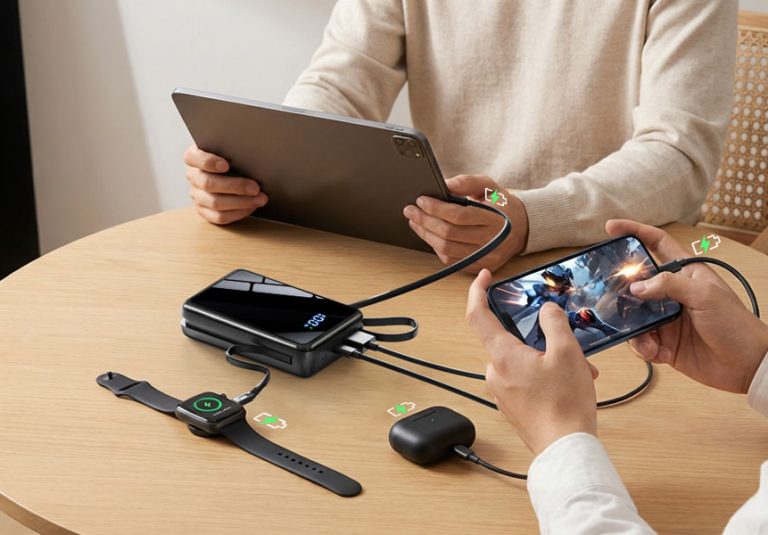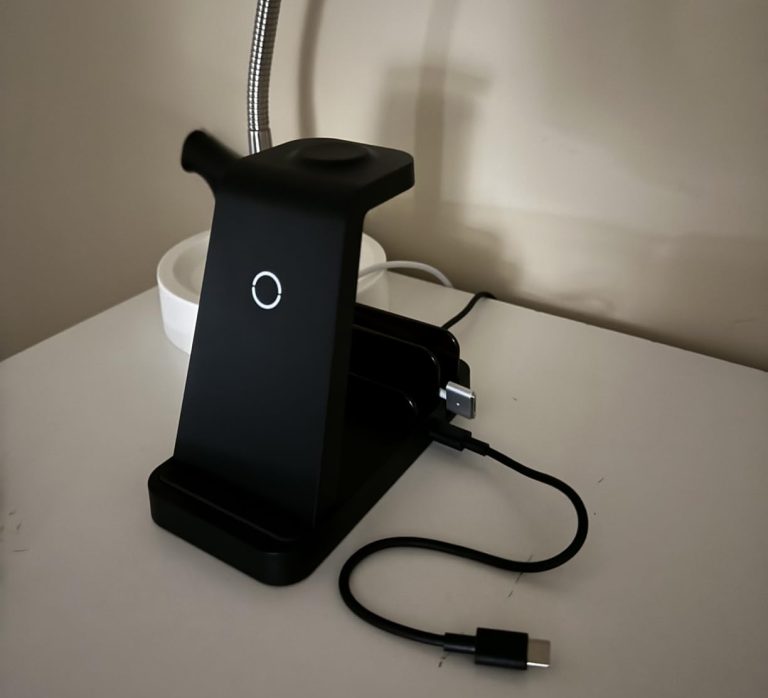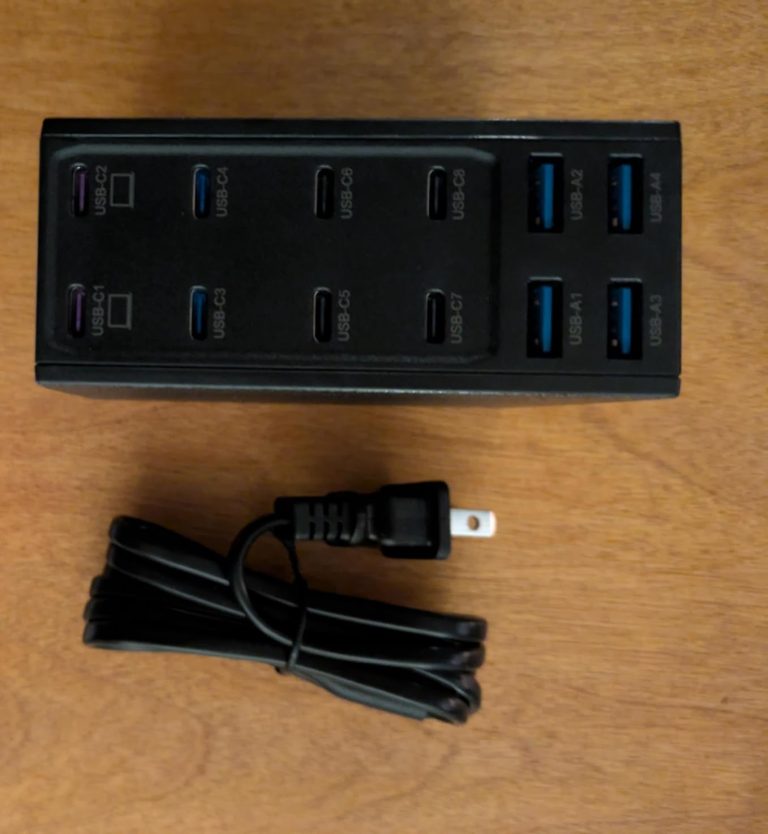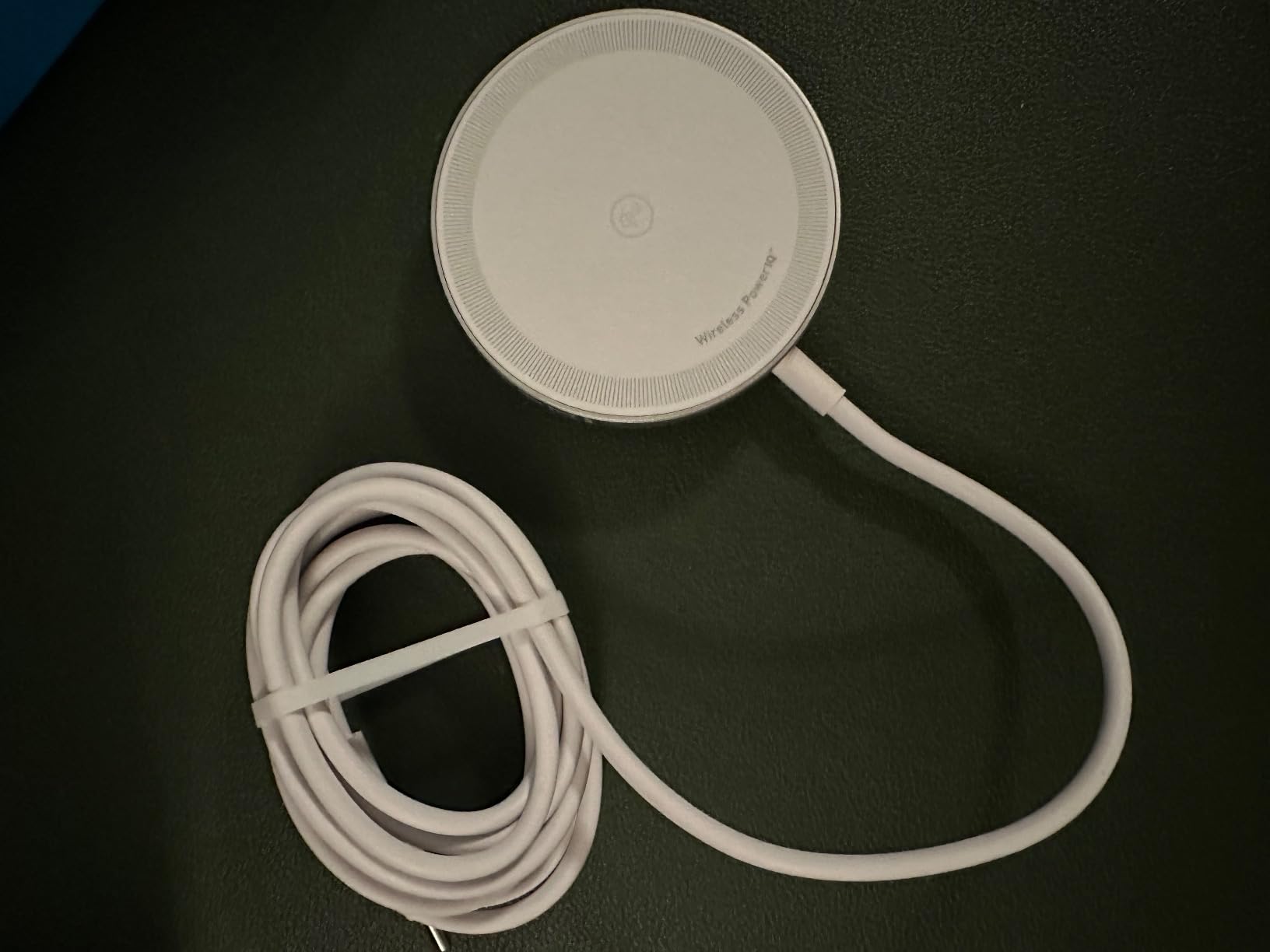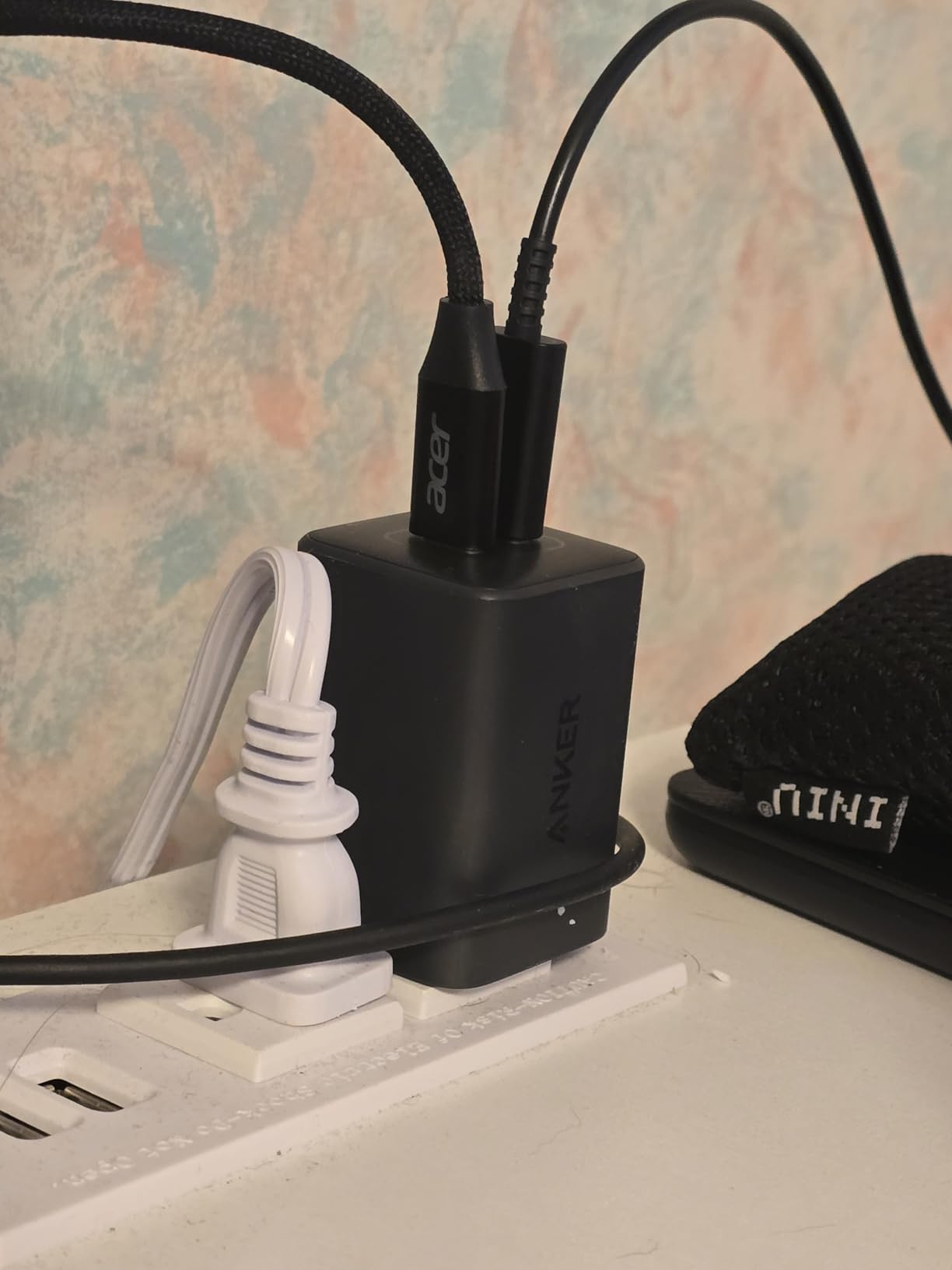
The second port eliminated the silent competition for outlet access that nobody talked about but everyone felt. In shared spaces—hotel rooms, airport lounges, kitchen counters—outlet availability creates micro-tensions. One person plugs in their iPhone, occupying the only convenient outlet. Someone else waits, or searches for an alternative, or asks if they can unplug when the first device is charged.
Dual-port chargers dissolve this friction by making the outlet shareable. Two devices charge simultaneously from a single wall socket, often at full speed for both if the total wattage stays below the charger’s maximum. The negotiation disappears. The outlet becomes collaborative infrastructure rather than contested resource.
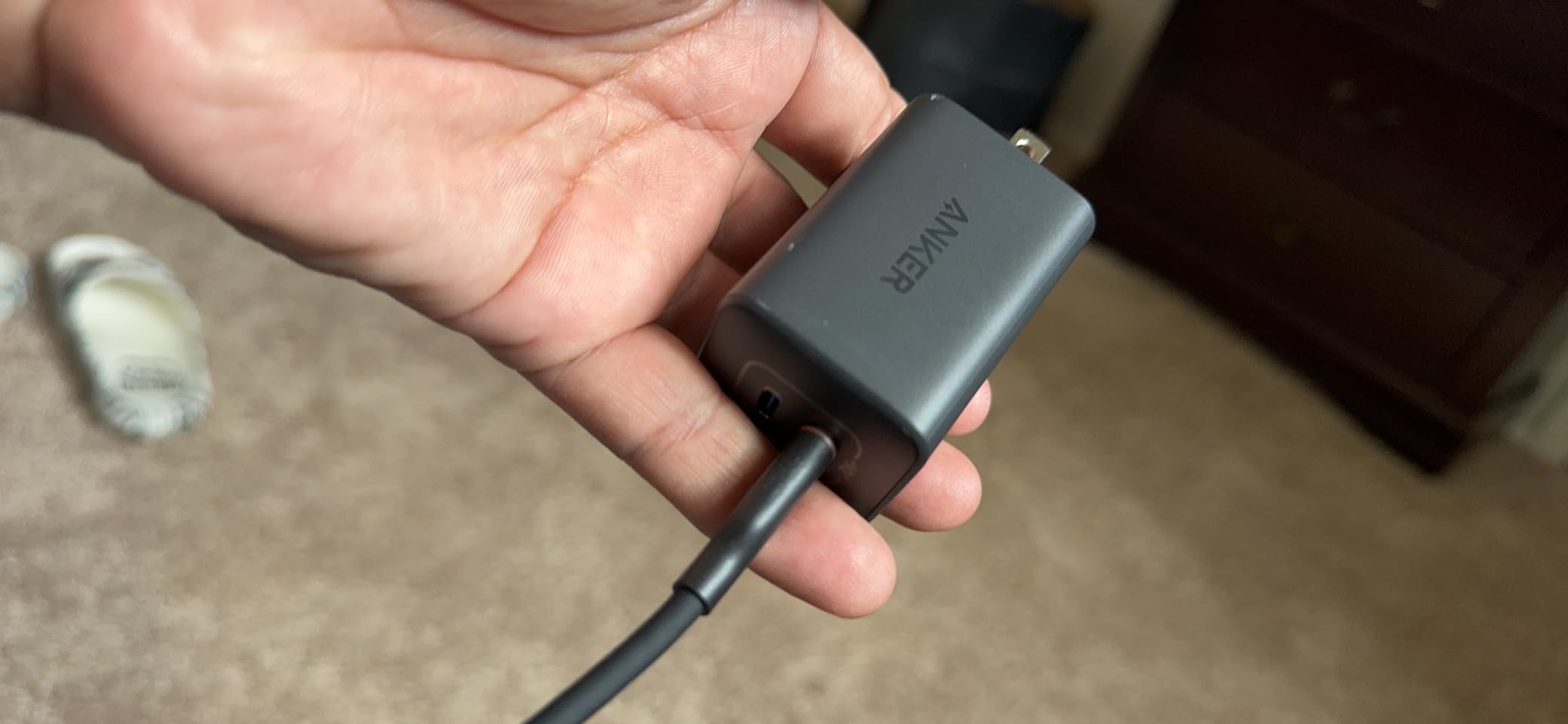
This matters most in temporary spaces. At home, people eventually establish charging territories—nightstands, desks, kitchen counters with dedicated outlets. But in hotels or while visiting family, outlet access is unpredictable. You might get the nightstand outlet, or you might not. Having a dual-port charger means you can offer to share without sacrificing your own device’s charging time.
The foldable prongs add a layer of practicality that’s easy to overlook until you’ve packed a few dozen times. Non-foldable chargers press against other items in bags, their prongs catching on fabric or scratching devices. Foldable prongs collapse flush with the body, turning the charger into a smooth rectangle that slides into any pocket or pouch without snagging.
GaN technology is what makes this possible without bulk. Traditional silicon-based chargers at 47W would be significantly larger and heavier. Gallium nitride runs cooler and packs more power into less space, which means a dual-port fast charger can be roughly the size of Apple’s old 20W single-port brick.
What’s revealing is how quickly dual-port has become the expected baseline rather than a premium feature. Users now find single-port chargers limiting, even if they’re only charging one device at the moment. The second port represents optionality, the ability to handle a second device or share with someone else without thinking twice.
Previously listed at $29.99, current listings hover around $19.49. The pricing suggests dual-port GaN chargers have moved from specialty item to commodity, with competition driving costs down to the point where there’s little reason to choose single-port alternatives.
"Note: Readers like you help support The Apple Tech. We may receive a affiliate commission when you purchase products mentioned on our website."