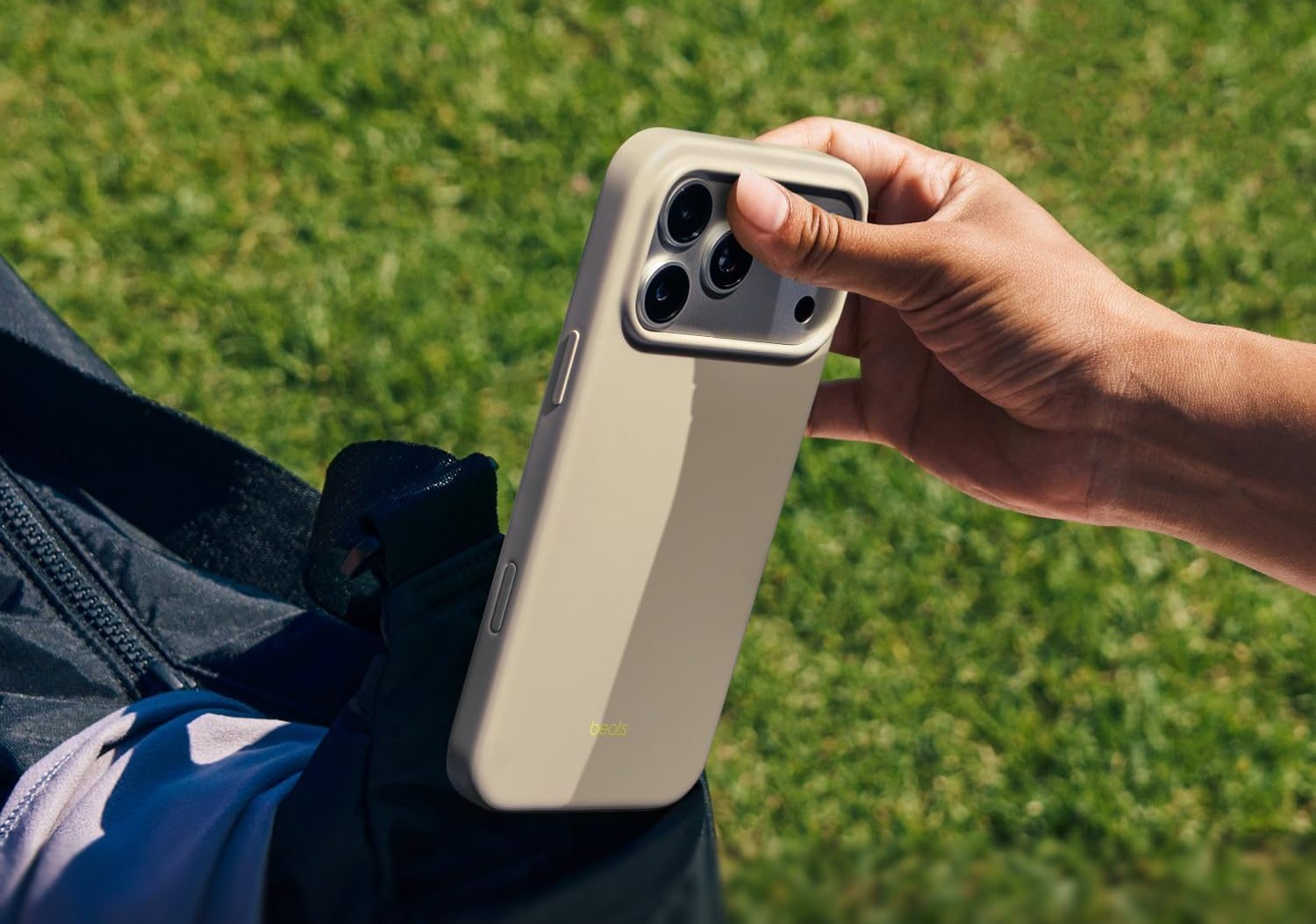
The iPhone slips out of your hand in a way it didn’t five years ago. Not dramatically—just enough that you adjust your grip three times during a walk, or catch it against your thigh before it hits the pavement. The device has gotten lighter, thinner, more refined. It’s also gotten harder to hold.
Cases used to be about drop protection, full stop. You bought one to survive the fall, not to improve the experience of not falling. But as iPhones shed weight and adopted more glass, the calculus shifted. The case became less about catastrophe prevention and more about making the phone feel like something you could actually grip for eight hours a day without your hand cramping.
Matte finishes started appearing more frequently. Not the glossy, fingerprint-magnet plastic that dominated early iPhone cases, but something closer to soft-touch rubber or textile. The goal wasn’t aesthetic—it was tactile. A surface that didn’t slide against your palm when you were typing one-handed on the subway, or trying to take a photo while walking.
MagSafe introduced a new variable. The magnets let accessories snap on without fumbling with alignment, but they also added bulk to cases that had spent a decade getting thinner. The tradeoff became explicit: you could have a slim case that barely protected anything, or a MagSafe-compatible case that worked with chargers and wallets but made the phone noticeably thicker. Most people chose thickness, which suggests the accessories won the argument.
The Camera Control button on recent iPhones created another friction point. Cases that covered it rendered it useless. Cases that left it exposed had to be precisely cut, and even then, the button’s capacitive touch didn’t always register through certain materials. The case isn’t just protecting the phone anymore—it’s compensating for how slippery glass and aluminum have become in pursuit of thinner devices.
Color choices have become quieter. The bright, expressive cases that dominated the iPhone 5 era have mostly disappeared in favor of neutrals—blacks, grays, off-whites, muted greens. Part of this is maturity in the market, but part of it is that people are keeping their phones longer. A neon yellow case feels like a commitment when you’re planning to use the phone for four years instead of two.
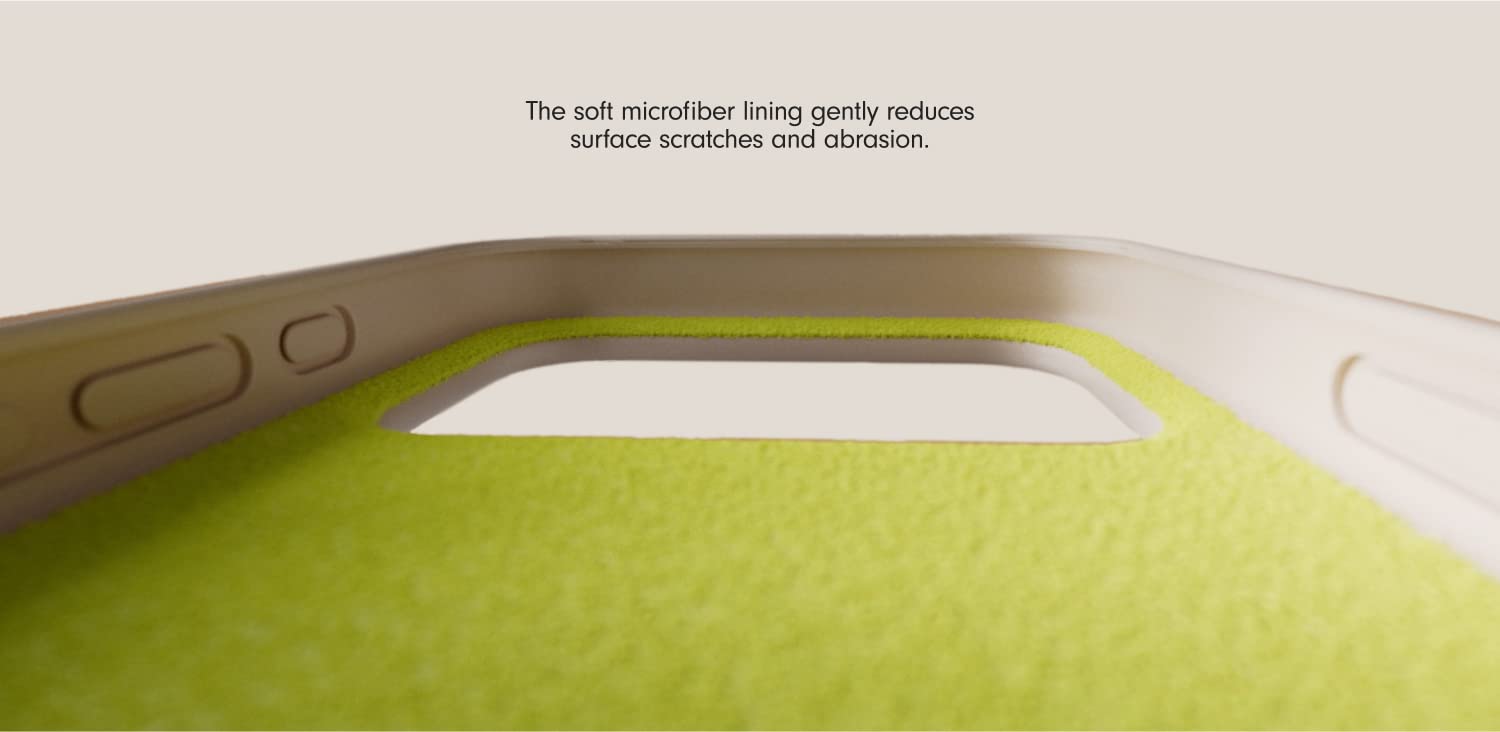
Microfiber linings, once a luxury feature, have become standard in mid-tier cases. They prevent the tiny scratches that accumulate from pocket grit or keys, but they also make the case feel more expensive than it is. The interior texture has started to matter as much as the exterior grip. Previously listed at $45, current listings hover around $12.59 for cases that balance MagSafe compatibility with everyday usability. The shift isn’t about protection anymore—it’s about making the iPhone feel like something you want to hold all day, not something you’re afraid to drop.
"Note: Readers like you help support The Apple Tech. We may receive a affiliate commission when you purchase products mentioned on our website."