
The friction point isn’t audio fidelity anymore—it’s whether your earbuds will last through a full day without forcing you to choose between charging your phone or charging what you’re listening through.
You leave the house with your iPhone at 87 percent and your wireless earbuds fully charged. By lunch, the phone is at 64 percent. The earbuds are fine. By mid-afternoon, the phone hits 40 percent, and you start rationing notifications. The earbuds are still fine. This imbalance has become one of the defining tensions of the Apple ecosystem—the accessories often outlast the devices they’re tethered to.
Wireless earbuds introduced a new variable into daily charging routines: the case. AirPods popularized the format, but the ecosystem has expanded well beyond Apple’s own hardware. The case isn’t just storage—it’s a portable charging station, expected to recharge the buds multiple times before needing its own top-up. The better the case battery, the less often you’re thinking about it, which is the entire point.
But that independence creates scheduling conflicts. You plug in your iPhone every night because it can’t make it through a full day. The Apple Watch goes on the charger because it needs to. The iPad, maybe every few days. The earbuds? They’re supposed to last longer than that, but if you forget to charge the case for a week, you’re suddenly mid-commute with dead buds and no backup. The case becomes a secondary battery you’re managing alongside the phone, the watch, and the iPad, all competing for the same charging window at night.
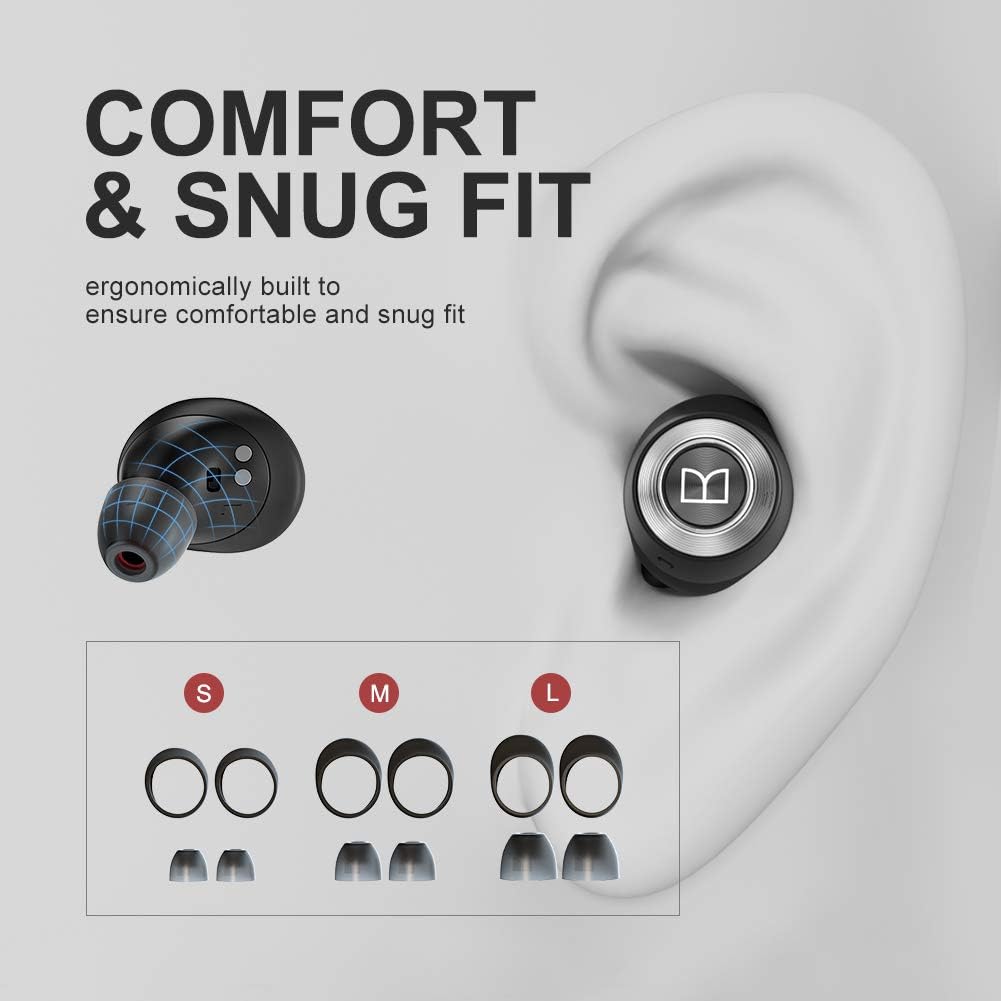
USB-C has started to unify this, but it also means that the same cable charging your iPhone is the cable you need for the earbud case. If you’re traveling and you only packed one cable, something doesn’t get charged. If you’re at your desk and the cable is already occupied by the phone, the earbuds wait. The universal standard was supposed to simplify things, but it mostly just made everything compete more directly.
Fast charging for earbud cases has become quietly essential. Not because people need the buds recharged in ten minutes, but because they need to recover from forgetting to charge them overnight. Five minutes in the case should yield another hour of listening. Fifteen minutes should get you through the rest of the day. This wasn’t a concern when wired earbuds drew power directly from the phone, but wireless means both devices are independently depleting and independently recharging on different schedules.
Water resistance matters more in practice than in theory. The earbuds go to the gym, get caught in the rain, sit in a pocket with keys and loose change. They’re not precious objects stored carefully between uses—they’re utilitarian accessories that get subjected to the same environmental chaos as everything else you carry. If they can’t survive a little sweat or an unexpected downpour, they become something you worry about instead of something you just use.
The Bluetooth connection to the iPhone remains the baseline expectation, but the real differentiation has moved to battery and durability. Sound quality has largely plateaued for casual listening—most people can’t tell the difference between decent wireless buds and great ones while walking on a busy street. What they notice is when the battery dies mid-podcast, or when the case takes three hours to recharge. Previously listed at $130, current listings hover around $30 for models that prioritize endurance over audiophile features. The shift reflects a broader truth: wireless earbuds have become infrastructure, not indulgence, and infrastructure is only good when you’re not thinking about it.
"Note: Readers like you help support The Apple Tech. We may receive a affiliate commission when you purchase products mentioned on our website."