As iPhones and MacBooks become essential infrastructure for work and communication, the question of how to keep them running in places without reliable power has shifted from camping concern to daily consideration.
The power goes out. Not for long—maybe an hour, maybe less. But in that hour, the MacBook battery drops from 67 percent to 34 percent. The iPhone is at 52 percent and falling. The iPad is charging, except it isn’t anymore because the outlet is dead. You’re suddenly doing mental math about how long each device will last and which one you’ll sacrifice first if this stretches into the evening.
This scenario used to be an edge case. Power outages were rare, or brief, or happened at times when losing connectivity didn’t matter much. But as work has decentralized—away from offices with backup generators, into homes and remote locations—the tolerance for downtime has evaporated. A dead iPhone isn’t just an inconvenience; it’s a missed meeting, a delayed project, a broken communication chain.
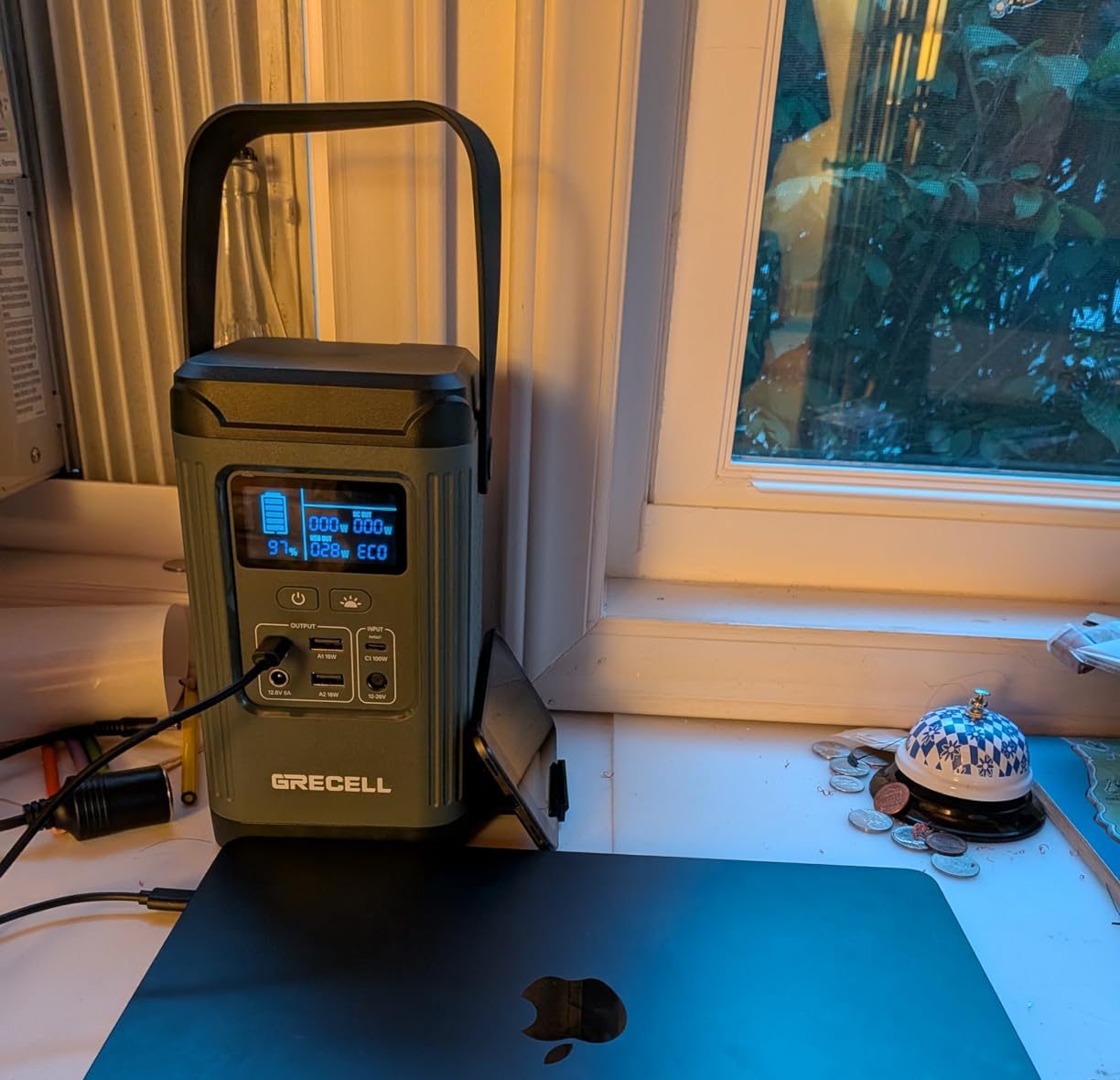
Portable power stations have emerged as a response to this fragility. They’re not generators—they don’t produce power, they store it. You charge them from the wall when the grid is working, and they hold that charge for weeks or months until you need it. When the power goes out, or when you’re working somewhere without outlets, the station becomes a temporary grid. The MacBook plugs in. The iPhone plugs in. Everything continues, at least for a while.
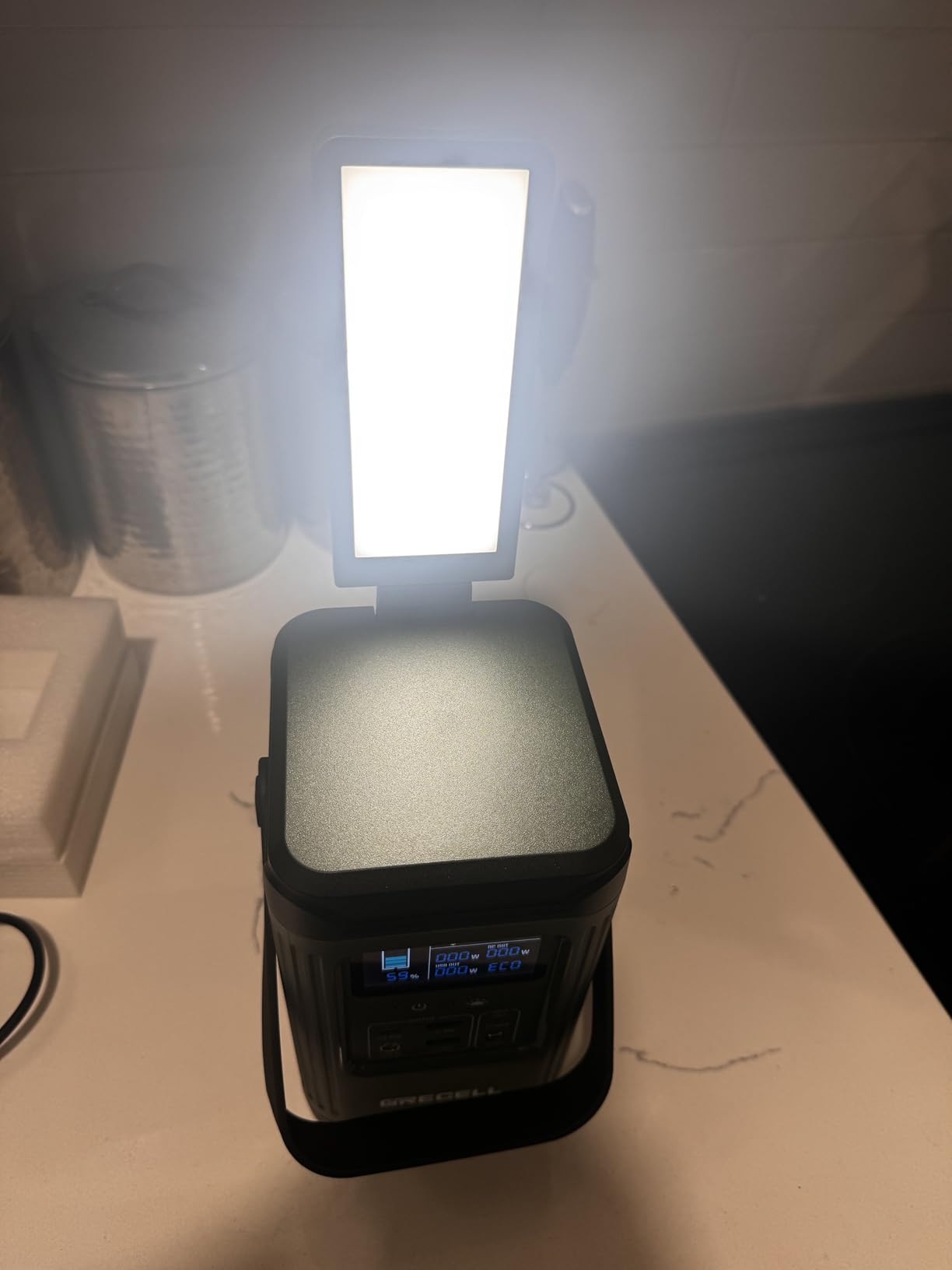
The capacity determines how long that “while” lasts. A 154-watt-hour station can charge an iPhone seven or eight times, or a MacBook once with some energy to spare, or run a small desk lamp and a Wi-Fi router for several hours. The math depends on what you’re powering, but the principle is consistent: you’re buying time. Time to finish the work. Time to wait out the outage. Time to get somewhere with real power.
USB-C output has become essential. The station needs to speak the same language as the devices it’s powering, and for Apple’s ecosystem, that language is now USB-C. Some stations also support bidirectional charging, which means the USB-C port can both deliver power to devices and accept power from a wall adapter or solar panel to recharge the station itself. This flexibility makes the station more versatile—it’s not just a battery, it’s a power hub that adapts to whatever energy source is available.
The iPhone’s battery life has improved incrementally over the years, but the usage has intensified faster than the efficiency gains. More video calls. More background processes. More apps refreshing constantly. The result is that most iPhones still don’t reliably last a full day under heavy use, and the MacBook fares only slightly better. A portable power station doesn’t fix the underlying consumption problem, but it buys insurance against the consequences.
There’s also a preparedness aspect that has become more culturally relevant. The battery isn’t backup power anymore—it’s a buffer against the realization that everything we depend on stops working the moment the grid does. Previously listed at $110, current listings hover around $60 for mid-capacity stations that prioritize portability and USB-C compatibility. The appeal extends beyond camping trips or emergency kits—it’s about maintaining continuity in an ecosystem that assumes power is always available, even when it isn’t.
"Note: Readers like you help support The Apple Tech. We may receive a affiliate commission when you purchase products mentioned on our website."